A home alarm system can reduce your home insurance premium, and a monitored one can bring a police response. As a deterrent on its own it is weaker than it sounds. Research using Crime Survey for England and Wales data found that the strongest protection came from window locks, door deadlocks and lights, and that adding a burglar alarm to locks and external lights made that combination less effective in every year after 2000.1 The market ranges from a £50 wireless DIY kit to a £3,000 professionally installed, centrally monitored system, and choosing the wrong type can mean spending money on protection that either does not work or is not recognised by your insurer.
The Four Main Types
Bells-Only (Audible Only)
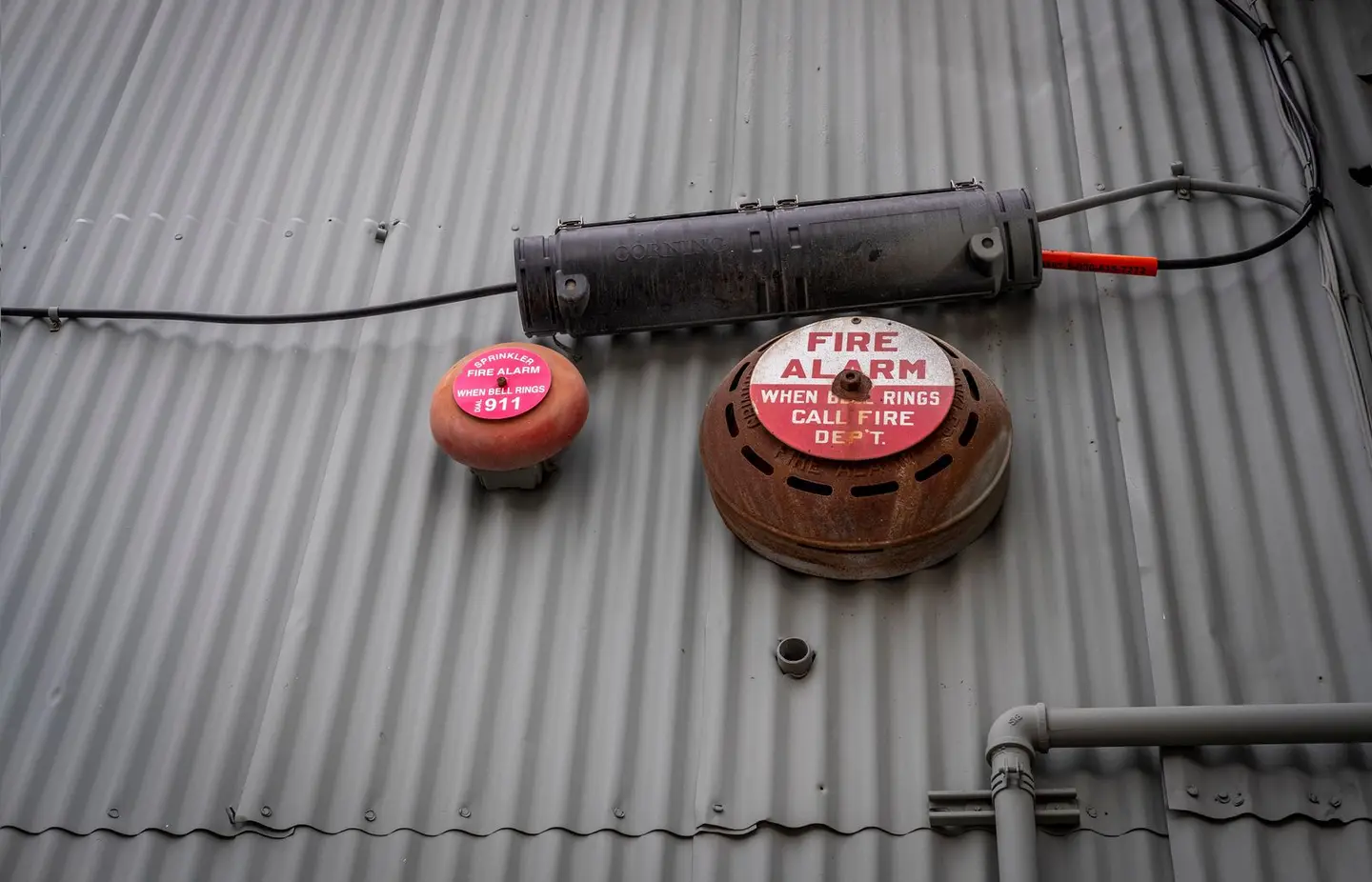
A common type in UK homes. When triggered, it sounds a siren on the exterior bell box, which should cut out within 20 minutes.2 No signal is sent anywhere, the noise is the deterrent. Depends entirely on neighbours or passersby responding. Its deterrent value is weaker than often assumed (see above), and it is less effective at night when neighbours may not hear or react.
Monitored (Professionally Monitored)
When triggered, the alarm dials out to an Alarm Receiving Centre (ARC) staffed 24/7. The ARC contacts your keyholders and, if they cannot be reached or confirm an intruder, alerts the police. To receive a police response, the system’s installation, maintenance and monitoring must be certified by a UKAS-accredited certification body, such as NSI or SSAIB, and it must be monitored by a recognised alarm receiving centre.3 Police forces then issue it a URN (Unique Reference Number), which is a registration rather than a grade.3 With a URN it gets an immediate police response until it has three false calls in a rolling 12 months, after which police response is withdrawn.3
Smart / App-Based
Systems such as Ring Alarm, Ajax, or Yale Smart Home connect to your home Wi-Fi and push notifications to your smartphone when triggered. Many sell optional subscriptions: Yale, for example, charges £5 a month for its Alarm Plan with cellular backup.4 Professional monitoring costs more: Yale’s 24/7 monitoring by a manned security service is £29 a month.4 Convenient and increasingly capable, but alerts depend on Wi-Fi or a mobile signal, so check what battery and SIM backup the hub has. Not all smart alarm systems are NSI/SSAIB-approved and may not qualify for insurance discounts.
DIY Wireless
Budget kits (£50–£300) from brands sold at Screwfix, B&Q and online retailers. Magnetic contacts, PIRs and a hub. Suitable for low-risk properties or as a supplementary deterrent. They rarely qualify for insurer discounts. Without a police URN they are treated as Type B systems, which do not receive a police response without additional evidence of an offence in progress.3 Useful for peace of mind; not equivalent to a professional installation.
Cost Breakdown (2026)
| System Type | Supply & Install | Ongoing Cost |
|---|---|---|
| Bells-only (4–6 zones) | £300–£700 | Maintenance contract: £80–£150/yr (optional) |
| Monitored (NSI/SSAIB Grade 2) | £600–£1,500 | Monitoring: £15–£40/month; maintenance: £120–£200/yr |
| Smart alarm (DIY, mid-range) | £150–£400 (DIY) | Optional plans: £5–£29/month |
| Smart alarm (professional install) | £400–£900 | Monitoring: £10–£25/month |
| CCTV + alarm combined package | £1,200–£3,000 | Monitoring (if any): £20–£50/month |
Higher prices reflect larger homes (5+ bedrooms), additional detection zones, access control integration or rural locations requiring specialist installers.
Key Components
A standard system includes:
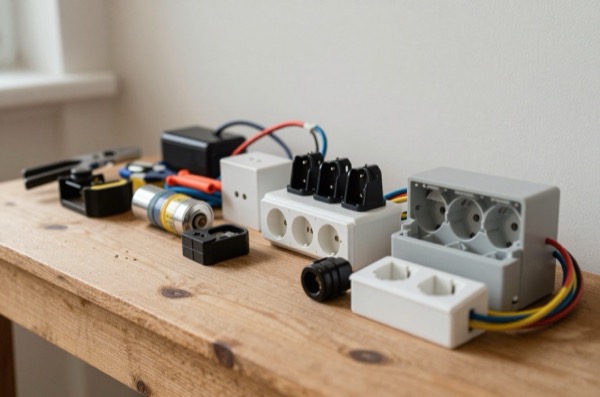
- Control panel, the brain, usually housed in a metal enclosure in a cupboard
- Keypad(s), for arming/disarming; LED or LCD; typically one at front door and one at back
- PIR detectors, passive infrared motion detectors; one per room typically; wall-mounted, usually at about 2–2.5 m to the maker’s instructions
- Door/window contacts, magnetic sensors that trigger if an opening is forced
- Bell box, external siren with flashing strobe; normally tamper-protected, with its own backup battery so it keeps sounding if the wiring is cut
- Communicator, for monitored systems; dials the ARC via telephone or mobile SIM
Optional extras: CCTV integration, smart locks, glass-break detectors, panic buttons, CO/flood sensors.
NSI and SSAIB: Why Certification Matters
For insurance purposes and police response, the installation must be carried out by a company certified by either the National Security Inspectorate (NSI) or the Security Systems and Alarms Inspection Board (SSAIB). Both are UKAS-accredited certification bodies that audit the companies they approve against the relevant British and European standards.3 Police require security systems to meet PD 6662, the scheme for applying the European standards for intruder and hold-up alarms, of which BS EN 50131 is the main series.3
Some insurers offer a discount on home insurance for an NSI or SSAIB-approved system, and some require one for higher-value homes. Verify with your insurer before paying for an installation, as some require the system to meet a specific grade.
Police advise the public to go to the UKAS-accredited inspectorate bodies directly for installers, so search the NSI and SSAIB websites for approved companies.3 The police initiative Secured by Design is useful for choosing accredited security products.5
False Alarms
False alarms are a significant practical issue, and insects, pets, draughts, steam and user error are common triggers. After three false calls in a rolling 12 months police response is withdrawn, and if it has not been restored within six months the URN is deleted.3 The police service has adopted confirmed alarm technology to cut false calls, so monitored systems use a confirmation step (two detectors triggering in sequence, or audio or video verification) before a police response is requested.3
Practical steps to reduce false alarms:
- Install pet-immune PIR detectors (check the pet weight rating against your animals) if you have animals
- Set the entry/exit delay correctly, allow enough time to disarm without rushing
- Service the system annually; faulty detectors are a common cause of random triggers
What to Ask Before Buying
- Is the installer certified by a UKAS-accredited body such as NSI or SSAIB?
- Does the system meet PD 6662 and BS EN 50131, and at what grade?
- What is the total cost including installation, commissioning and first year’s monitoring/maintenance?
- What happens if the broadband or phone line goes down, does the system have mobile SIM backup?
- Who owns the equipment, can I switch monitoring companies without buying new hardware?
Avoid any installer who cannot answer these questions clearly. A reputable security company will provide a written specification and a commissioning certificate on completion.
References (5)
Figures in this note were checked against the sources below on 30 September 2026. Superscript numbers in the text point to them. Every source the site cites, by topic.
- 1technicalfairTseloni, Farrell, Thompson, Evans and Tilley, Crime Science, guidance.RN-M9XWGPPeer-reviewed analysis (Crime Science, 2017) of Crime Survey for England and Wales data on which household security devices protect against burglary. Combinations of window locks, door deadlocks and internal and external lights gave by far the most protection, around 49 times that of no security; adding a burglar alarm to locks and external lights reduced the combination's protection in every year after 2000.
- 2technicalstrong locallyLewisham Council, guidance.RN-LNPMU4A council environmental health page on alarm noise. It states that house alarms should cut out within 20 minutes and not restart unless faulty.
- 3technicalstrongNational Police Chiefs' Council, guidance.RN-29Q74HThe NPCC document that decides whether a monitored alarm gets a police response, adopted by forces in England, Wales and Northern Ireland. To be compliant a security system must comply with a recognised public domain standard or code of practice covering manufacture, installation, maintenance and operation, and the installing, maintaining and monitoring companies must be certified by a UKAS accredited certification body. Type A remote signalling systems must be monitored by an Alarm Receiving Centre, Remote Video Response Centre or System Operating Centre complying with BS 5979 (Cat II) or BS EN 50518 and BS 8591, and a Unique Reference Number is issued by the police force only to systems monitored by such a centre. Consumer protections in the 2018 revision matter for a cost note: monitoring and maintenance contracts shall not exceed three years and payments in advance shall not exceed one year, companies must not misrepresent the cost of a URN to clients, a customer must be informed if a URN is cancelled for non-payment of the administration fee, and call back confirmation is available to domestic and residential premises only, having been withdrawn for commercial premises. False activation management and keyholding and response are covered by their own British Standards, and the document sets out URN withdrawal for repeated false alarms.
- 4costsupplier figureYale.RN-0ZBP58A price, true at 2026-09. Yale's UK page listing its smart alarm and camera subscription plans and monthly prices: the Alarm Plan with cellular backup at £5 a month and the Secure Pro plan with manned 24/7 monitoring at £29 a month.
- 5technicalstrongPolice Crime Prevention Initiatives, guidance.RN-T29MP6Home page of Secured by Design, the official police security initiative, which runs the Police Preferred Specification and helps consumers find accredited security products.
-
Domestic burglary drop and the security hypothesis, Tseloni, Farrell, Thompson, Evans and Tilley, Crime Science, accessed 29 September 2026. pmc.ncbi.nlm.nih.gov
-
Noise from burglar alarms and car alarms, Lewisham Council, accessed 30 September 2026. lewisham.gov.uk
-
Police Requirements and Response to Security Systems, National Police Chiefs’ Council, accessed 29 September 2026. npcc.police.uk
-
Yale Home app Subscription Service, Yale, accessed 30 September 2026. Priced at 2026-09 and left there. yalehome.co.uk
-
Secured by Design, Police Crime Prevention Initiatives, accessed 30 September 2026. securedbydesign.com