The construction industry long ago decided court was too slow for building rows, and built its own process: adjudication. A specialist reads both sides’ cases and rules within 28 days, the decision binds immediately, and the job (or the final account) moves on. Homeowners can use it too, with one important catch about where the right comes from.
The catch first: where your right comes from
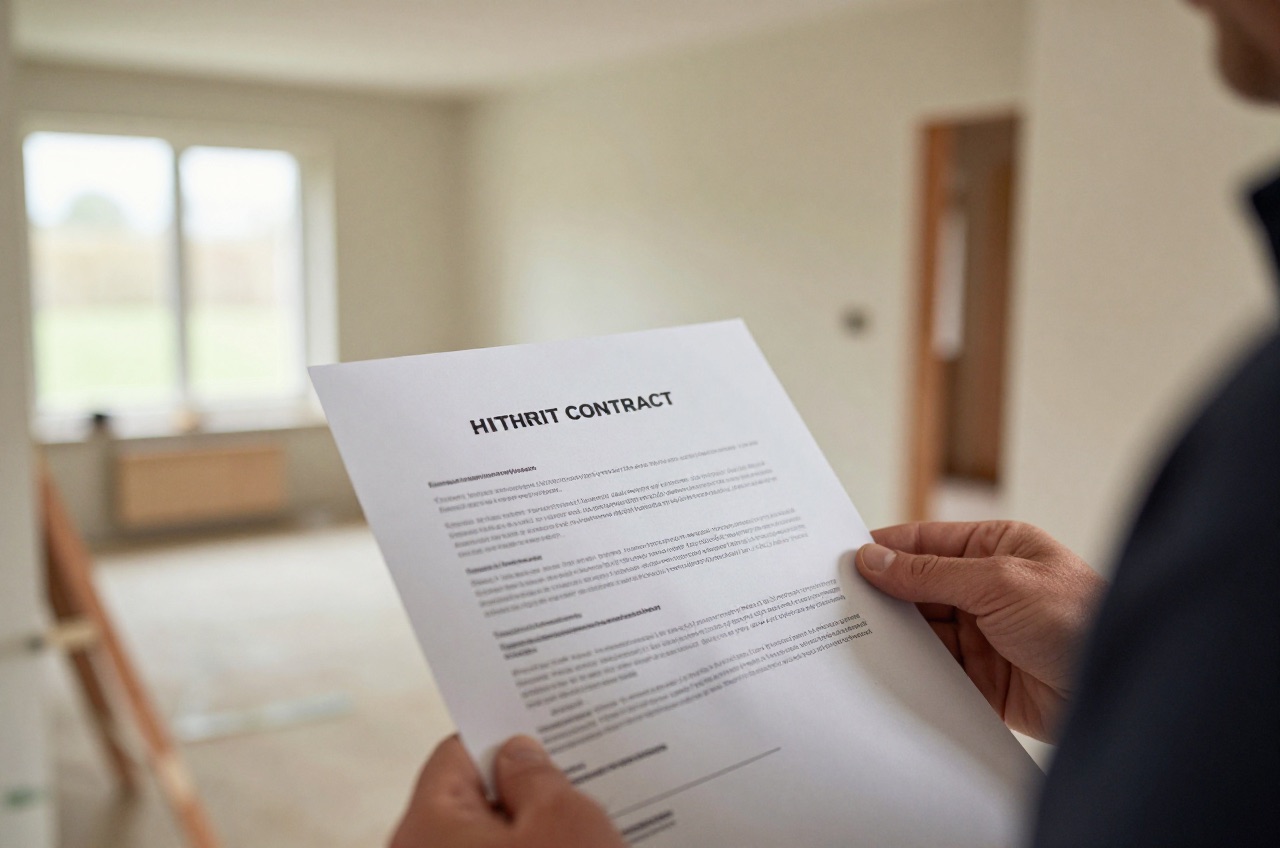
For commercial construction, adjudication is a statutory right under the Construction Act 1996. Contracts with a residential occupier, a homeowner commissioning work on the home they live in or will live in, are excluded from the statutory scheme. That exclusion sounds bad, but in practice most homeowners have the right anyway, contractually: the JCT Home Owner and Minor Works forms, and most architect-drafted contracts, include an adjudication clause. Signed one of those? You can adjudicate. Signed a bare quote with no adjudication clause? You can’t force it, mediation and court are your routes, and it’s one more argument for using a proper contract form.
How the 28 days run
- Notice of adjudication, you serve a short notice defining the dispute.
- Appointment, within days, an adjudicator (usually a construction surveyor, engineer or lawyer) is appointed, typically nominated by the body named in the contract, most often RICS.
- Referral, within 7 days of the notice you submit your full case: contract, chronology, evidence, quotes, the decision you want.
- Response, the builder answers, usually within 7–14 days; the adjudicator may ask questions or, rarely, visit site.
- Decision, within 28 days of the referral (extendable slightly by agreement). It binds both parties immediately.
“Binding” here means temporarily binding: the decision must be complied with now, but either party can reopen the underlying dispute in court later. Almost nobody does, well over 90% of adjudication decisions are simply lived with, and courts enforce them robustly in the meantime.
What it costs
The adjudicator charges by the hour, commonly £200–£350/hr, and domestic-scale disputes typically consume £2,000–£5,000 of adjudicator time, usually awarded against the loser or split. Add your own preparation: representing yourself is permitted and workable for straightforward money/defects disputes; a construction solicitor or claims consultant for a day or two of drafting helps on complex ones. Realistic all-in range for a homeowner: £2,000–£7,000, which is why adjudication suits disputes in the tens of thousands, not the hundreds.
Adjudication vs the alternatives
| Mediation | Adjudication | Court (small claims) | |
|---|---|---|---|
| Speed | ~1 month | ~6 weeks | 6–12 months |
| Cost per side | £500–£1,500 | £2,000–£7,000 | £35–£455 fees + time |
| Outcome | Agreed deal (or nothing) | Imposed decision | Imposed judgment |
| Best for | Both sides have a point | Technical disputes, larger sums | Sums under £10k |
| Needs builder’s consent? | Yes | No (if contract provides) | No |
The decision rule of thumb: under £10,000, small claims is hard to beat on cost; £10,000–£100,000 with a technical core and an adjudication clause, adjudication is the industry’s answer for a reason; and at any size, a genuine mediation offer first is cheap and looks good later.
Using it well
Adjudication is a documents contest under brutal time pressure, the referring party arrives with months of preparation, the responder gets a fortnight. That asymmetry favours you if you prepare before serving notice: tight chronology, the contract paperwork in order, photographs, an independent expert view on the defects, and remedial quotes anchoring the number. Serve when your file is ready, not when your patience runs out.
This guide is general information for homeowners in England and Wales, not legal advice.