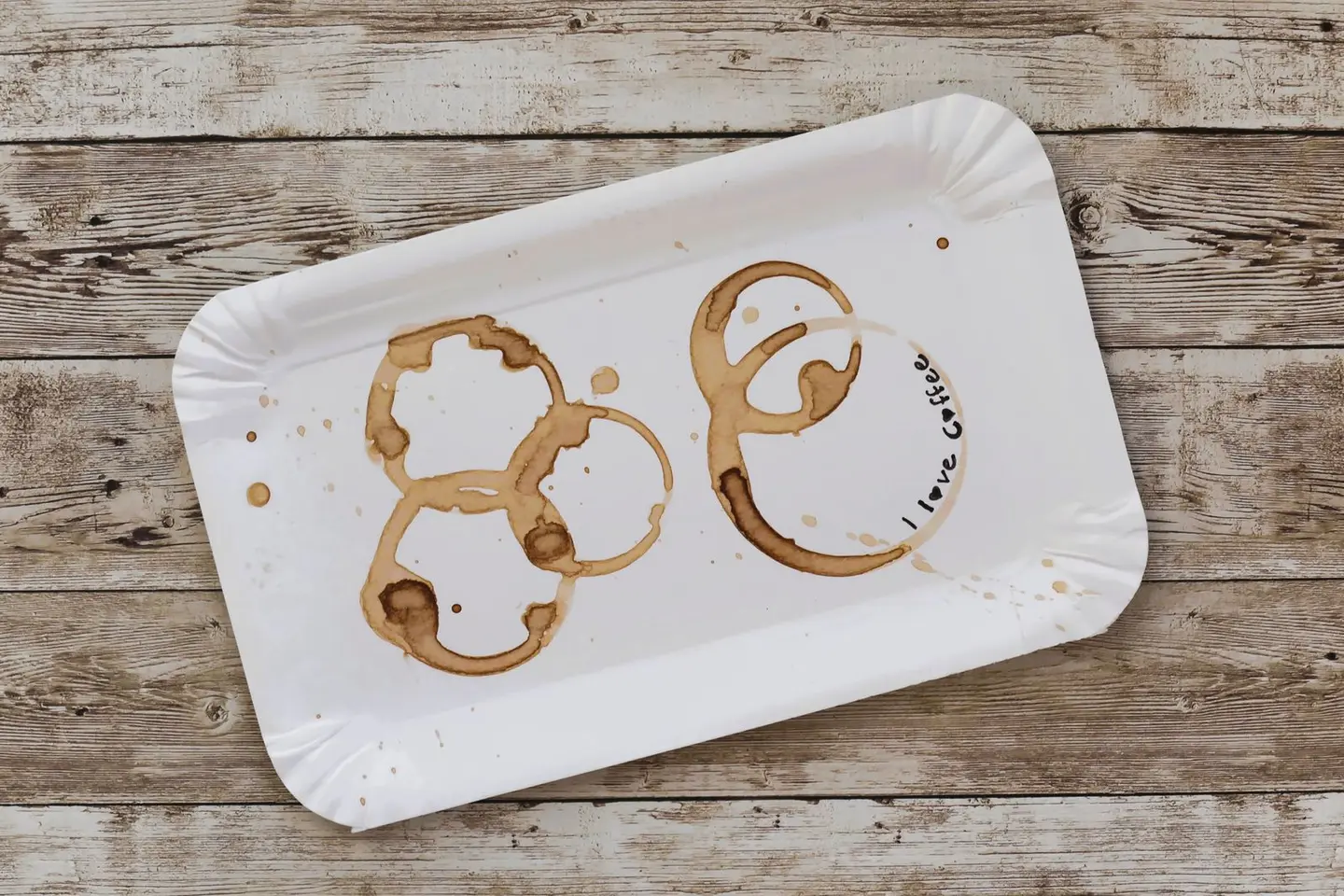
Coffee is one of the most common carpet stains in UK homes, and one of the most treatable, provided you move quickly. The tannins and dyes in coffee bind to carpet fibres over time, so the first 60 seconds after a spill are the most valuable. Even dried stains, however, can usually be significantly improved or fully removed with the right technique.
What You Need
All the effective methods rely on items already in most kitchens:
- Clean white cloths or paper towels (no coloured cloths, dye transfer is a real risk)
- Cold water (not hot, heat sets the stain)
- Washing-up liquid (clear or pale-coloured)
- White wine vinegar or distilled white vinegar
- Bicarbonate of soda (for set stains and odour)
- A spray bottle (handy but not essential)
- A soft-bristled brush or old toothbrush (for working into the pile gently)
Commercial carpet stain removers such as Vanish Oxi Action or Dr. Beckmann Carpet Stain Remover are effective alternatives if you have them to hand, but the DIY method works just as well in most cases.
Method 1: Fresh Coffee Spill
Step 1: Blot Immediately
Grab a clean cloth or a thick wad of paper towels and press firmly onto the spill. Do not rub, rubbing spreads the stain outward and pushes it deeper into the fibres. Work from the outside of the spill toward the centre to avoid spreading it further.
Apply firm downward pressure and hold for a few seconds, then lift. Repeat with a clean section of cloth until you have absorbed as much liquid as possible. You can stand on the cloth if the spill is large.
Step 2: Apply Cold Water
Pour or spray a small amount of cold water onto the stained area, just enough to dilute the remaining coffee without soaking the underlay. Blot again with a clean cloth, working from the outside in.
Repeat this dilute-and-blot cycle two or three times. For a small spill caught immediately, cold water alone may be enough.
Step 3: Apply Cleaning Solution
Mix one teaspoon of clear washing-up liquid with one tablespoon of white wine vinegar and two cups of cold water. Apply sparingly to the stain with a cloth or spray bottle.
Work the solution into the pile gently with the cloth, small circular motions from the edge inward. Leave for three to five minutes. The vinegar helps break down the tannins; the washing-up liquid lifts oils (relevant for milky coffees).
Step 4: Rinse and Dry
Blot up the cleaning solution with a fresh damp cloth dipped in clean cold water. Continue blotting until no cleaning solution residue remains, any detergent left in the carpet will attract dirt and create a dirty patch later.
Press a dry cloth onto the area and leave a stack of paper towels weighted down with a heavy book for 30 minutes to draw out remaining moisture. Allow to air-dry fully before vacuuming. Do not use a hairdryer, heat at this stage can set any remaining stain.
Method 2: Dried or Set Coffee Stain
A dried stain requires re-hydration before treatment.
- Mix one tablespoon of bicarbonate of soda with just enough cold water to form a thin paste.
- Apply the paste to the dried stain and work it in gently with a soft brush.
- Leave for 15–20 minutes, the bicarb helps lift the stain and neutralise odour.
- Vacuum up the dried paste.
- Dampen the area with cold water to re-wet the residual stain.
- Follow Steps 3 and 4 from Method 1 above.
Dried stains may need two or three treatment cycles. Be patient, each pass lifts a little more.
What About Coffee with Milk or Sugar?
Milky coffee (flat white, latte, cappuccino) leaves a slightly oilier stain and can smell sour if not fully cleaned. The washing-up liquid in the cleaning solution addresses the fat content, but you may want to increase the washing-up liquid slightly (up to two teaspoons) for milky spills.
Sweet coffee can leave a sticky residue that attracts dirt long after the visible stain has gone. After cleaning and drying, run a vacuum over the area and check for any stickiness by pressing a clean piece of tissue onto the carpet. If the tissue pulls slightly, repeat the cold-water rinse and drying step.
Stain Removal Comparison
| Method | Best for | Limitations |
|---|---|---|
| Cold water + blot only | Very fresh, light spill | May not fully remove darker coffee |
| Washing-up liquid + vinegar solution | Fresh and lightly set stains | 2–3 passes needed for set stains |
| Bicarbonate of soda paste | Dried stains, odour neutralisation | Needs vacuuming out; slow-acting |
| Commercial stain remover (Vanish etc.) | Stubborn or repeated stains | Follow label, some are not safe for wool |
| Dry-cleaning solvent | Grease-heavy coffee drinks | Requires ventilation; test in hidden area |
Carpet Types: What to Watch For
Wool carpet: Always use cold water. Avoid hot water or steam, which can shrink wool pile. Test any cleaning solution on a hidden area first. Wool can be damaged by strongly alkaline cleaners, keep vinegar solutions dilute.
Polypropylene / synthetic: More forgiving. Resistant to most household cleaners. Can tolerate slightly warmer water.
Berber / looped pile: Avoid vigorous scrubbing, the loops can snag and fray. Use a very soft cloth and dab rather than rub.
Natural fibre (sisal, jute, coir): Water itself can stain and shrink these materials. Use minimum moisture; blot immediately; dry as fast as possible with a fan. Professional cleaning is usually advisable for set stains on natural-fibre carpets.
When to Call a Professional
If home treatment has left a faint shadow, a professional hot-water extraction clean (often called “steam cleaning”) can usually remove the remainder. Professional carpet cleaners in the UK charge £3–£6 per m² or £60–£200 per room depending on size and condition (2026 rates). A one-room call-out is typically £80–£120 including a truck-mounted or van-mounted machine, which delivers significantly better results than domestic hire machines.
Persistent stains, large spillages over a wide area, or staining on valuable or antique rugs are all cases where professional treatment is worth the cost. Natural-fibre or wool rugs worth significant money should go to a specialist rug cleaner rather than a general carpet cleaner.
Prevention
A preventable spill is better than any cure. Travel mugs and spill-proof cups are the obvious answer for anyone who regularly takes coffee into carpeted rooms. Carpet protector spray (a fluorocarbon-based treatment such as Scotchgard) applied after professional cleaning creates a hydrophobic layer that slows absorption, buying you extra time to blot before the stain sets. Reapplication is needed every 12–18 months.