Hedges and planted borders are two of the highest-value investments you can make in a garden, they provide structure, privacy, wildlife habitat, and carbon sequestration, and done well they improve with age rather than deteriorating like fences or decking. The key is choosing the right species for your soil, aspect, and purpose, and planting at the right time with properly prepared ground.
Hedging: Formal or Informal?
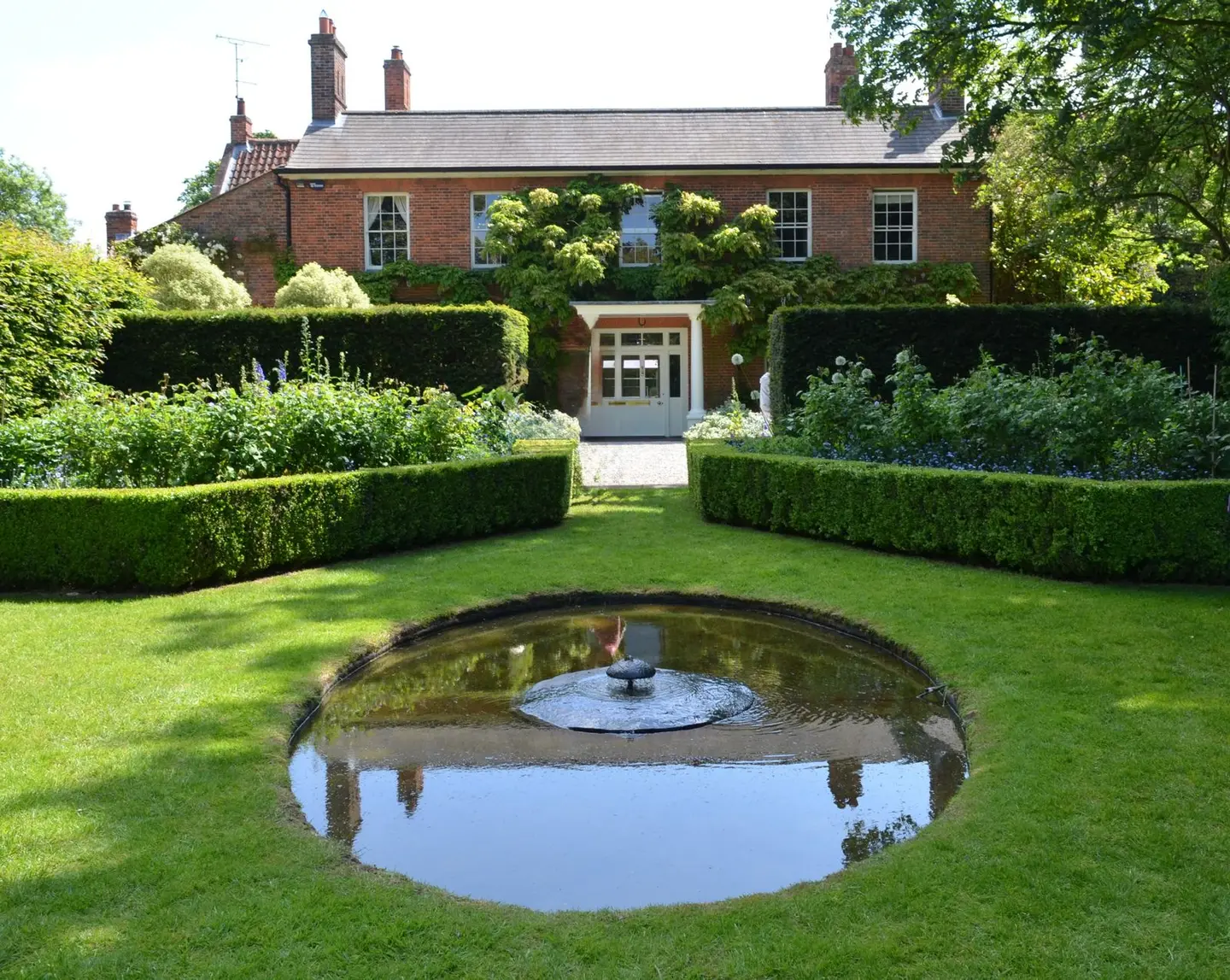
The first decision is whether you want a formal, clipped hedge or an informal, flowering/fruiting one. Both have their place:
| Style | Typical Species | Maintenance | Wildlife Value | Cost per Linear Metre |
|---|---|---|---|---|
| Formal, evergreen | Box, Yew, Privet, Laurel | 1–2 clips/year | Low | £15–£40 planted |
| Formal, deciduous | Hornbeam, Beech | 1–2 clips/year | Medium (caterpillars, seed) | £12–£35 planted |
| Informal flowering | Hawthorn, Blackthorn, Rosa rugosa | Minimal | Very high | £8–£25 planted |
| Mixed native hedge | Hawthorn, Field Maple, Dog Rose, Hazel | Low | Excellent | £10–£30 planted |
| Boundary fast-growing | Leylandii, Griselinia | 2–3 clips/year | Low | £15–£40 planted |
A note on box (Buxus): box blight and box tree caterpillar have devastated formal box hedging across the UK. If you want a formal evergreen hedge, consider ilex crenata (Japanese holly) or Westringia as alternatives that are resistant to both.
Planting Times
- Bare-root plants (cheapest option, only available when dormant): November to March. These are the best value for native hedging; whips cost £1–£5 each compared to £8–£20 for potted equivalents.
- Potted and root-balled plants: can be planted year-round, but avoid planting in drought (July–August) without daily watering commitments, or in hard frost.
Spring and autumn are ideal for potted plants, soil is warm enough for root establishment but moisture levels reduce watering demand.
Ground Preparation
Good preparation is the single biggest investment you can make for a hedge or border that thrives:
- Mark out the hedge line or border with canes and string.
- Remove perennial weeds thoroughly. Couch grass, bindweed, and ground elder are the main enemies, they regrow from even small root fragments. Use a fork to extract all roots, or for serious infestations, apply glyphosate in summer and wait for it to take effect before planting.
- Dig a trench for hedging (450 mm wide, 300 mm deep for bare-root whips; single pit per plant for potted shrubs), or single-dig a border to a spade’s depth (250 mm).
- Incorporate organic matter: work in a 100 mm layer of well-rotted garden compost or farmyard manure into the planting zone. This improves moisture retention in sandy soils and drainage in clay.
- Apply a base dressing of slow-release fertiliser (e.g., blood, fish and bone at manufacturer’s rate) to the improved soil.
Planting Bare-Root Hedging
- Soak roots in a bucket of water for 30–60 minutes before planting if they’ve dried out in transit.
- Dig a hole just wide enough for the roots spread naturally, and deep enough that the soil mark on the stem is at ground level (not deeper).
- Place the plant, backfill with the excavated soil (no need for extra compost in the planting hole, roots should grow outward into native soil), and firm gently with your heel.
- Spacing: for a dense boundary hedge, plant a double staggered row at 300 mm intervals in each row, rows 300 mm apart. For a single-row hedge, space 450–600 mm apart for most species (600 mm for hawthorn, hornbeam, and field maple).
- Water in well, even in winter.
- Weed suppression mat (biodegradable jute or woven polypropylene, 0.9 m wide) laid along the hedge run significantly reduces establishment competition.
Mixed Native Hedge Species Mix
A good all-round native hedge for UK conditions can include:
- Hawthorn (Crataegus monogyna): 70% of the mix, fast growing, thorny stock barrier, berries for birds
- Blackthorn (Prunus spinosa): 10%, incredibly thorny, early spring blossom, sloe berries
- Field maple (Acer campestre): 10%, excellent autumn colour, good for clay soils
- Dog rose (Rosa canina): 5%, scrambling, hips for birds
- Hazel (Corylus avellana): 5%, nuts for mammals, catkin interest, can be coppiced
This mix provides year-round structure and wildlife value, hawthorn and blackthorn support hundreds of invertebrate species, which in turn support bats, hedgehogs, and nesting birds.
Planning a Border
A planting border works best with a layered structure: tall shrubs or small trees at the back, mid-height perennials and shrubs in the middle, low ground cover at the front. For a UK mixed border:
Back (over 1.2 m): Rosa, Cornus (dogwood), Sambucus (elderflower), Viburnum, Euonymus Mid (0.5–1.2 m): Salvia, Echinacea, Geranium, Alchemilla, Kniphofia, Sedum Front (under 0.5 m): Heuchera, Ajuga, Vinca, Bergenia, Ophiopogon
For a mixed border, allow one plant per 0.5–1 m² at final spread, depending on the species. Most perennials will fill their allotment within 2–3 years.
Soil and Aspect
Match plant choices to your conditions rather than forcing unsuitable species:
- Chalk / alkaline soil: Buddleia, Lavender, Rosemary, Clematis, Box
- Clay / heavy soil: Dogwood (Cornus), Hawthorn, Persicaria, Hostas
- Sandy / free-draining soil: Lavender, Cistus, Verbena, Geranium
- Shade / north-facing: Ferns, Hellebores, Ajuga, Astrantia, Pulmonaria
Planning Permission for Hedges
Hedges in England do not normally require planning permission to plant, but the Anti-social Behaviour Act 2003 gives councils powers to require the reduction of “high hedges” (over 2 m) that unreasonably block light. Leylandii disputes between neighbours are common, if you’re planting a fast-growing species on a boundary, plan to clip it to a maximum of 1.8–2 m from the start.
In a Conservation Area, removing a hedge that’s over a certain age may require notification to the local planning authority.
Costs
| Job | DIY | Professional |
|---|---|---|
| 10 m mixed native hedge, bare-root | £50–£150 (plants) | £500–£1,200 |
| 10 m formal yew hedge, large plants | £400–£800 (plants) | £1,200–£3,000 |
| 20 m² mixed perennial border (plants) | £200–£600 | £600–£1,800 |
| Ground preparation (per m²) | £1–£3 (compost) | £8–£20 (contractor) |
| Annual hedge trimming (professional) | - | £80–£300 per visit |
The most cost-effective approach: buy bare-root native whips in late autumn, prepare ground properly in advance, and plant yourself. A well-prepared mixed native hedge planted with bare-root stock is virtually foolproof and substantially cheaper than container-grown equivalents.