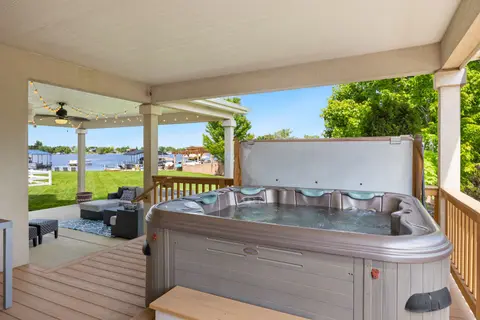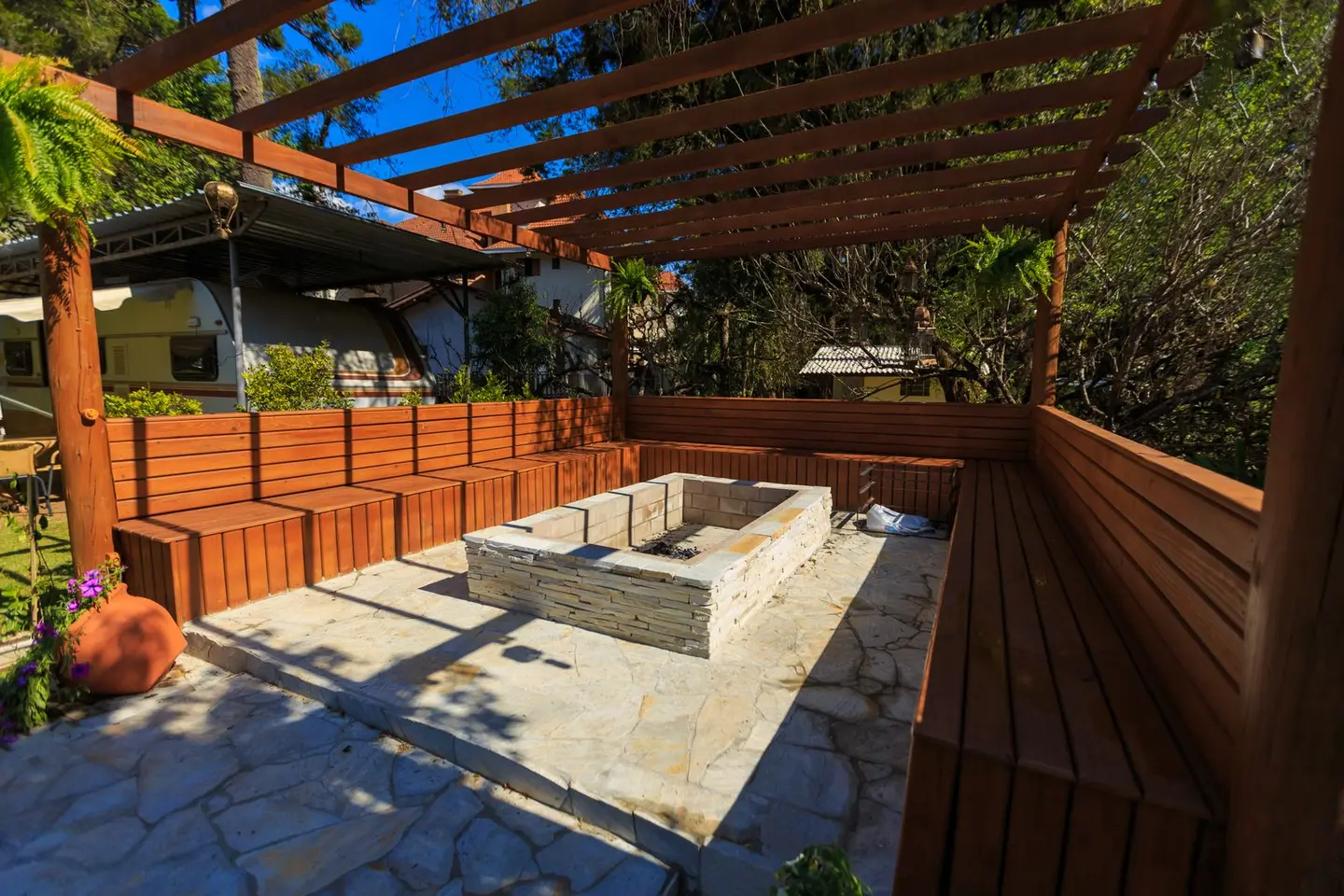
A fire pit transforms an outdoor space. Whether it is a simple steel bowl on the patio or a carefully designed sunken fire area surrounded by landscaping and seating, it creates a focal point and extends the time you can spend in the garden into autumn and beyond. Costs in the UK range from under £50 for an entry-level portable pit to £5,000 or more for a bespoke built-in installation, and the right choice depends on how you intend to use it and how permanent you want it to be.
Fire Pit Cost Summary
| Type | Typical cost | Durability |
|---|---|---|
| Portable steel bowl (basic) | £40–£100 | 3–7 years |
| Portable cast iron / corten steel | £100–£300 | 10–20 years |
| Raised fire pit on legs (large) | £200–£600 | 10–15 years |
| Built-in brick or stone fire pit | £800–£2,500 | 25+ years |
| Sunken fire pit (landscaped) | £2,000–£5,000+ | Permanent |
| Gas fire pit table or feature | £600–£3,000 | 10–20 years |
Costs for built-in and sunken pits include labour, materials, and a hardstanding base where needed. Portable pits are as priced at retail; installation is not required.
Portable Fire Pits
The most popular option in the UK is still a portable fire pit, typically a steel or cast iron bowl on three or four legs, priced between £40 and £300 depending on size and quality.
What to look for:
- Corten (weathering) steel, develops an attractive rust patina, genuinely durable; a good 60 cm corten bowl costs £150–£300
- Powder-coated mild steel, cheaper but the coating will burn off around the firebox over time; budget option only
- Cast iron, very heavy, excellent heat retention, long life; classic choice at £80–£250
Look for pit diameter of at least 50 cm for a useful fire size, and always use a spark guard if the pit will be on a timber deck or near planting.
Built-In Fire Pits
A built-in fire pit is a permanent landscaping feature, typically constructed from engineering brick, natural stone, concrete block, or a combination. These are almost always bespoke to the garden layout and require professional construction or skilled DIY.
Standard construction sequence:
- Excavate and compact the base; lay a concrete foundation (150 mm minimum)
- Build the outer wall structure in brick, stone, or block
- Line the interior with refractory brick or concrete (ordinary brick will crack under sustained heat)
- Lay a steel or refractory concrete base inside the pit
- Finish the capping with sandstone, granite, or brushed concrete
A built-in pit constructed by a landscaper using engineering brick and sandstone capping, roughly 1.0 m × 1.0 m, will cost £1,200–£2,500 installed, including groundworks and base. Adding a built-in seating wall or raised planters around it can push the total to £3,000–£6,000.
Sunken Fire Pit Ideas
A sunken fire pit, where the fire area is set below ground level, often surrounded by a raised seating area, is one of the most popular upscale garden ideas currently. The sunken element creates a natural windbreak and an amphitheatre effect for seating.
Construction is more involved than a surface-level pit:
- Deeper excavation (typically 400–600 mm below finished garden level)
- Retaining walls to hold back the surrounding ground
- Drainage provision to stop the pit filling with water
- Steps or access path into the seating area
Expect to pay £3,000–£7,000 for a well-designed sunken fire pit with integrated seating and proper drainage, designed and built by a landscaper. Budget designs without built-in seating can be delivered for £1,500–£3,000 by a confident landscaping team.
Gas Fire Pits
Gas fire pits, running on natural gas (if a mains supply is available) or LPG from a cylinder, are increasingly popular for gardens where clean, controllable flames are more appealing than wood smoke. They light instantly, produce no ash or embers, and can be turned off cleanly.
A gas fire pit table (a garden table with a gas burner in the centre) costs £600–£2,000 from garden retailers. A bespoke built-in gas feature designed by a landscaper, using a linear burner in a stone-clad trough, costs £1,500–£4,000 installed.
Gas connections to outdoor features must be installed by a Gas Safe registered engineer. An LPG cylinder hose connection (concealed in the base of the feature) is simpler and does not require a registered engineer for the connection if the hose is a standard bayonet fitting, but gas safety checks by a registered engineer are still advisable.
Fire Pit Seating Ideas
The fire pit is only as good as the seating around it. Popular approaches:
- Timber benches, simple hardwood or treated softwood bench; from £200 per 1.8 m length supplied and fixed
- Built-in block and timber benches, a concrete block or brick base with a hardwood seat on top; durable and weather-resistant; around £300–£700 per 2 m run
- Curved stone seating wall, for a premium look; £400–£900 per metre run in sandstone or granite
- Moveable rattan or steel garden chairs, flexible but require storage in winter
If you are commissioning a landscaper for the whole feature, ask them to price seating as part of the same package, it is usually more efficient than two separate quotes.
Planning Permission and Legal Considerations
A garden fire pit does not normally require planning permission in England, Wales, or Scotland. It is considered a permitted development (or simply a garden accessory) and is not a structure requiring consent.1
However:
- Smoke nuisance, burning certain materials (painted wood, plastics, rubber) is illegal under the Environmental Protection Act 1990. Only burn dry, untreated natural wood in an open fire pit
- Smoke Control Areas, if your property is in a smoke control area (most urban areas in England), you are only permitted to burn authorised fuels or use an exempt appliance. A standard wood-burning fire pit is not exempt. Check with your local council before using one regularly. Gas fire pits are not affected by Smoke Control Area restrictions
- Proximity to boundaries and structures, no legal setback distance exists for a fire pit in a garden, but the fire service recommends keeping open fires at least 3 m from fences, structures, and overhanging vegetation
For built-in features, check with your local authority if your property is listed or in a conservation area before starting construction, permanent landscape structures may require consent.
What to Buy vs What to Build
Most homeowners are best served by buying a quality portable corten steel or cast iron fire pit (£150–£300) initially and deciding later whether a built-in feature is worth investing in after using the space for a season or two. Garden use patterns are hard to predict, and a permanent fire pit in the wrong location is a significant landscaping correction.
If you are certain of the location and frequency of use, a built-in or sunken pit adds both enjoyment and lasting value to the garden, particularly when integrated with a seating area, lighting, and planting.
References (1)
Figures in this note were checked against the sources below on 14 September 2026. Superscript numbers in the text point to them. Every source the site cites, by topic.
- 1technicalvery strongThe National Archives, legislation.RN-OWGIY3Schedule 2 Part 1 of the GPDO 2015, development within the curtilage of a dwellinghouse. This is permitted development itself: Class A enlargement and alteration, with the limits and conditions, through the classes covering roof alterations, porches, outbuildings and hard surfaces. Every statement about what can be built without planning permission traces to this Part, and the exclusions at the start of each class are where most projects actually fall out.
-
The Town and Country Planning (General Permitted Development) (England) Order 2015, Schedule 2, Part 1, The National Archives, accessed 14 September 2026. legislation.gov.uk