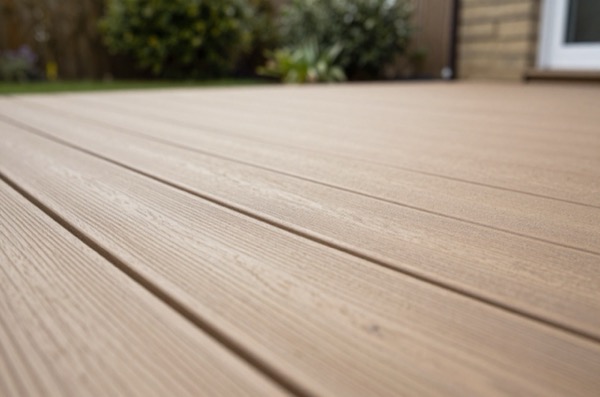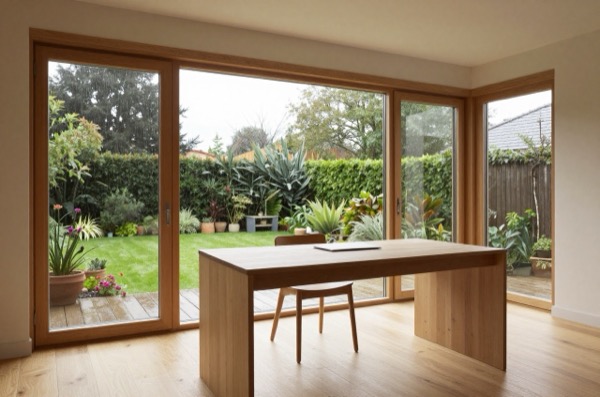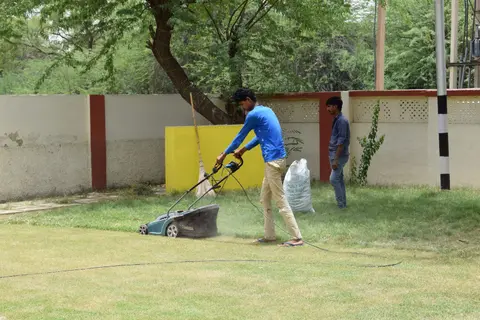
A full garden landscape is one of the most complex projects a homeowner can take on, it combines structural engineering (drainage, levels, foundations for patios and walls), civil works (fencing, edging, hard surfaces), horticulture (soil preparation, planting), and often electrical or water features. Done well, it adds considerable enjoyment and value to a property. Done in the wrong order, it creates expensive rework. This guide covers realistic 2026 costs and the correct sequence to follow.
What Does Garden Landscaping Actually Cost?
Costs are highly variable because “landscaping” covers everything from a simple lawn re-turf to a full design-and-build transformation. The most useful framing is to break the project into its component parts.
| Element | Typical cost range |
|---|---|
| Site clearance (skip, vegetation removal) | £400–£1,500 |
| Groundworks / levelling / drainage | £800–£4,000 |
| Fencing (timber, 30m perimeter) | £2,000–£5,000 |
| Patio installation (30m², porcelain on concrete) | £4,500–£9,000 |
| Patio installation (30m², natural sandstone) | £3,500–£7,000 |
| Raised beds (brick or sleeper, 2–3 beds) | £800–£2,500 |
| Garden walls (block or brick, 10m) | £1,500–£4,000 |
| Steps (concrete/natural stone, 4–6 risers) | £600–£2,000 |
| Lawn (seeded, 50m²) | £300–£800 |
| Lawn (turfed, 50m²) | £600–£1,500 |
| Planting scheme (shrubs and perennials) | £500–£3,000 |
| Irrigation system | £1,200–£4,000 |
| Lighting (outdoor, 6–10 points) | £800–£2,500 |
| Garden design fee (drawings and specification) | £500–£3,000 |
Typical total budgets:
- Basic refresh (clear, turf, planting, gravel path): £3,000–£8,000
- Mid-range project (patio, lawn, fencing, planting): £10,000–£20,000
- High-specification project (design, full hard and soft landscaping, lighting, irrigation): £20,000–£50,000+
Day rates for tradespeople involved in landscaping in 2026 typically run £200–£350/day for experienced landscapers, £250–£400/day for bricklayers laying patios or walls, and £180–£280/day for labourers.
The Correct Order of Work
One of the most common and costly mistakes in garden projects is doing things in the wrong sequence. Here is the correct order:
1. Design and Survey
Before any ground is broken, confirm the design on paper. Measure the garden accurately, note the position of manholes and drains, identify any tree protection orders (TPOs), and establish finished levels for all hard surfaces. Even a sketch plan with levels marked helps prevent surprises.
2. Enable Access
Heavy machinery, mini diggers, telehandlers for stone delivery, skip lorries, must access the site before fences or gates are installed. Arrange access via side gates, through the house (with protective sheeting), or over the front garden at this stage.
3. Site Clearance
Remove all unwanted vegetation, old sheds, fencing, hard surfaces, and debris. Hire a skip (typically £250–£500 for a 6-yard skip) or arrange a licensed waste carrier. Identify and mark all underground services (gas, electric, water, drainage) before any excavation, use a CAT scanner service or contact Dial Before You Dig (0800 96 93 96).
4. Groundworks and Drainage
This is the foundation for everything else. Establish final ground levels, install any drainage runs or soakaways, and cut and compact sub-bases for patio and path areas. This is the hardest stage to undo later, get it right before moving on.
5. Hard Landscaping
Construct everything structural: retaining walls, garden walls, steps, raised beds, pergola footings. Then lay hard surfaces, patios, paths, driveways. Always allow concrete sub-bases to cure for a minimum of 7 days before laying stone on top.
6. Fencing and Boundary Structures
Install fence posts once hard landscaping is complete to avoid post positions conflicting with paving edges or planting areas. Timber fence panels can be damaged by concrete splashes and machinery during hard landscaping.
7. Services (Irrigation, Lighting, Water Features)
Run any pipework and cabling after hard landscaping is finished, either through ducting buried under the paving or in trenches in soft areas. Retrofitting electrics or water once the patio is laid is significantly more expensive.
8. Soil Preparation and Soft Landscaping
Once all hard works are complete and machinery has left the site, prepare soft areas. Strip compacted topsoil, break up the sub-surface, and incorporate organic matter. Lay turf or seed, plant trees, shrubs, and perennials. Planting last protects plants from machinery damage.
9. Finishing Works
Jet-wash new paving, apply sealant if required, install lighting fittings, commission irrigation, add edging, and lay gravel or bark mulch to planted areas.
What Drives the Price Up?
Several factors push a landscaping budget significantly beyond the averages:
- Poor access: Narrow side gates and no direct vehicle access mean everything has to be carried through the house or over the garden, slow and expensive
- Uneven or sloping ground: Significant changes in level require retaining walls, structural fill, or terracing
- Clay soil: Excavation is harder, disposal costs more (clay is heavy), and drainage solutions are more complex
- High-specification materials: Porcelain tiles cost roughly twice as much as concrete flags and require a more precise sub-base
- Existing concrete or hard standing: Breaking up and removing existing concrete adds cost for both labour and disposal
- Tree roots: Working around or through significant root systems slows every stage of work
Planning Permission Considerations
Most garden landscaping work is permitted development. However, planning permission may be required if:
- You are creating a raised platform or decking over 300mm above ground level that exceeds 50% of the garden
- You are building a wall over 1 metre high adjacent to a highway, or over 2 metres elsewhere
- Your property is in a conservation area or is listed
- Permitted development rights have been removed by a condition on the original planning consent1
If in doubt, apply for a Lawful Development Certificate (LDC) from your local planning authority before starting work. The fee is typically £136 in England (2026) for garden works you have not yet started, or £272 for works already carried out, and provides legal certainty.2
Choosing a Landscaper
Look for landscapers who are members of the Association of Professional Landscapers (APL) or the British Association of Landscape Industries (BALI). These trade bodies require members to have public liability insurance, relevant qualifications, and submit to industry standards. Always get three detailed written quotes and ask to see previous projects in person if possible, photos can be misleading.
References (2)
Figures in this note were checked against the sources below on 14 September 2026. Superscript numbers in the text point to them. Every source the site cites, by topic.
- 1technicalvery strongThe National Archives, legislation.RN-OWGIY3Schedule 2 Part 1 of the GPDO 2015, development within the curtilage of a dwellinghouse. This is permitted development itself: Class A enlargement and alteration, with the limits and conditions, through the classes covering roof alterations, porches, outbuildings and hard surfaces. Every statement about what can be built without planning permission traces to this Part, and the exclusions at the start of each class are where most projects actually fall out.
- 2technicalvery strongMinistry of Housing, Communities and Local Government (GOV.UK), a government page.RN-JM9I1NThe schedule of planning application fees in England from 1 April 2026. Fees rise annually with the September CPI under the 2023 amendment regulations; September 2025 CPI was 3.8%, so every fee from April 2025 rose by that and is charged from 1 April 2026. The table lists the new amount for each application type, which is the statutory figure a council must charge rather than a guide price.
-
The Town and Country Planning (General Permitted Development) (England) Order 2015, Schedule 2, Part 1, The National Archives, accessed 14 September 2026. legislation.gov.uk
-
Fees for planning applications in England from 1 April 2026, Ministry of Housing, Communities and Local Government (GOV.UK), accessed 7 September 2026. assets.publishing.service.gov.uk