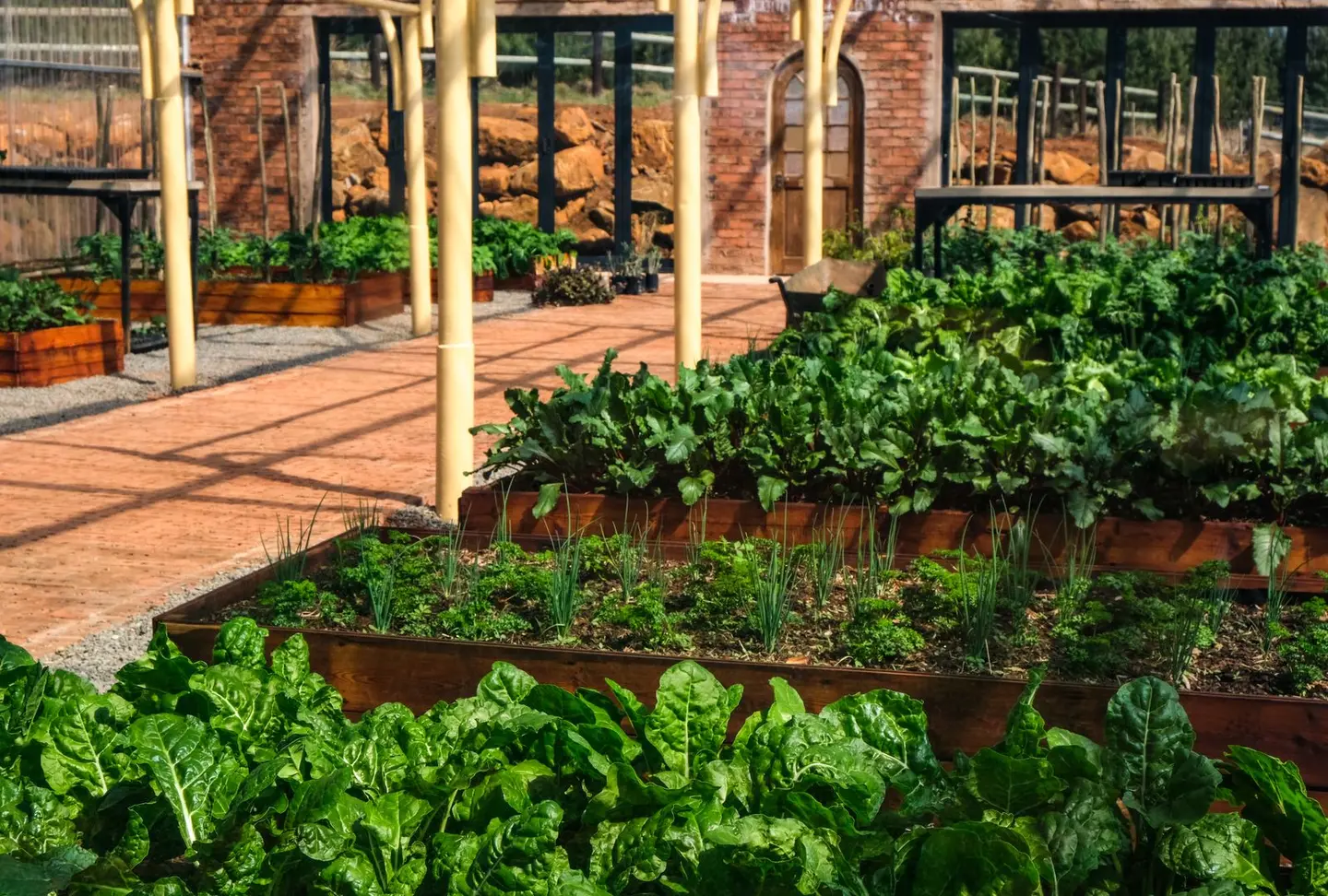
Raised beds extend the growing season, improve drainage, reduce weed pressure, and make kitchen gardens far more manageable. They suit virtually any garden, from a small urban patio using a single planter to a large plot with a grid of vegetable beds. The main decisions are material, height, and whether you build them yourself or bring in a landscaper.
Costs vary enormously depending on what you build with. A simple softwood frame knocked up in an afternoon costs under £100 in materials; a bespoke galvanised steel or hardwood sleeper installation can run to several hundred pounds per bed. This guide covers every option with realistic 2026 UK pricing.
Common Materials Compared
| Material | DIY Material Cost | Longevity | Appearance | Notes |
|---|---|---|---|---|
| Treated softwood (C24 graded) | £30–£80 per bed | 8–15 years | Traditional | Widely available, easy to cut and screw |
| Oak or hardwood sleepers | £80–£200 per bed | 20–30+ years | Premium | Heavy; must be new railway sleepers (old ones may contain creosote) |
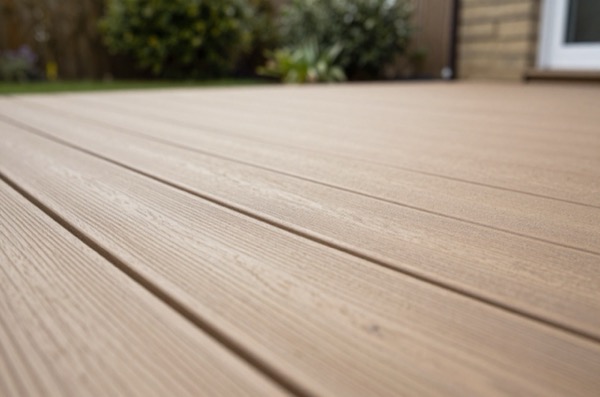
| Recycled plastic/composite | £80–£250 per bed | 25+ years | Modern | Splinter-free, low maintenance, fades over time |
| Galvanised steel (Corten or zinc-coated) | £100–£400 per bed | 20–30+ years | Industrial/contemporary | Heats up in sun; excellent for modern gardens |
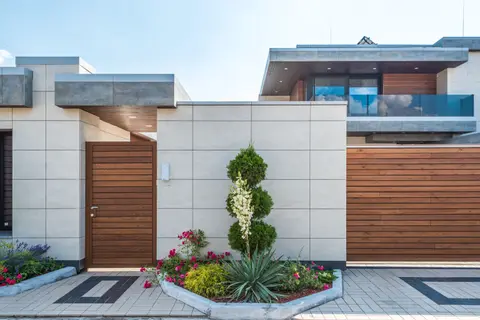
| Brick or block | £150–£600 per bed (materials) | Permanent | Formal | Requires foundations if tall; highest labour cost |
| Concrete block (rendered) | £100–£400 per bed | Permanent | Can be decorative | Good for very large beds |
Typical Dimensions and Heights
Standard raised bed sizes are dictated by reach, you should be able to work the centre of the bed from either side without stepping in.
- Width: 1.0–1.2 m maximum for beds accessible from both sides; 0.6 m if against a fence.
- Length: 2.4 m or 3.6 m are common because they align with standard timber lengths (2.4 m planks), minimising waste.
- Height: 20–30 cm is sufficient for most vegetables; 40–60 cm suits root vegetables (carrots, parsnips) or those who prefer to work without kneeling; 75–90 cm creates a working-height planter suitable for those with limited mobility.
Taller beds require more fill, which is often where the real cost lies on a large project.
DIY vs Contractor-Built Costs
DIY
For a standard 2.4 m × 1.2 m × 30 cm treated softwood bed:
- Timber: 4 × 2.4 m lengths of 150 mm × 38 mm treated C16/C24, plus corner posts, approximately £35–£60.
- Fixings (screws, corner brackets): £5–£10.
- Total materials: £40–£70.
- Time: 2–4 hours including measuring, cutting, and assembly.
For oak sleeper beds (2.4 m × 1.2 m × two-sleeper high, roughly 45 cm):
- Sleepers: 6–8 new oak sleepers at £20–£35 each, £120–£280.
- Fixings or rebar: £15–£25.
- Total materials: £135–£305.
- Time: half a day (sleepers are heavy, 50–80 kg each).
Contractor-Built
A landscaper will charge for labour plus a markup on materials. Expect:
| Bed Type | Size | Contractor-Built Cost (supply + fit) |
|---|---|---|
| Treated softwood, single | 2.4 × 1.2 × 0.3 m | £200–£350 |
| Treated softwood, set of 3 | 2.4 × 1.2 × 0.3 m each | £500–£900 |
| Hardwood sleeper, single | 2.4 × 1.2 × 0.45 m | £400–£700 |
| Galvanised steel, single | 2.0 × 1.0 × 0.45 m | £350–£650 |
| Brick-built, single | 2.4 × 1.2 × 0.45 m | £500–£1,000+ |
Labour rates for garden landscaping run £200–£350 per day in London and the South East, £150–£250 elsewhere.
Fill Costs: Topsoil and Compost
The fill is often the biggest single cost, particularly for tall beds. The standard advice is a 70:30 or 60:40 mix of topsoil to compost or well-rotted organic matter.
A 2.4 m × 1.2 m × 0.3 m bed holds approximately 0.86 m³ of fill.
| Fill Type | Cost per m³ (delivered, bulk bag) | Notes |
|---|---|---|
| Screened topsoil (general) | £60–£100 | Suitable for most vegetables |
| Premium vegetable topsoil | £80–£130 | Higher organic content |
| Garden compost (bagged) | £150–£250 | Expensive per m³; usually blended in |
| Mushroom compost | £40–£80 | Low pH, good for brassicas, avoid acid-lovers |
| Blended raised bed mix | £90–£160 | Ready-to-use, convenient |
For a set of three 2.4 m × 1.2 m × 0.3 m beds, you need roughly 2.6 m³ of fill, budget £200–£350 delivered.
For taller beds (0.6 m high), the Hugelkultur approach can save on fill costs: pack the base third with logs, branches, and leaf matter, which decompose over time and provide nutrients. Top with a 40 cm layer of topsoil and compost mix.
Drainage Considerations
Raised beds inherently drain better than flat ground, but a few steps ensure they do not waterlog:
- Base layer: For beds on impermeable surfaces (paving, concrete), add a 5–10 cm layer of coarse gravel or crushed stone at the base before filling. On lawn or soil, cut through any turf and loosen the base.
- Weed membrane: Line the base (not the sides) with a permeable weed membrane to suppress weeds from below while allowing water to drain freely. Avoid impermeable plastic, it causes pooling.
- On patios: If drainage is critical, drill drainage holes through the sides near the base, or use a planter with built-in feet to allow water escape.
- Tall beds on compacted clay: Consider breaking up the clay base with a fork before installing the bed, or lay a drainage layer of 10–15 cm rubble and gravel.
Material Longevity
| Material | Expected Lifespan | Maintenance Required |
|---|---|---|
| Treated softwood (UC3/UC4 rated) | 8–15 years | Annual check for rot; treat cut ends |
| Untreated softwood | 3–6 years | Not recommended for ground contact |
| Hardwood sleepers (new oak) | 20–30+ years | Minimal; oil occasionally if desired |
| Composite/recycled plastic | 25+ years | Wipe down; UV fading over time |
| Galvanised steel | 20–30 years | Check for rust at cut edges; touch-up paint |
| Corten steel (weathering steel) | 40+ years | Develops a protective rust patina, no treatment needed |
| Brick or block | Permanent | Point mortar every 10–15 years |
When using treated timber, confirm it carries a UC3 or UC4 rating, these are appropriate for ground contact. Avoid timber treated with older copper/chromium/arsenic (CCA) preservatives in edible growing contexts; modern ACQ and copper azole treatments are considered safe once dry.
Practical Tips Before You Build
- Placement: Site beds to receive at least 6 hours of sun per day for most vegetables. North-facing beds suit leafy greens and herbs.
- Path width: Leave at least 60 cm between beds for comfortable working access; 75 cm if you use a wheelbarrow.
- Irrigation: Install drip irrigation or soaker hose loops before filling, far easier than retrofitting.
- Height for accessibility: For wheelchair or standing-height use, design to 75–90 cm tall with a minimum 45 cm clear knee space below if a sit-to-work approach is needed.
- Planning permission: Raised beds are permitted development in most residential gardens. If you are building permanent structures over 30 cm in height against a boundary wall, check with your local authority, though domestic vegetable beds very rarely trigger any planning requirement.1
The rules in this note are those that apply in England. Scotland, Wales and Northern Ireland have their own building standards and permitted development rights.
References (1)
Figures in this note were checked against the sources below on 14 September 2026. Superscript numbers in the text point to them. Every source the site cites, by topic.
- 1technicalvery strongThe National Archives, legislation.RN-OWGIY3Schedule 2 Part 1 of the GPDO 2015, development within the curtilage of a dwellinghouse. This is permitted development itself: Class A enlargement and alteration, with the limits and conditions, through the classes covering roof alterations, porches, outbuildings and hard surfaces. Every statement about what can be built without planning permission traces to this Part, and the exclusions at the start of each class are where most projects actually fall out.
-
The Town and Country Planning (General Permitted Development) (England) Order 2015, Schedule 2, Part 1, The National Archives, accessed 14 September 2026. legislation.gov.uk