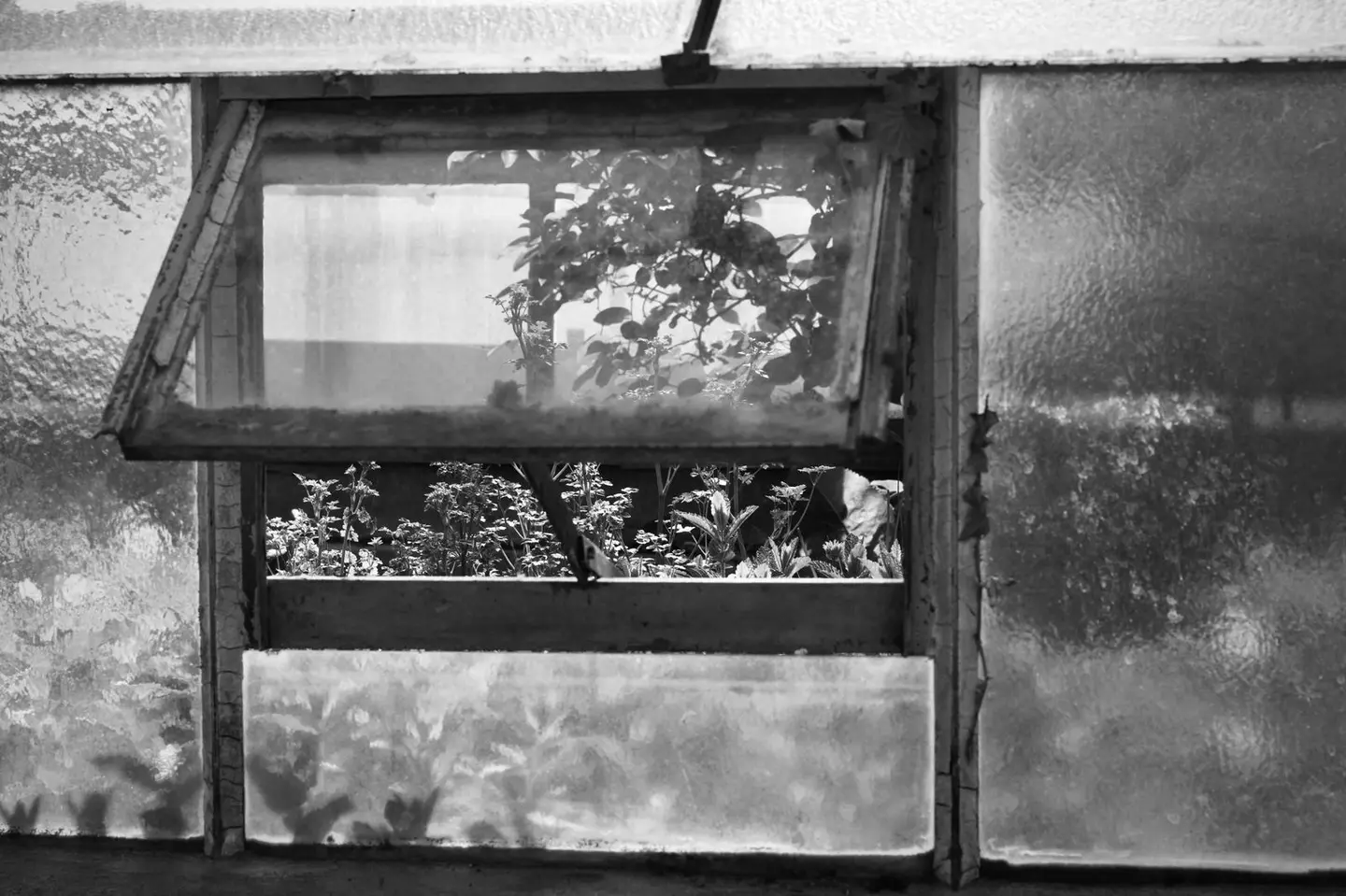
A greenhouse extends your growing season, protects tender plants, and, if well-specified, adds genuine value to a property. Prices range from under £500 for a flat-pack polycarbonate unit to well over £8,000 for a timber-framed Victorian-style structure with toughened glass. Knowing which variables drive that spread helps you buy the right greenhouse rather than the cheapest one.
Types of Greenhouse
Lean-to greenhouses fix against a house wall or garden wall, borrowing its thermal mass. Ideal for smaller plots; sizes typically start at 6×4 ft. The wall retains daytime heat and releases it overnight, cutting heating bills.
Freestanding greenhouses are the classic rectangular glass house sited anywhere in the garden. The widest choice of sizes from 6×4 ft to 20×12 ft and beyond.
Curved or octagonal greenhouses suit ornamental kitchen gardens; they’re more expensive to glaze and maintain.
Cold frames and mini-greenhouses sit at the budget end, useful for hardening off seedlings but not a true growing space.
Polytunnels are a practical alternative for larger plots. A 6×3 m tunnel starts at around £250 for a DIY kit but is not covered in detail here.
Frame Materials
| Frame | Lifespan | Maintenance | Typical cost uplift |
|---|---|---|---|
| Powder-coated aluminium | 25–40 yrs | Virtually none | Baseline |
| Galvanised steel | 20–30 yrs | Annual rust check | −10 to 0% |
| uPVC | 20–30 yrs | Wipe clean | +5–10% |
| Hardwood timber (cedar) | 20–30 yrs with treatment | Oil every 2–3 yrs | +30–60% |
| Softwood timber | 10–20 yrs | Paint/stain every 2 yrs | +15–30% |
Powder-coated aluminium dominates the UK market because it is light, strong, and needs no maintenance. Cedar looks better and insulates marginally better, but the upkeep commitment is real.
Glazing Options
Glazing is the biggest single driver of warmth, cost, and longevity.
| Glazing | U-value (W/m²K) | Impact resistance | Relative cost | Notes |
|---|---|---|---|---|
| Horticultural glass (3 mm) | ~5.8 | Low | Lowest | Standard for budget greenhouses; breaks into dangerous shards |
| Toughened safety glass (4 mm) | ~5.6 | High | +30–50% vs hort. glass | Building Regs require this where people may fall against it |
| Twin-wall polycarbonate (6 mm) | ~3.0 | Very high | Mid-range | 10-yr UV warranty typical; yellows over time |
| Triple-wall polycarbonate (10 mm) | ~2.1 | Very high | +20% vs twin-wall | Better heat retention; heavier |
| Low-emissivity glass | ~1.1–2.0 | High | Premium | Best heat retention; cost approaches double-glazing |
For most UK gardeners, 6 mm twin-wall polycarbonate gives the best balance of insulation, safety, and price. If aesthetics matter or you want true clarity for photography or display, toughened glass is worth the premium.
Building Regulations note: In England and Wales, glazing within 800 mm of floor level in any building, including a greenhouse attached to a house, must meet the safety glazing requirements of Part K in England and Part N in Wales (Approved Document N was amalgamated into Approved Document K in England on 6 April 2013, so an English reader should be looking at AD K). Freestanding garden greenhouses are generally exempt, but always check if yours is attached to the dwelling.1
Planning Permission
Most freestanding garden greenhouses fall under Permitted Development (PD) in England, provided:
- The greenhouse is in the rear or side garden (not forward of the principal elevation)
- It covers no more than 50% of the land around the original house when combined with other outbuildings
- It is no taller than 2.5 m if within 2 m of the boundary, or 3 m otherwise
Lean-to structures attached to the house count as an extension and must meet the relevant PD extension rules (or require full planning). Always verify with your local planning authority if you are in a conservation area, AONB, or listed building setting, where PD rights may be removed.
2026 UK Cost Guide
Costs below are for supply only (DIY assembly) unless stated. All figures include VAT.
| Size | Polycarbonate, aluminium frame | Toughened glass, aluminium frame | Cedar frame, toughened glass |
|---|---|---|---|
| 6×4 ft | £350–£600 | £550–£900 | £900–£1,500 |
| 6×8 ft | £600–£1,000 | £900–£1,600 | £1,600–£2,800 |
| 8×10 ft | £900–£1,500 | £1,400–£2,500 | £2,500–£4,500 |
| 10×12 ft | £1,300–£2,200 | £2,200–£3,800 | £3,800–£7,000 |
| 12×16 ft | £2,000–£3,500 | £3,500–£6,000 | £6,000–£10,000+ |
Professional erection: £300–£800 for a standard 6×8–8×10 ft unit depending on complexity and access. For a lean-to requiring wall fixings and weatherproofing, allow £500–£1,200.
Base preparation: A concrete or slab base is essential for longevity, typically £400–£900 for a 6×8 ft slab (labour + materials). Some manufacturers sell proprietary steel base anchors for roughly £80–£150 that fix into a gravel surround instead.
Running Costs
An unheated greenhouse costs nothing beyond occasional cleaning. If you add heating:
- Paraffin heater (frost protection only): £40–£80 per winter season
- Electric fan heater (thermostat-controlled, 1–2 kW): £120–£250 per winter depending on set point and insulation
- Gas or oil heating (larger structures): £300–£700+ per season
Bubble-wrap insulation pinned to the inside of the glazing can cut heat loss by 20–30% at a cost of around £30–£80 per 6×8 ft greenhouse, highly recommended for overwinter use.
What to Check When Buying
- Glass vs polycarbonate pane overlap: Horticultural glass panes in traditional styles overlap like fish scales, water and dirt collect in the joints. Sealed units or polycarbonate avoid this.
- Ridge ventilation: At least two roof vents per 6×8 ft section. Automatic vent openers (around £20–£40 each) are one of the best accessories you can add.
- Door width: Wheelchair or wheelbarrow access needs 750 mm minimum.
- Gutter points: A lean-to should tie into the existing rainwater system; check compatibility.
- Manufacturer warranty: Look for a minimum 10-year frame warranty and a UV-stability guarantee on polycarbonate.
Installation Tips
- Orient east–west so the longest glazed face catches maximum winter sun from the south.
- Level the site before ordering, most manufacturers specify a tolerance of ±10 mm across the base.
- Leave a 100 mm gap between the base slab edge and any boundary fence for drainage and future maintenance.
- Seal around the base with a weather-resistant mastic once erected to prevent draughts and pests entering at ground level.
References (1)
Figures in this note were checked against the sources below on 14 September 2026. Superscript numbers in the text point to them. Every source the site cites, by topic.
- 1technicalvery strongMinistry of Housing, Communities and Local Government.RN-XH6E39The standard that decides whether a loft ladder is legal and when a raised deck needs a balustrade. Published 3 January 2013, it covers protection from falling, collision and impact including stairs, ladders, ramps, guarding and vehicle barriers. Paragraph 1.31 states that retractable ladders must not be used as a means of escape. Paragraph 1.32 permits a fixed ladder, with fixed handrails on both sides, only for access in a loft conversion containing one habitable room, and only where there is not enough space without altering the existing space for a compliant stair, which is the rule that catches most loft ladder installations. Paragraph 1.29 restricts alternating tread stairs to loft conversions. For a private stair the maximum pitch is 42 degrees (Table 1.1 note 1), the normal relationship between rise and going is twice the rise plus the going between 550mm and 700mm, and for dwellings external tapered steps forming part of the building need a going of at least 280mm. Paragraph 3.1 requires guarding wherever it is reasonably necessary for safety at the edge of a floor, gallery, balcony, roof, light well, basement or similar sunken area. Paragraph 3.2 requires guarding to be at least the height in Diagram 3.1, allows any wall, parapet or balustrade to serve as guarding, and requires it to resist the loads in BS EN 1991-1-1 with its UK National Annex and PD 6688-1-1, with BS 6180 for barrier and infill panel design. Handrails should be positioned 900mm to 1000mm from the pitch line or floor.
-
Approved Document K, Protection from falling, collision and impact, 2013 edition, Ministry of Housing, Communities and Local Government, accessed 14 September 2026. assets.publishing.service.gov.uk