The cowboy builder is a stable species: the same behaviours, the same script, the same escape routes, decade after decade. That consistency is your advantage, the pattern is recognisable before any money moves, and recognisable again on site while the damage is still small. This guide is the pattern, in checklist form.
Before you hire: the classic tells
- Doorstep origination, “we’re doing a job up the road and noticed your roof”. Legitimate builders with visible local work are booked months out; the doorstep pitch is the single strongest predictor of a scam, especially targeting older homeowners.
- Cash, and lots of it, up front, large deposits in cash “for materials” from a general builder is the model working as designed.
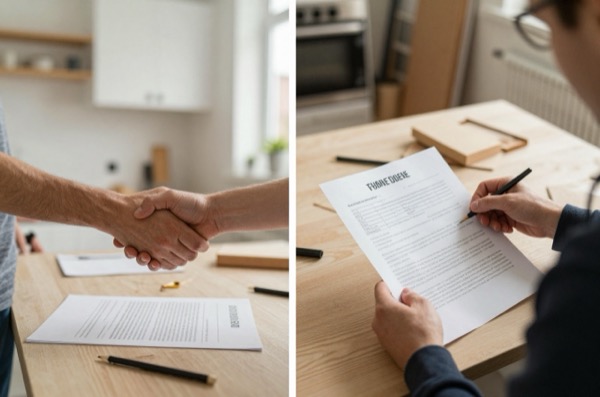
- No written quote, no contract, no cancellation notice, everything verbal, everything vague, and (tellingly) none of the cooling-off paperwork the law requires of doorstep sales.
- Unverifiable existence, mobile number only, no address, company incorporated last month or dissolved-and-reborn repeatedly (Companies House shows both in 60 seconds), reviews that are few, new and oddly worded.
- A price far below the field, 30%+ under comparable quotes isn’t a bargain, it’s a business model: get in on the low price, recover on invented extras or vanish at the deposit. Benchmark against the Cost Index so “far below” is measurable.
- Pressure, today-only prices, “the scaffold team’s free Monday”, any engineered urgency. Real builders don’t need you to decide in the kitchen.
Any two of these together should end the conversation. The full positive vetting routine, references, insurance, past jobs, is in how to find and vet a builder.
On site: the red flags that mean act now
Some outfits pass the paperwork stage and reveal themselves in week two:
- Money ahead of work, constant pressure to pay early, new sob stories per stage; the schedule exists precisely to resist this (stick to it).
- Covering up fast, boarding, screeding or plastering over work before you (or building control) could look. Photograph everything and slow it down; hiding is the tell.
- The extras machine, daily “problems” priced on the spot in round hundreds, aggression when you ask for them in writing.
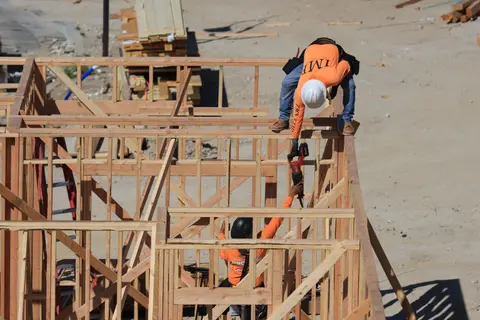
- Skeleton attendance, your job as the gap-filler between their other jobs; Mondays and material-collection Fridays only.
- No building control involvement on notifiable work, “we don’t need them for this” about structural, electrical or drainage work is a five-second fact-check.
- Aggression as a management tool, any flash of intimidation when questioned about money or quality. This is the strongest act-now signal on the list.
Exiting safely
The sunk-cost instinct, “another stage payment and maybe it improves”, is how four-figure problems become five-figure ones. Instead: stop paying beyond work genuinely done; put concerns and the required fix in writing with a deadline (the formal route from here); photograph the state of everything; and if trust is gone, end it properly, formal notice, valuation of work done, a clean handover to a competent firm. Where the conduct is criminal-adjacent, doorstep targeting, taking money with no intention of working, report to Action Fraud and Trading Standards (via Citizens Advice): enforcement runs on the reports of the previous ten victims.
And the quiet consolation: everything in this checklist is defeated by the boring fundamentals, verified trader, written contract, payments behind the work, a camera. Cowboys need clients who skip those; don’t be one.