A hot tub is one of the larger discretionary garden purchases a UK homeowner can make, not just because of the purchase price, but because the ongoing running costs are often underestimated at the point of buying. A well-insulated acrylic spa used three or four times a week can add £60–£120 per month to your electricity bill; a poorly insulated entry-level unit running at 40°C through a British winter can push that figure considerably higher.
Types of Hot Tub
Inflatable hot tubs have transformed the entry-level market. Prices start at around £300 for a four-person unit. They are lightweight, easy to store in winter, and require only a standard 13 A socket. The trade-off is that they heat slowly (3–5 hours from cold), are not as well-insulated as rigid spas, and have a limited lifespan of 3–7 years with careful use.
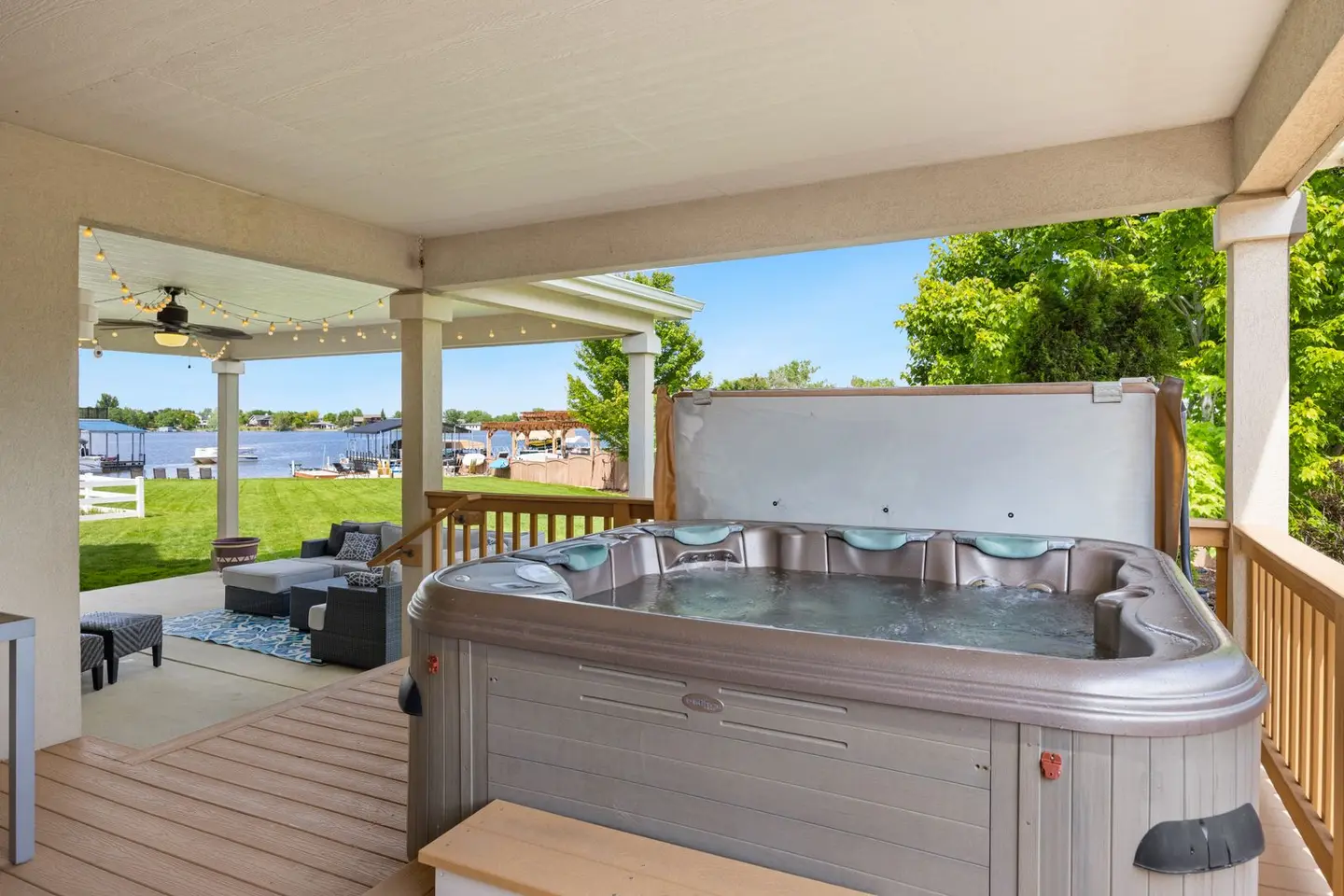
Acrylic/rotational-moulded rigid spas are the mainstream choice, ranging from four-person entry models at £3,000–£5,000 to large eight-person swim-spa hybrids at £15,000–£30,000. They heat faster, retain heat far better due to full-foam or partial-foam insulation, and typically come with a 5–10-year shell warranty.
Wooden hot tubs, typically cedar or larch, appeal for their aesthetics. Prices run £2,000–£8,000. They are usually heated by a wood-fired stove mounted inside the tub and have no electrical pump system, making running costs very low once up to temperature. The downside is slow heating (2–4 hours), no filtration system, and higher maintenance.
Swim spas combine a hot tub section with a resistance swimming current. Prices start at around £10,000 and reach £40,000+ for top-specification units. They require a larger footprint (typically 5–6 m long) and more substantial electrical supply.
2026 UK Purchase Costs
| Type | Typical price range (inc. VAT) |
|---|---|
| Inflatable hot tub (4–6 person) | £300–£900 |
| Entry-level rigid spa (4 person) | £2,500–£4,500 |
| Mid-range rigid spa (5–6 person) | £5,000–£10,000 |
| Premium rigid spa (6–8 person) | £10,000–£20,000 |
| Wooden hot tub (cedar, wood-fired) | £2,000–£8,000 |
| Swim spa (5–6 m) | £10,000–£35,000 |
These prices are for supply only. Installation adds cost depending on what is required.
Installation Costs
| Item | Cost range |
|---|---|
| Concrete pad (standard 2.5×2.5 m, 100 mm) | £600–£1,200 |
| Reinforced concrete pad (heavy spa) | £900–£1,800 |
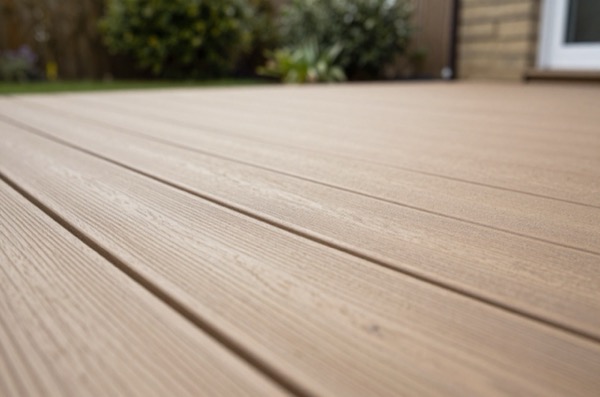
| Decking platform (pressure-treated timber) | £800–£2,500 |
| Electrical supply (32 A circuit from consumer unit) | £600–£1,200 |
| Crane lift over house (if access is restricted) | £400–£800 |
| Delivery and positioning (typical) | £100–£300 |
Most rigid spas require a 32 A dedicated circuit (some 50 A for larger units or swim spas) installed by a qualified electrician under Part P of the Building Regulations. Inflatable tubs typically run from a standard 13 A socket, though the socket should be RCD-protected and ideally on a dedicated circuit.1
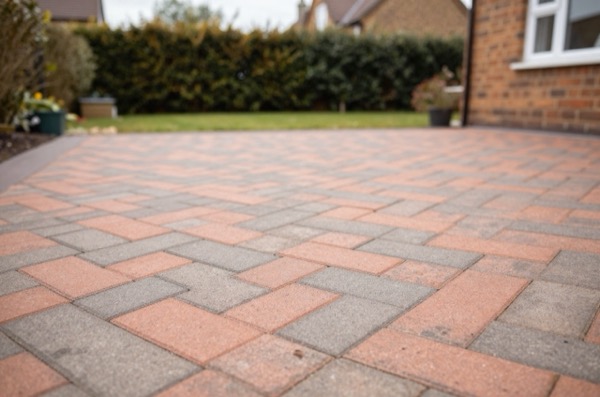
A concrete or paving slab base is essential, the manufacturer’s warranty is usually void if the tub is sited on soft or uneven ground. A 2.4×2.4 m spa filled with water and six adults weighs approximately 2–3 tonnes.
Monthly Running Costs
The biggest ongoing expense is electricity. UK running cost calculations use the current Ofgem-regulated energy price cap for electricity, in mid-2026 approximately 24–25p per kWh for a typical rate.
| Tub type | Insulation quality | Monthly electricity | Monthly chemicals | Total per month |
|---|---|---|---|---|
| Inflatable (4-person) | Poor | £80–£140 | £20–£35 | £100–£175 |
| Entry rigid (4-person) | Partial foam | £60–£110 | £20–£40 | £80–£150 |
| Mid-range rigid (5–6 person) | Full foam | £50–£90 | £25–£45 | £75–£135 |
| Premium rigid (6–8 person) | Full foam + insulated cover | £45–£80 | £30–£50 | £75–£130 |
| Wooden (wood-fired) | N/A | £5–£15 (pump only) | £20–£35 | £25–£50 |
Heat retention is the single biggest variable. A full-foam-insulated spa with a well-fitting hard cover typically uses 3–5 kWh per day to maintain 38°C in winter, roughly £25–£38 per month at current rates. A poorly insulated unit under the same conditions can use 8–12 kWh per day, £58–£90 per month just on standby heating.
Tips for reducing running costs:
- Keep the cover on whenever the tub is not in use, up to 70% of heat loss is through the surface
- Lower the temperature to 36°C rather than 40°C when the tub will be unused for several days; dropping 4°C saves roughly 10–15% in running costs
- Run filtration cycles during off-peak Economy 7 hours if you have that tariff
- Check and replace the cover every 4–6 years, a waterlogged cover insulates far less effectively
- Add a floating thermal blanket (£30–£80) to reduce surface heat loss further
Planning Permission
Hot tubs in rear gardens generally fall under Permitted Development in England and do not need planning permission. Check if your property is in a conservation area or if your PD rights have been removed via an Article 4 Direction.2
An electrical connection to an outdoor installation must comply with Part P of the Building Regulations. A qualified electrician should sign off the work and issue a Building Regulations compliance certificate.1
Maintenance Schedule
| Task | Frequency | Annual cost (approx.) |
|---|---|---|
| Water chemistry testing and dosing | Weekly | £240–£480 (chemicals) |
| Filter cartridge cleaning | Monthly | - |
| Filter cartridge replacement | Every 1–2 years | £40–£150 |
| Full drain and refill | Every 3–4 months | £15–£30 (water) |
| Hard cover replacement | Every 5–7 years | £300–£700 |
| Annual service (pump, heater, jets check) | Annually | £100–£250 |
Inflatable vs Rigid Spa: Which Is Right for You?
If you are unsure whether you will use a hot tub regularly, an inflatable model is a sensible first step, the low capital outlay limits your risk. If you use it frequently for 12 months, that is a reasonable signal that a rigid spa will pay for itself in enjoyment and lower per-use cost.
The ongoing running-cost difference between an inflatable and a mid-range rigid spa is often surprisingly small in mild months, but diverges significantly in winter. If you intend to use the tub year-round, the insulation quality of a rigid spa makes it the more economical choice over a three-to-five-year horizon despite the higher upfront cost.
References (2)
Figures in this note were checked against the sources below on 14 September 2026. Superscript numbers in the text point to them. Every source the site cites, by topic.
- 1technicalvery strongMinistry of Housing, Communities and Local Government.RN-JYJ3I5The document that decides what electrical work a homeowner may legally do themselves, and the exact list of notifiable jobs. Regulation 12(6A), reproduced at paragraph 2.5, makes only three things notifiable: the installation of a new circuit, the replacement of a consumer unit, and any addition or alteration to existing circuits in a special location. Regulation 12(9) defines special location as, in a room containing a bath or shower, the zone extending vertically from finished floor level to 2.25 metres (or the shower head position if higher) and horizontally 600mm from the edge of the bath tub or shower tray. Paragraph 2.7 states that all other electrical installation work is not notifiable, namely additions and alterations to existing installations outside special locations, and replacements, repairs and maintenance anywhere. Paragraph 2.8 gives worked examples: a built-in cooker is not notifiable unless a new cooker circuit is needed, and connecting an electric gate or garage door to an existing isolator is not notifiable but running a new circuit from the consumer unit to that isolator is. Paragraph 2.2 confirms Part P reaches outdoor work including fixed garden lighting, pond pumps and outbuildings such as sheds, detached garages and domestic greenhouses. Notifiable work must be certified by self-certification by a registered competent person, third-party certification, or a building control body (paragraph 3.1), with the compliance certificate issued within 30 days (paragraph 3.4). Note that Approved Document P is a source of guidance rather than a ban: non-notifiable work still has to comply with BS 7671.
- 2technicalvery strongThe National Archives (legislation.gov.uk), legislation.RN-3LA2VCArticle 4(1) allows the Secretary of State or the local planning authority, where satisfied that it is expedient that development should not be carried out without permission, to direct that the permission granted by article 3 does not apply to all or any development of a Part, Class or paragraph of Schedule 2 in a specified area, or to any particular development. The procedures for making, modifying or cancelling a direction are set out in Schedule 3, and a direction does not affect development for which prior approval was granted before it took effect.
-
Approved Document P, Electrical safety: Dwellings, 2013 edition incorporating 2010 and 2013 amendments, Ministry of Housing, Communities and Local Government, accessed 14 September 2026. assets.publishing.service.gov.uk
-
The Town and Country Planning (General Permitted Development) (England) Order 2015, article 4: Directions restricting permitted development, The National Archives, accessed 14 September 2026. legislation.gov.uk