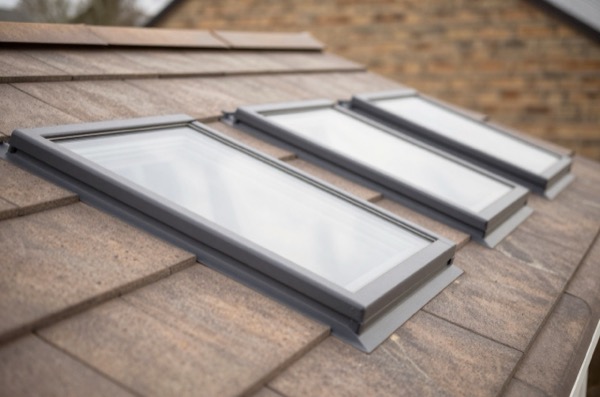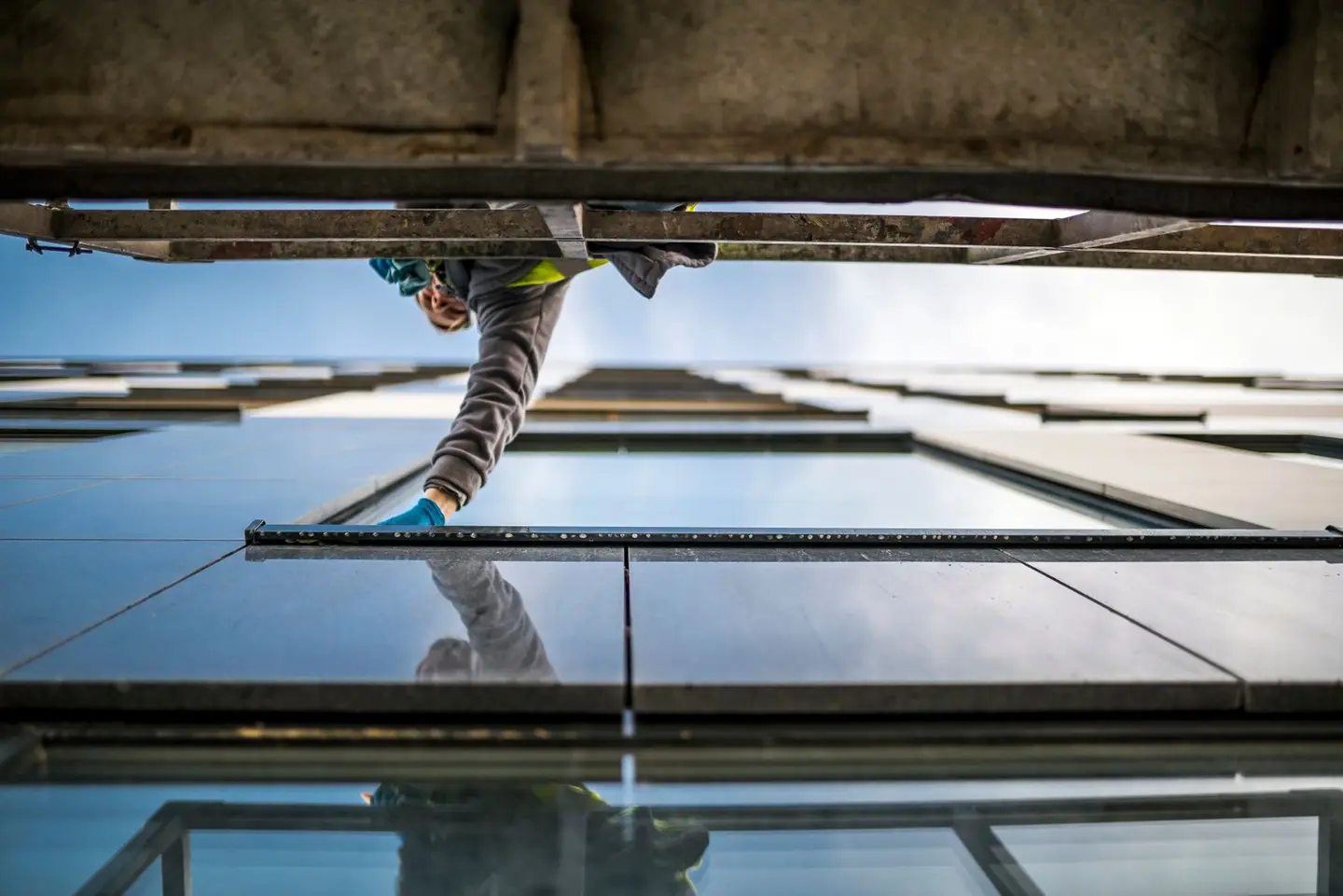
Velux roof windows are mechanically robust and can last 20–30 years with reasonable care, but they rely on several moving components, hinges, locking handles, top pivot pins, and draught seals, that need periodic attention. Neglecting them leads to stiff operation, draughts, condensation at the frame edges, and ultimately costly repairs that a simple service would have prevented.
In practice, most UK homeowners only service a Velux window after something noticeably goes wrong. A proactive approach costs far less than a reactive one.
What a Velux Service Involves
A thorough service of a roof window covers the following:
Mechanical components:
- Cleaning and lubricating the top pivot hinge and connecting rod mechanism
- Lubricating the winding gear (for centre-pivot models) or electric actuator linkage (for electric models)
- Checking and adjusting the locking handles and latch mechanism
- Inspecting and tightening any loose screws on the frame or hardware
Seals and weatherproofing:
- Inspecting the draught seal (brush pile or foam strip) around the sash perimeter and replacing if compressed or torn
- Checking the compression seal at the flashing collar, where the frame meets the roof
- Inspecting flashings for lifted edges, cracked sealant, or moss growth that could direct water to the frame
Glass and frame:
- Cleaning the frame channels and drainage slots
- Checking the glazing unit for seal failure (indicated by condensation between panes)
- Inspecting the frame for any signs of rot (timber-framed models) or corrosion at fixings
Controls (electric and solar models):
- Testing the motor operation and rain sensor
- Checking the remote or wall switch pairing
- Inspecting wiring connections at the actuator
Cost of Velux Servicing (UK, 2026)
| Service type | Typical cost (per window) |
|---|---|
| Basic service (lubrication, seal check, adjustment) | £80–£130 |
| Full service including minor seal replacement | £120–£180 |
| Full service + flashing inspection on roof | £150–£250 |
| Electric model full service | £140–£220 |
| Service visit call-out (multi-window discount often available) | £50–£80 call-out, then per-window rate |
Contractors who specialise in roof windows, rather than general builders, tend to be both cheaper and more thorough. Velux has an official service network, but independent roofers and window specialists generally charge less and carry the same parts.
If you have several roof windows, booking a single visit for all of them reduces the per-window cost by £20–£40 compared to separate call-outs.
How Often Should You Service a Velux Window?
| Usage and environment | Recommended interval |
|---|---|
| Light use, sheltered location, modern flashing | Every 3 years |
| Normal use, typical UK climate | Every 2 years |
| Heavy use, exposed location (wind, salt air), or older pre-2000 installation | Annually |
| After any visible problem (stiffness, draught, leak) | Immediately |
Velux’s own published guidance suggests annual inspection and a professional service every two to three years. In practice, a homeowner can carry out a basic visual and lubrication check themselves annually (see below) and reserve the professional service for every other year.
DIY Servicing: What You Can Do Yourself
A basic annual check takes 20–30 minutes per window and requires no specialist tools:
- Lubricate the hinges: Use a PTFE spray or silicone lubricant (not WD-40, which attracts dust and degrades rubber seals). Apply to the top pivot pins and the connecting rod linkage, wiping away any excess.
- Lubricate the winding gear: A small amount of silicone grease on the worm gear of centre-pivot models keeps operation smooth. Access via the small plastic cover inside the frame.
- Check the draught seal: Run your finger around the sash edge with the window closed, any gaps or compressed areas where light is visible are worth flagging for a professional replacement.
- Clear drainage slots: The frame has small drainage channels at the bottom corners. Clear any debris with a fine brush or compressed air.
- Inspect the flashing: From ground level with binoculars, look for any lifted lead soakers, cracked sealant at the upstand, or moss accumulation around the flashing collar. If in doubt, arrange a roofer to inspect from the roof.
Do not attempt to adjust the top pivot mechanism or replace compression seals without reference to the model-specific Velux service manual, incorrect adjustment can cause the window to bind or fail to close flush.
Servicing vs Repair vs Replacement
| Condition | Likely action |
|---|---|
| Stiff operation, minor draught | Service: lubrication and adjustment |
| Visible draughts, worn brush seal | Service + seal replacement |
| Water entry at frame-to-roof joint | Flashing repair (separate to window service) |
| Condensation between glass panes | Glazing unit replacement (£150–£350 per unit) |
| Cracked or rotting timber frame | Frame replacement or full window replacement |
| Electric model non-responsive | Service, then component replacement if needed |
| Window over 20–25 years old with multiple issues | Consider full replacement (£500–£1,200 supply and fit) |
Velux Guarantees and Warranties
New Velux windows installed from 2010 onwards typically carry a 10-year product guarantee and a 20-year guarantee on the glazing unit. Failure to carry out basic maintenance as described in the product literature can void the warranty on mechanical components, so keeping a note of service dates is worthwhile if your windows are still within the guarantee period.
For windows installed before 2010, parts are generally still available directly from Velux UK or from specialist suppliers, discontinued models are typically supported for at least 20 years after last production.