Choosing the right floor covering is one of those decisions that looks simple until you’re standing in a showroom trying to choose between half a dozen products that all look similar. Engineered wood, luxury vinyl tile (LVT), and laminate each fill a different niche, and picking the wrong one for a room’s conditions is the most common and most expensive flooring mistake homeowners make.
This guide compares all three on cost, durability, water resistance, and the rooms they genuinely suit, using 2026 UK trade and retail pricing.
Engineered Wood Flooring
What It Is
Engineered wood has a real hardwood wear layer (typically 3–6 mm thick) bonded to a multi-ply core of softwood or HDF.1 The cross-ply construction limits expansion and contraction, which is why it can be used in situations where solid hardwood cannot, including over underfloor heating and in rooms with moderate humidity fluctuation.
The wear layer thickness matters: a 3 mm layer can be sanded once or twice; a 6 mm layer can be sanded three or four times over its life. Budget boards often use a 2 mm layer that cannot be meaningfully sanded.
Cost
| Grade | Supply only (£/m²) | Fitted (supply + labour) |
|---|---|---|
| Budget (2 mm wear layer, oak) | £18–£28 | £38–£52/m² |
| Mid-range (4 mm wear layer) | £35–£55 | £58–£80/m² |
| Premium (6 mm, wide plank) | £60–£100 | £85–£130/m² |
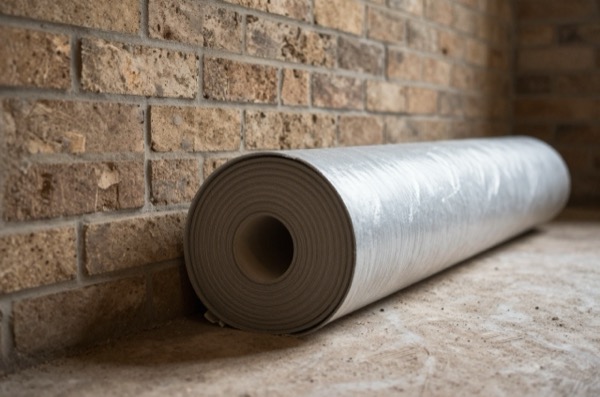
Fitting typically costs £15–£22/m² for a click-float installation on a prepared subfloor. Add £8–£15/m² if the fitter needs to prepare a rough or uneven subfloor. Underlay adds £2–£5/m² if not included.
Durability
A mid-range engineered floor with a hardwood wear layer rates at around AC4 in commercial terms, which translates to 15–25 years in a domestic setting with normal care. The finish (lacquered, oiled, UV-cured) affects how easy it is to spot-repair: oiled floors can be touched up locally; lacquered ones need a full sanding if they’re damaged.
Best Rooms
Living rooms, dining rooms, bedrooms, and hallways. Usable in kitchens and open-plan spaces provided spills are wiped promptly. Not recommended for bathrooms or wet rooms, or rooms directly on a damp concrete slab without a DPC and appropriate underlay.
LVT (Luxury Vinyl Tile / Plank)
What It Is
LVT is a multi-layer synthetic product: a rigid or flexible core (stone plastic composite, SPC, or wood plastic composite, WPC), a high-resolution printed decor layer, and a clear wear layer rated by thickness. The photographic print layer has reached a standard where mid-priced products are visually indistinguishable from wood or stone at normal viewing distances.
LVT divides into two main constructions:
- Flexible LVT, thinner (2–4 mm), follows subfloor contours, glued or loose-laid
- Rigid core LVT (SPC/WPC), 5–8 mm, click-fit, bridges minor subfloor irregularities, more comfortable underfoot
Cost
| Type | Supply only (£/m²) | Fitted |
|---|---|---|
| Flexible LVT (glue-down) | £12–£222 | £28–£42/m² |
| Rigid core LVT click-fit | £18–£353 | £33–£55/m² |
| Premium rigid core (herringbone, SPC) | £30–£50 | £50–£75/m² |
Labour for LVT is typically £10–£18/m² for click-fit, or £14–£24/m² for glue-down (which requires a more precisely prepared subfloor). Subfloor levelling is often required for glue-down installs.
Durability
The wear layer thickness (measured in mil or mm) is the key spec: 0.3 mm (12 mil) suits light domestic use; 0.5 mm (20 mil) suits heavy domestic or light commercial; 0.7 mm+ suits commercial or very heavy use. A 0.5 mm wear layer on a domestic LVT typically lasts 20–25 years before showing meaningful wear through.
LVT is fully waterproof, the core and wear layer do not absorb moisture. It won’t swell, delaminate, or warp from standing water, which makes it the only sensible choice among the three for wet rooms, bathrooms, and utility rooms.
Best Rooms
All rooms, including bathrooms, en-suites, utility rooms, and kitchens. Particularly good for high-traffic ground floors and for rooms with potential moisture exposure. The main limitation is that cheap products with very thin wear layers scratch in kitchens, and rigid SPC can sound hollow underfoot without a good integrated underlay.
Laminate Flooring
What It Is
Laminate is HDF (high-density fibreboard) with a photographic decor layer and a clear melamine wear layer. It looks similar to LVT from a distance but is fundamentally different in composition: the core is wood-based and will swell if it gets wet. Modern “waterproof” laminate products use a water-resistant HDF core and sealed joints, which slows moisture ingress but does not make the product genuinely waterproof.
Cost
| Grade | Supply only (£/m²) | Fitted |
|---|---|---|
| Budget (7 mm, AC3) | £6–£14 | £20–£32/m² |
| Mid-range (8–10 mm, AC4) | £14–£244 | £30–£46/m² |
| Premium (12 mm, AC5, wide plank) | £22–£38 | £40–£60/m² |
Labour for laminate click-fit is £12–£20/m². It’s the quickest of the three to install and has the lowest fitting costs.
Durability
The Abrasion Class (AC) rating governs wear resistance: AC3 suits light domestic use; AC4 suits general domestic and light commercial; AC5 is heavy commercial. For a busy family home, AC4 at 10 mm is the minimum worth considering. Budget 7 mm AC3 products dent and scratch within a few years in a hallway or kitchen.
Laminate cannot be sanded or refinished. When it wears through or chips, the damaged planks must be replaced, which is difficult without spare stock in the same batch (shading drifts between batches). Factor this into your decision if you’re installing in a room with heavy use.
Best Rooms
Bedrooms, studies, and rooms with light foot traffic where cost is a priority. Workable in living rooms with AC4+ grade. Avoid in kitchens and bathrooms unless you use a dedicated waterproof laminate and maintain the joins scrupulously. Not suitable for rooms at or below ground level with any damp risk.
Side-by-Side Comparison
| Feature | Engineered Wood | LVT (Rigid) | Laminate |
|---|---|---|---|
| Typical fitted cost | £55–£90/m²5 | £35–£55/m² | £25–£45/m² |
| Water resistance | Moderate | Full | Low–Moderate |
| Underfloor heating | Yes (most) | Yes | Yes (max 27°C surface) |
| Can be refinished | Yes (1–4× depends on wear layer) | No | No |
| Comfort underfoot | Very good | Good with underlay | Good at 12 mm |
| Lifespan (typical domestic) | 20–30 years | 20–25 years | 10–20 years |
| Acoustic performance | Good | Fair–Good | Fair |
| Suitable for bathrooms | No | Yes | No (generally) |
Installation Considerations
All three are available as floating click-fit systems that a competent DIYer can install. The main preparation requirement is a flat, solid subfloor: most manufacturers specify a tolerance of ±3 mm under a 2 m straightedge for click-fit products.67 Flex LVT tolerates minor irregularities; rigid core LVT and laminate will rock and creak over humps or depressions.
Expansion gaps are required at all walls and fixed objects: typically 10–12 mm for laminate, 8–10 mm for rigid LVT, and as specified by the manufacturer for engineered wood (some engineered boards can be glued direct).
For rooms above 30 m², laminate and floating LVT often benefit from a break or T-bar at doorways to allow the floor to move.
Which to Choose?
- Wet rooms or kitchens: LVT is the only safe choice. Engineered wood and laminate both carry moisture risk in sustained wet environments.
- Living rooms and hallways: Engineered wood justifies its higher cost if you want a floor you can refinish and that holds its value. LVT at 0.5 mm wear layer is a close second.
- Bedrooms: All three work well; laminate at AC4 is the most cost-effective.
- Over underfloor heating: Engineered wood and LVT both work; check manufacturer’s maximum surface temperature (usually 27–28°C).8 Laminate also works but is more susceptible to joint movement with temperature cycling.
- Rentals and short-term budgets: LVT at the mid-range gives the best durability-to-cost ratio and handles tenant abuse without swelling.
References (8)
Figures in this note were checked against the sources below on 12 September 2026. Superscript numbers in the text point to them. Every source the site cites, by topic.
- 1technicalfairWhich?.RN-X61ZSFWhich? on the types of wood flooring: solid, engineered and laminate, and what each suits. A consumer body, so it is useful for framing the choice and one step removed from the installation detail.
- 2costsupplier figureSelco Builders Warehouse.RN-7SVJW5A price, true at 2026-09. Selco's product page for rigid core SPC click vinyl flooring with integrated underlay, sold by the pack with its coverage stated. A builders' merchant trade price rather than a retail one, which is the cheaper end of the same product.
- 3costsupplier figureBuilder Depot.RN-S1CBP9A price, true at 2026-09. the retail price Builder Depot publishes for Vinyl Flooring, Vinyl Floor Tiles, LVT Flooring, which is the supply figure the cost book records for this item
- 4costsupplier figureFlooring Superstore.RN-2WQ2CQA price, true at 2026-09. the retail price Flooring Superstore publishes for Super 8mm Carpet Underlay, which is the supply figure the cost book records for this item
- 5costsupplier figureCountryLife Flooring.RN-E1Z1X4A price, true at 2026. CountryLife Flooring publishing its own price guidance for this work. A trade supplier writing about what it charges is evidence of the market rate and not a quotation, and the cost book treats it as one figure among several rather than on its own
- 6technicalgoodThe Concrete Society, guidance.RN-T4RJH9The Concrete Society's explanation of the straightedge method for measuring floor surface regularity, as set out in BS 8204. A 2 metre straightedge is laid on the surface and the maximum deviation beneath it recorded, which is how an SR1, SR2 or SR3 tolerance is actually checked. This is the test behind an argument about whether a screed is flat enough for the floor finish going on it.
- 7technicalsupplier figureForbo Flooring Systems.RN-NYARMKForbo on surface regularity, a flooring manufacturer's guidance on how flat a subfloor has to be before their product goes down. A maker's own tolerance, which is what a warranty claim is judged against.
- 8technicalfairWhich?, guidance.RN-ZYIPE1Which? on choosing underfloor heating: wet against electric, what suits a retrofit as opposed to a new floor, and how floor covering and insulation affect the result. A consumer body, so it is one step removed from the installation detail, and useful for framing the choice rather than for the numbers.
-
Types of wood flooring, Which?, accessed 12 September 2026. which.co.uk
-
Luxury Rigid Click Silver Oak SPC Vinyl Flooring with Integrated Underlay 2.167m2, Selco Builders Warehouse, accessed 18 September 2026. Priced at 2026-09, so no calibration is needed. selcobw.com
-
Vinyl Flooring, Vinyl Floor Tiles, LVT Flooring, Builder Depot, accessed 15 September 2026. Priced at 2026-09, so no calibration is needed. builderdepot.co.uk
-
Super 8mm Carpet Underlay, Flooring Superstore, accessed 15 September 2026. Priced at 2026-09, so no calibration is needed. flooringsuperstore.com
-
Flooring Cost Guide 2026, Prices Per m2 (UK), CountryLife Flooring, accessed 15 September 2026. Priced at 2026, so no calibration is needed. countrylifeflooring.co.uk
-
Surface regularity – straightedge method, The Concrete Society, accessed 7 September 2026. concrete.org.uk
-
From The Ground Up: Surface Regularity, Forbo Flooring Systems, accessed 12 September 2026. forbo.com
-
Three steps to getting the best underfloor heating for your home, Which?, accessed 12 September 2026. which.co.uk