There is something that new materials cannot replicate in reclaimed brick, worn stone, or timber that has darkened over a century. Beyond aesthetics, reclaimed materials often make practical sense for matching existing fabric in older properties, satisfy conservation officers on listed buildings, and divert material from demolition waste. They also carry real risks, variable quality, inconsistent sizing, hidden contaminants, that make buying them a skill in its own right.
This guide covers the main material types, where to source them, what to pay, how to check quality, and what to expect during use.
Why Use Reclaimed Materials?
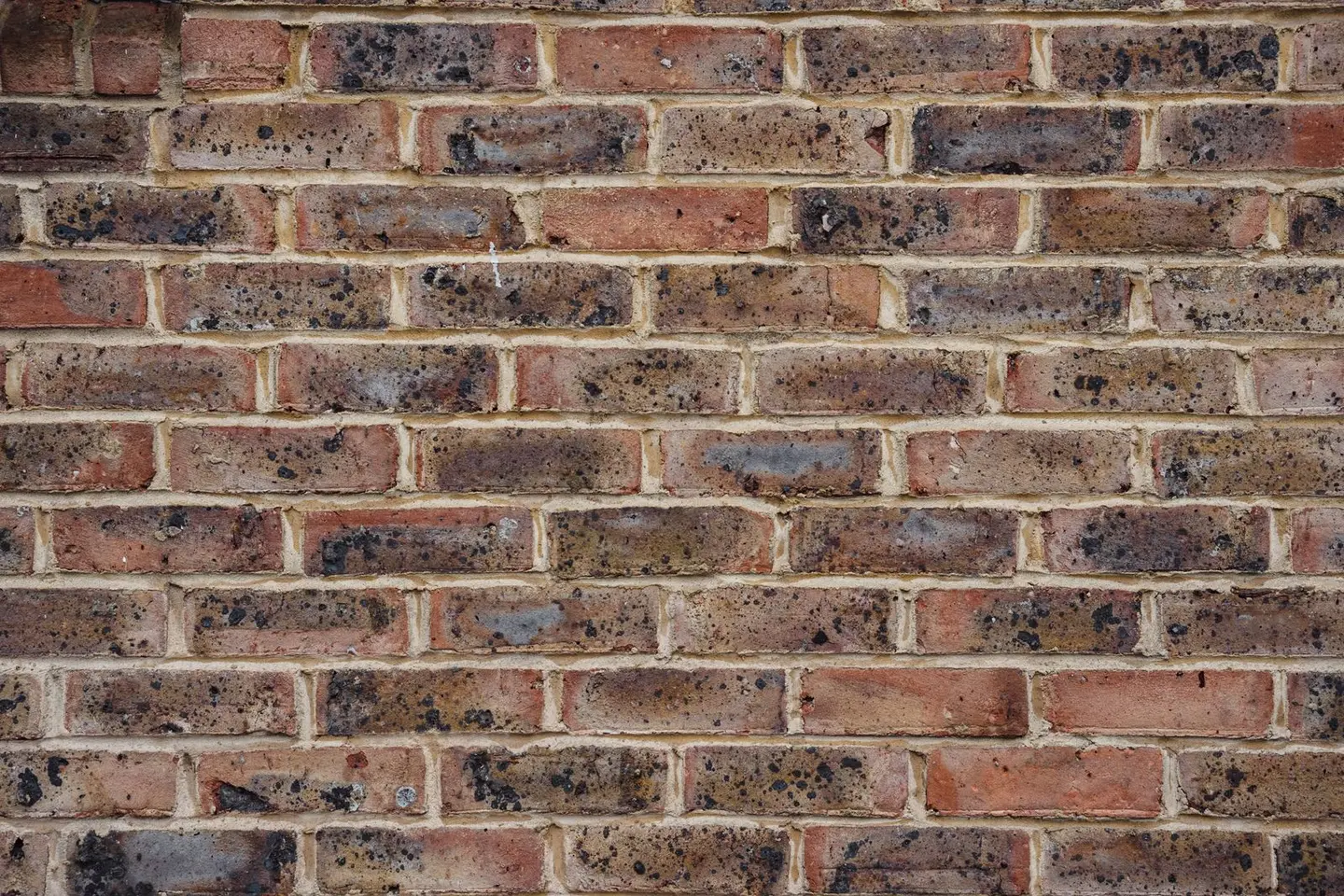
Character: A 1930s reclaimed Fletton brick carries a patina and variation in colour that modern bricks from the same area cannot match. Reclaimed oak flooring typically shows the grain and figuring of slower-grown timber felled before modern forestry practices became standard.
Matching existing fabric: When extending a Victorian terrace or repairing a Georgian building, the nearest matching new brick may still look conspicuously different. Reclaimed material from the same period and region is often the only way to achieve a convincing match. Planning authorities frequently require this in conservation areas.
Listed buildings: Conservation officers generally favour, and sometimes require, the use of reclaimed or traditional materials for repairs and alterations to listed buildings. Using modern equivalents on a listed building without consent risks enforcement action.
Environmental: Reusing existing material avoids the embodied carbon in manufacturing new products. Reclaimed brick, for example, is not kiln-fired again; it arrives at the site with its carbon already spent.
Types of Reclaimed Material
Bricks
The most commonly sought reclaimed material. Types include:
- London stock bricks: Yellow-buff handmade bricks, characteristic of Georgian and Victorian London and the Home Counties. Highly sought for matching existing work.
- Wirecut and pressed bricks: Machine-made bricks from the late Victorian period onwards, more regular in dimension but still aged in appearance.
- Engineering bricks: Blue or red dense bricks used for DPC courses, retaining walls, and industrial buildings. Harder and less porous than facing bricks.
- Handmade bricks: Irregular, soft-faced bricks showing thumbprints or sand-drag textures; common in pre-Victorian buildings.
Stone Flags and Sets
Reclaimed York stone paving, Caithness stone, sandstone flags, and granite setts. Highly variable in thickness (typically 25–75 mm), which must be allowed for in bedding depth. Popular for patios and paths where a worn, natural look is valued.
Reclaimed Timber
Includes structural oak beams, pine and fir floorboards, railway sleepers, and hardwood such as teak or iroko salvaged from industrial floors or ship decking. Structural reclaimed timber for new structural use requires assessment for grade, defects, and treatment history.
Roof Tiles and Slates
Plain clay tiles, plain concrete tiles, handmade clay peg tiles, and natural slate (Welsh, Westmorland, Spanish). Matching a failing roof section in an older property is often only achievable with reclaimed material of the right type and colour.
Cast-Iron and Architectural Ironmongery
Fireplaces, radiators, baths, boot scrapers, rainwater goods (hoppers, downpipes, gutters), and decorative brackets. Cast-iron items are durable but heavy and require inspection for cracks, especially around fireplace fireboxes and radiator sections.
Where to Source Reclaimed Materials
Salvage yards: The most reliable source for quality-checked material. Good yards sort and clean bricks, grade timber, and often know the provenance of their stock. Prices are higher than buying from demolition sites but the quality control is generally worth it. The SALVO network and individual yards advertising online are the main starting points.
Online marketplaces: eBay, Gumtree, and Facebook Marketplace carry a large volume of private seller listings. Prices are often lower than salvage yards but quality is inconsistent and viewing in person before collection is strongly recommended.
Demolition contractors: If a building is being demolished in your area, approaching the contractor directly can yield material at low cost or sometimes free in exchange for clearing it promptly. This requires flexibility on timing and condition.
Architectural antique dealers: Typically focus on decorative and architectural salvage, fireplaces, ironmongery, fixtures, rather than raw building materials. Prices reflect rarity and condition.
Price Comparison: Reclaimed vs New (2026)
| Material | Reclaimed | New Equivalent | Notes |
|---|---|---|---|
| London stock brick (per brick) | £0.80–£2.50 | £0.50–£1.20 | Reclaimed premium reflects scarcity and cleaning1 |
| Engineering brick (per brick) | £0.60–£1.50 | £0.40–£0.80 | Less premium on common blue engineering bricks |
| York stone paving (per m²) | £50–£150 | £40–£100 (Indian sandstone) | True York stone vs imported alternatives |
| Reclaimed Welsh slate tile (per tile) | £2–£8 | £1–£4 (Spanish slate) | Welsh slate vs Spanish; very different character |
| Reclaimed oak flooring (per m²) | £35–£80 | £40–£100 (new engineered oak) | Reclaimed often solid; new may be engineered |
| Reclaimed pine floorboards (per m²) | £20–£50 | £25–£60 (new solid pine) | Reclaimed shows character; new is cleaner |
| Cast-iron radiator (per section) | £15–£50 | £30–£80 (new reproduction) | Reclaimed requires pressure testing |
Prices vary considerably by region, scarcity of type, and condition. London and the South East show the highest premiums on sought-after London stock bricks and York stone.
Quality Checks Before Buying
Bricks
- Spalling: Frost action causes the face of a brick to delaminate and crumble. Tap each brick, a good brick rings clearly; a spalled or cracked one sounds dull. Avoid any brick showing surface flaking, as it will continue to degrade.
- Softness and porosity: Pre-Victorian handmade bricks are softer than their modern equivalents and must be used with lime mortar, not OPC (ordinary Portland cement). Using hard cement mortar with soft reclaimed brick causes the brick face to fail as the mortar cannot flex with movement. Always match mortar type to brick hardness.
- Consistent size: Expect variation of 5–10 mm in both length and height across a batch of handmade bricks. This is inherent to the material; coursing and jointing must accommodate it. Machine-made reclaimed bricks are more consistent.
- Quantity: Order 5–10 % more than you calculate you need. Breakage during cleaning and laying, and the difficulty of sourcing additional matching material later, make over-ordering sensible.
Timber
- Deathwatch beetle and woodworm: Look for flight holes (small round holes, 1–3 mm diameter) on the surface. Active infestation produces fresh frass (dust). Structural timber with significant deathwatch beetle damage (common in oak beams) may be compromised; specialist treatment or replacement is required.
- Hidden nails: Reclaimed floorboards and structural timber almost always contain old cut nails or wire nails embedded below the surface. Running reclaimed timber through a planer or saw without first de-nailing with a metal detector or by hand inspection risks damaging blades and creating a safety hazard.
- Movement after installation: Reclaimed timber that has been in a dry attic or demolition pile may re-absorb moisture after installation and cup or move. Acclimatising boards for several weeks in the installation environment before fitting reduces this. Gap between boards during installation to allow for some expansion.
- Species identification: If structural use is intended, confirm the timber species and have it assessed by a structural engineer or timber specialist before use in a load-bearing application.
Pre-1999 Materials: Asbestos
Any building material salvaged from structures built or refurbished before 2000 could contain asbestos. Materials of concern include: textured coatings (Artex), floor tiles (especially 9-inch vinyl asbestos tiles), ceiling tiles, roofing sheets, pipe insulation, and insulating board. If you are unsure about any salvaged material, do not cut, drill, or sand it, have a sample tested by an accredited laboratory before working with it. Asbestos testing by a UKAS-accredited lab costs around £20–£50 per sample.
Practical Considerations
Reclaimed brick:
- Mortar from demolition is tenacious. Cleaning reclaimed bricks (removing old mortar) is labour-intensive, allow for this in your budget if buying uncleaned. Cleaned bricks cost more but save significant time on site.
- Old lime mortar joins often mean bricks come apart cleanly with a bolster; OPC-jointed bricks are harder to salvage intact.
- Reclaimed bricks used externally may need re-pointing sooner than new brickwork, particularly if the batch includes some softer units.
Reclaimed timber flooring:
- Inspect and de-nail every board before machining.
- Thickness varies within a batch; thicker boards need to be run through a thicknesser to a consistent depth before fitting.
- Surface finishing with hardwax oil or a penetrating treatment suits reclaimed wood better than thick lacquers, which can peel as the timber continues to move.
Planning and Listed Building Considerations
In conservation areas, the use of matching reclaimed materials for extensions or repairs can be a condition of planning consent. Conservation officers are familiar with reclaimed sourcing and may specify particular brick types, mortar specifications, or tile profiles.
For listed buildings, alterations require listed building consent, and the choice of materials forms part of that consent. Conservation officers will generally favour like-for-like reclaimed repair. Using non-matching modern materials on a listed building without consent is a criminal offence and can result in an enforcement notice requiring reinstatement.
Even outside listed building and conservation area designations, matching the existing material of a building is generally considered better practice by planners assessing extensions, a point worth noting in a design and access statement.
Visit the yard in person
Photographs of reclaimed bricks and stone are an unreliable guide to colour, texture, and condition. Where possible, take a sample of your existing brickwork to the salvage yard and compare under natural daylight. Batch colour can vary significantly even within the same yard, and what photographs as a match can look quite different on site.
References (1)
Figures in this note were checked against the sources below on 14 September 2026. Superscript numbers in the text point to them. Every source the site cites, by topic.
- 1costsupplier figureThe Brick Centre (thebrickcentre.co.uk).RN-J9URWVA price, true at 2026-09. the retail price The Brick Centre (thebrickcentre.co.uk) publishes for The Brick Centre / Valleys Group product feed, which is the supply figure the cost book records for this item
-
The Brick Centre / Valleys Group product feed, The Brick Centre (thebrickcentre.co.uk), accessed 15 September 2026. Priced at 2026-09, so no calibration is needed. thebrickcentre.co.uk