Taps are among the most handled fixtures in any home, yet they are often chosen on appearance alone. A beautiful tap that is incompatible with your water pressure will drizzle rather than flow; a chrome finish chosen for budget reasons in a hard-water area may look tired within two years. Getting brassware right means matching the product to your water system, understanding what the regulations require, and spending at the level that makes sense for how the bathroom will be used.
This guide covers every common tap type, the pressure numbers you need to know, finish durability, water regulations compliance, and what a plumber will charge to fit a full suite in 2026.
Tap Types Explained
Pillar Taps
Traditional separate hot and cold taps, each with its own hole in the basin or bath deck. They suit period-style bathrooms and older sanitaryware with pre-drilled twin holes. Hot and cold water control is separate, so blending to a comfortable temperature requires alternating between the two, less convenient than a mixer. Pillar taps are generally low-pressure-tolerant and can work on gravity-fed systems.
Mono Basin Mixer Taps
A single unit with a central spout and one or two levers, fitted through a single 35 mm hole. The dominant choice for contemporary basins. Some mono mixers have a pop-up waste mechanism built into the drain rod, confirm the basin’s pre-drilled hole pattern matches before ordering. Most require a minimum dynamic pressure of 0.5 bar; low-pressure variants work from 0.1 bar and are labelled accordingly.
Bath Filler Taps
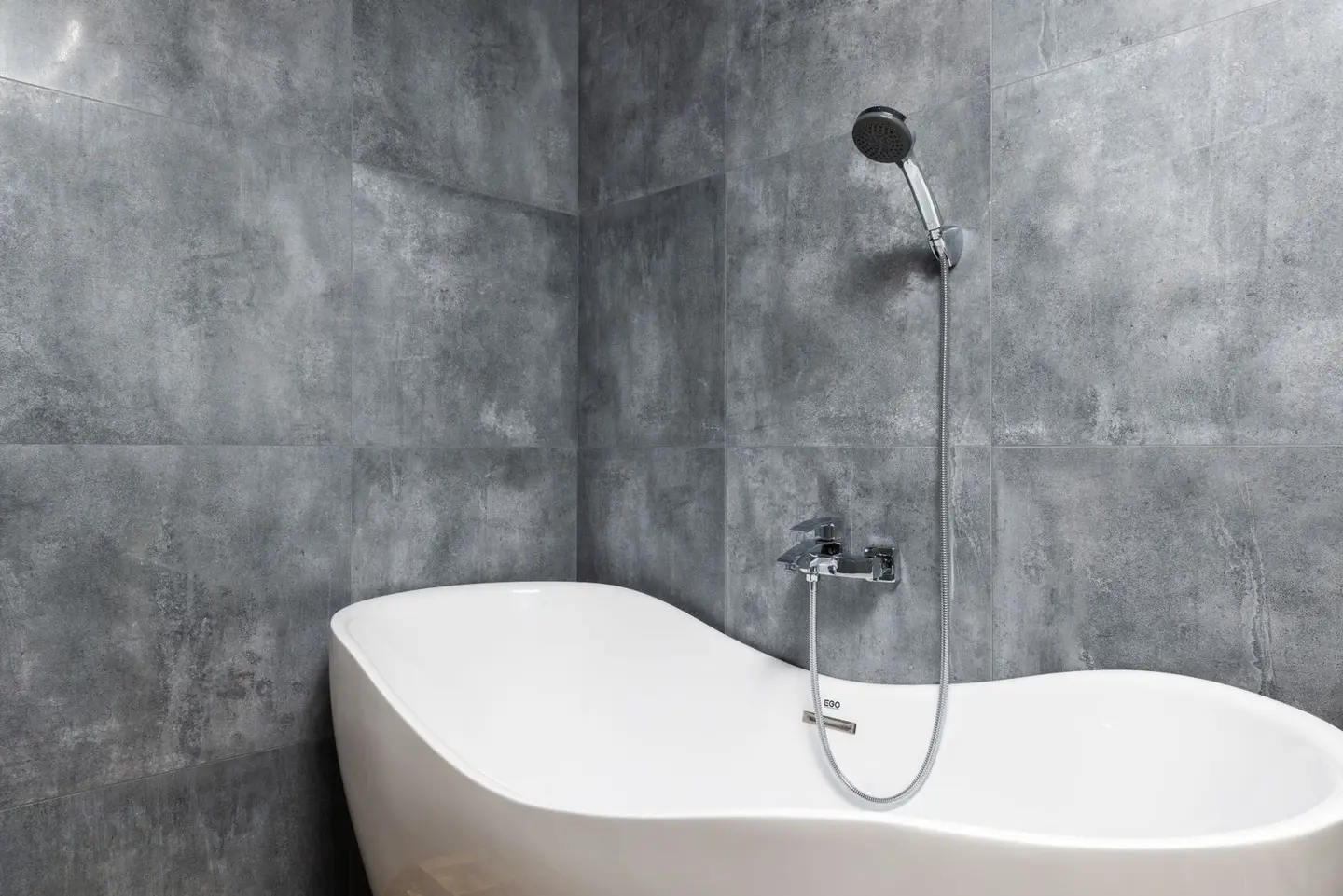
Floor-standing or deck-mounted taps designed to fill a bath, usually with a separate hand shower attachment (the “telephone” or “deck shower”). Floor-standing fillers are a statement piece most associated with freestanding baths and require pipework to be routed under the floor, a job that is significantly more complex in an existing bathroom than in a new build. Deck-mounted fillers on a bath rim are simpler to plumb. High-flow bath fillers require good pressure (typically 1.0 bar or above) to fill a bath in a reasonable time.
Wall-Mounted Taps
Basin or bath taps that emerge from the wall rather than the fixture itself. They require in-wall pipework and a concealed rough-in valve, so they are most practical when walls are being built or re-tiled anyway. The basin or bath can sit closer to the wall with a cleaner profile, but access for maintenance is more involved.
Thermostatic Bar Valves (Shower)
A bar valve mounts horizontally on the wall and contains a thermostatic cartridge that maintains a preset water temperature regardless of fluctuations elsewhere in the system. This is the standard control for a fixed shower head with a separate hand shower. Thermostatic valves are strongly recommended over manual valves where children or elderly people use the shower, scald risk is significantly reduced. Many thermostatic bars include a separate volume control so you can stop flow without losing the temperature setting.
Pressure Requirements
Water pressure is the most common reason a tap underperforms. The two figures that matter are static pressure (when no water is flowing) and dynamic pressure (when water flows, measured at the tap inlet). Dynamic pressure is always lower and is the figure that determines whether a tap will work.
| Tap / System Type | Minimum Dynamic Pressure | Typical Use Case |
|---|---|---|
| Standard basin mixer | 0.5 bar | Combi boiler, mains pressure unvented cylinder |
| Low-pressure basin mixer | 0.1 bar | Gravity-fed vented cylinder, cold-water tank |
| Standard bath filler | 1.0 bar | Combi or unvented cylinder |
| Thermostatic bar valve (most) | 0.5–1.0 bar | Combi or unvented; check manufacturer data |
| Thermostatic bar valve (low-pressure) | 0.1–0.2 bar | Gravity-fed systems |
Combi boilers deliver mains-pressure hot water and typically produce 1.0–3.0 bar dynamic pressure at the tap, well above most requirements. Unvented (pressurised) cylinders work similarly. Vented cylinders with a cold-water tank in the loft produce gravity pressure that depends on the vertical height between the tank’s water surface and the tap, roughly 0.1 bar per metre of head. A tank 2 m above the tap gives approximately 0.2 bar, which rules out most standard mixers and requires low-pressure-rated products.
If you are unsure of your system pressure, a plumber can measure it in minutes with a pressure gauge.
WRAS Approval
The Water Regulations Advisory Scheme (WRAS) tests products for compliance with the Water Supply (Water Fittings) Regulations 1999. Any tap or fitting installed in a UK property connected to the mains supply must comply with these regulations. WRAS-approved products have been independently tested and certified; approval is indicated on product packaging and in manufacturer documentation.
Using non-WRAS-approved fittings is technically a contravention of the Water Fittings Regulations and can complicate insurance claims or property sales. When buying taps, particularly budget products or those from overseas marketplaces, check for WRAS approval before purchase.
Flow Rate Regulations (Part G)
Building Regulations Approved Document G (Sanitation, hot water safety and water efficiency) sets maximum water consumption figures for new dwellings:
- Basin taps: maximum flow rate of 8 litres per minute
- Shower heads / handsets: maximum flow rate of 12 litres per minute
- Baths: no individual flow rate limit, but total dwelling consumption should not exceed 125 litres per person per day
For planning purposes, most water-efficient taps will already meet Part G. For existing properties being refurbished rather than newly built, these limits apply when a new fitting is installed in connection with a building notice or full plans application.
Finish Types and Durability
| Finish | Character | Care | Durability Notes |
|---|---|---|---|
| Chrome | Bright, reflective | Easy; wipe with damp cloth | Highly durable; shows water spots in hard-water areas |
| Brushed chrome / nickel | Satin, muted metallic | Easy; hides fingerprints well | Very durable; consistent with use |
| Brushed brass | Warm gold tone | Avoid abrasive cleaners | PVD-coated versions last well; lacquered versions can tarnish |
| Matt black | Contemporary, bold | Wipe dry after use; avoid limescale removers | Surface coatings can wear at contact points over time |
| Unlacquered brass | Living-finish patina | Develops patina naturally | Intended to age; not for those wanting a consistent look |
Hard water (most of England south and east of a line from Hereford to the Humber) accelerates limescale deposits on all finishes. Chrome and brushed nickel are the most forgiving. Matt black and unlacquered finishes require more diligent care in hard-water areas.
Budget Tiers (2026 Supply Prices)
| Tier | Basin Mono Mixer | Bath Filler | Thermostatic Bar Valve |
|---|---|---|---|
| Budget (£30–£80) | Basic chrome; limited cartridge life | Rarely available | Not recommended for thermostatic |
| Mid-range (£80–£300) | Quality cartridge; wider finish choice | Deck-mounted options; basic floor-standing | Reliable thermostat; most domestic use |
| Premium (£300–£1,200+) | Solid brass body; long warranties; designer finishes | Floor-standing fillers; high-flow; statement pieces | Dual-control; digital displays; concealed options |
For a bathroom that will be used daily by a family, mid-range is the sensible minimum, budget cartridges often need replacing within three to five years. Premium brassware from established manufacturers typically comes with ten-year guarantees on cartridges and finishes.
When to Use a Plumber
Fitting taps is notional DIY territory if supply isolation valves are already in place and the tap simply swaps like-for-like. In practice, most bathroom brassware replacement involves some degree of professional work:
- New installation or relocation: requires cutting into supply pipes, soldering or push-fitting new connections, and potentially moving waste positions. This is plumber territory.
- Floor-standing filler: pipework must be routed under the floor, a significant job in a timber-floor property and requires proper isolation valves accessible for future maintenance.
- Thermostatic shower bar: supply pipework must be balanced (hot and cold at similar pressures) for the thermostat to function correctly; a plumber should check this, particularly on gravity-fed systems.
Typical plumber costs (2026):
- Replace like-for-like basin tap: £80–£150 (including labour, excluding tap supply)
- Fit bath filler (deck-mounted) to existing connections: £100–£200
- Full bathroom suite of taps (basin, bath, thermostatic bar), labour only: £150–£400
- Floor-standing bath filler with new floor pipework: £250–£500+
Costs vary significantly by region, London and the South East run 20–30 % above the national average.
Practical Checklist Before Buying
- Identify your water system (combi, unvented cylinder, or gravity/vented) and check dynamic pressure if in doubt.
- Confirm the number of pre-drilled holes in your basin or bath deck, mono mixers need one hole, pillar taps need two.
- Check that the tap’s minimum pressure rating matches your system, especially on gravity-fed systems.
- Look for WRAS approval on the product listing or packaging.
- Choose a finish that suits your maintenance willingness and local water hardness.
- Budget for installation on top of the tap cost, even a straightforward swap involves more time than it looks.
Low-pressure systems need specific products
If your home has a gravity-fed vented cylinder, do not assume a standard basin mixer will work. Always check the manufacturer’s minimum pressure specification and buy products explicitly rated for low-pressure use. Fitting a standard tap to a gravity system results in poor flow that no amount of adjustment will fix.
The rules in this note are those that apply in England. Scotland, Wales and Northern Ireland have their own building standards and permitted development rights.