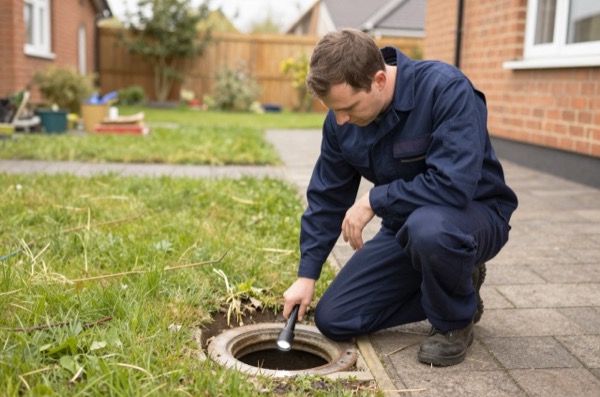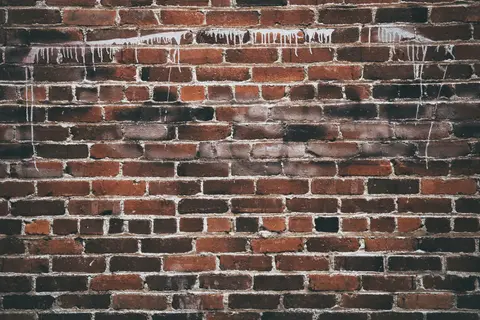
If you have noticed staining on walls, a musty smell, or peeling plaster, a damp survey is the logical starting point. A good survey will pinpoint whether you are dealing with rising damp, penetrating damp, condensation, or a plumbing leak, each of which has a very different solution and cost implication. This guide explains what a survey involves, what it should cost in 2026, and, crucially, how to get an unbiased report.
Types of Damp Survey
There is no single standardised product called a “damp survey.” What you get depends heavily on who you instruct.
Independent Inspection (Recommended)
An inspection carried out by a RICS-accredited surveyor or an independent specialist. They diagnose the cause of moisture, issue a written report, and, critically, have no financial incentive to recommend specific treatments. This is the type to commission if you are buying a property or want impartial advice before committing to remediation spend.
Damp-Proofing Company Survey
Many damp-proofing contractors offer “free surveys” or low-cost inspections. These should be treated with caution. Their business model depends on selling chemical injection, re-plastering, or drainage systems, and surveys from these companies have a well-documented tendency to over-diagnose rising damp. Independent studies consistently find that most cases attributed to rising damp by treatment companies are actually condensation or penetrating damp.
Damp and Timber Report
A combined report covering damp, woodworm, and timber rot, commonly commissioned by mortgage lenders or solicitors during property conveyancing. These are carried out by PCA (Property Care Association) registered surveyors and follow PCA Technical Standards. They are more comprehensive than a standalone damp inspection but cost more.
What Does a Damp Survey Cost?
| Survey Type | Typical Cost (2026) |
|---|---|
| Independent damp inspection (verbal + written report) | £200–£400 |
| RICS HomeBuyer Report (includes damp section) | £450–£1,000 |
| PCA damp and timber survey | £250–£5001 |
| Free survey from a treatment company | £0 (but potentially biased) |
| Detailed structural/building survey with damp assessment | £600–£1,500+ |
Costs vary by property size and region, surveys in London and the South East typically sit 20–30% above Midlands or Northern England rates.
What a Good Report Should Include
A professional damp survey report should set out:
- The type of damp identified, rising, penetrating, or condensation (most common), or a combination. Rising damp, where groundwater wicks up a masonry wall, is far less common than treatment companies suggest; genuine rising damp is relatively rare in post-1920 housing with intact DPCs.
- The source and mechanism, e.g. a failed cavity tray above a lintel, a cracked external render panel, mortar bridging across a cavity, or inadequate ventilation.
- Moisture readings, electrical resistance readings are indicative only and should be reported alongside plaster type, temperature, and relative humidity data.
- Recommended remediation, specific to the identified cause, not a default chemical injection programme.
- Approximate remediation cost, or at minimum an indication of the scope.
- Photographs, annotated to illustrate findings.
If a report recommends chemical damp-proof course injection without first ruling out penetrating damp and condensation as causes, treat the findings with scepticism.
The Rising Damp Debate
Rising damp is frequently misdiagnosed. The British Standard for damp investigation (BS 6576) requires that surveyors eliminate other moisture sources before attributing problems to rising damp. In older properties with solid brick walls, a combination of penetrating damp (through cracks, failed pointing, or bridged cavities) and condensation accounts for the majority of internal wall moisture. Treatment companies have a commercial incentive to recommend injection, it is straightforward work with good margins.
If you are told you have rising damp, getting a second opinion from an independent RICS surveyor before authorising any injection work is strongly advisable.
Rising Damp vs Penetrating Damp vs Condensation
| Feature | Rising Damp | Penetrating Damp | Condensation |
|---|---|---|---|
| Location of staining | Low down on walls (up to ~1 m) | Patches, often near windows, roof junction, or external face | Typically corners, cold surfaces, north-facing rooms |
| Pattern | Tide marks, salts | Follows water path | Widespread, diffuse |
| Seasonal variation | Year-round, worse in wet periods | Worse in driving rain | Worse in winter |
| Common cause | Failed or absent DPC | Cracked render, failed pointing, bridged cavity | Inadequate ventilation, cold bridging |
| Typical fix | DPC injection or replacement | External repair (pointing, render, flashing) | Ventilation, insulation, heating |
| Typical cost | £1,500–£3,500 (injection + replaster) | £200–£2,000 (depends on source) | £100–£800 (ventilation) |
Do You Need a Survey Before Remediation?
Yes, almost always. Commissioning remediation without a proper diagnosis is one of the most common home-improvement mistakes. Chemical DPC injection into a wall with no rising damp will not fix a ventilation problem, and re-plastering over condensation damp without addressing the source will fail within months.
The cost of an independent survey (£200–£400) is small relative to the cost of unnecessary or incorrectly specified treatment work.
How to Find a Reliable Surveyor
- RICS (Royal Institution of Chartered Surveyors): Use the RICS Find a Surveyor tool to locate Chartered Building Surveyors in your area. A CBS with damp investigation experience is the gold standard for impartial advice.
- PCA (Property Care Association): PCA members follow a code of practice and technical standards. Use the member search on the PCA website. Note that PCA members include treatment companies, look specifically for surveyors rather than contractors.
- Independent specialists: Some building pathologists offer standalone damp investigation services without affiliated remediation arms.
Always confirm before booking that the surveyor does not operate a linked remediation business, or, if they do, ask whether their survey findings are independently verified.
What Happens After the Survey?
Once you have a written report identifying the cause, you can obtain competitive quotes for the specific remediation required. For penetrating damp through failed pointing, a masonry repointing contractor is appropriate. For ventilation-related condensation, a mechanical ventilation with heat recovery (MVHR) unit, positive input ventilation (PIV) fan, or even improved extract ventilation may be all that is needed. For a genuine failed DPC, injection or physical replacement may be warranted, but this is the least common scenario.
A good surveyor will often provide a specification of remediation works as part of their report, which you can use to obtain like-for-like quotes from contractors.
References (1)
Figures in this note were checked against the sources below on 14 September 2026. Superscript numbers in the text point to them. Every source the site cites, by topic.
- 1costsupplier figureWimbledon Surveyors.RN-XQASXTA price, true at 2025-09. Wimbledon Surveyors publishing its own price guidance for this work. A trade supplier writing about what it charges is evidence of the market rate and not a quotation, and the cost book treats it as one figure among several rather than on its own
-
Damp and Timber Report Cost: Complete 2025 UK Pricing Guide, Wimbledon Surveyors, accessed 15 September 2026. Priced at 2025-09, so no calibration is needed. wimbledonsurveyors.com