A small garden does not have to feel cramped. With the right layout, planting choices, and storage solutions, even a 20–30 m² plot can serve as a usable outdoor room, growing space, and place to relax. The key is treating every surface, walls, fences, and vertical space, as usable area, and choosing features that serve more than one purpose.
The improvements that make the biggest difference are rarely the most expensive. Reorganising the layout, adding vertical planting, and removing unnecessary lawn can transform how a small garden feels before you spend a penny on furniture or lighting.
Start with Layout and Zoning
The most common mistake in a small garden is trying to fit too many separate elements without a clear plan. Cramming a lawn, a patio, a shed, a BBQ, and a flower border into a tiny space leaves every zone too small to work properly.
Zoning, dividing the garden into two or three distinct areas with a clear purpose each, makes a small garden feel larger and more deliberate. A typical approach is to dedicate one third to hard standing or decking for outdoor dining, one third to planting (including vertical and raised bed space), and keep the remaining area flexible or as a lawn substitute.
Diagonal layouts and curved paths create the impression of more space by drawing the eye across the width of the garden rather than straight to the back fence. This is one of the oldest tricks in garden design and costs nothing to implement at planning stage.
Vertical Gardening
Going vertical is the single most impactful strategy for small gardens. Walls and fences that are left bare are wasted planting space.
Trellis and climbing plants are the lowest-cost option. A timber trellis panel costs £20–£80 and can support climbers such as clematis, roses, or edible plants like runner beans and raspberries. Fix trellis to fences with battens to keep it clear of the fence face and improve airflow.
Wall-mounted planters and pocket systems range from fabric pocket panels (£20–£60) to powder-coated steel modular systems (£80–£300). These work well for herbs, strawberries, and shallow-rooted bedding plants. They need adequate irrigation, hand watering becomes laborious in summer, so budget £50–£150 for a drip irrigation kit if you install more than a few panels.
Vertical timber or steel planter frames allow stacked planting boxes on a freestanding frame. These cost £80–£300 for a pre-made unit or can be built for less. They are especially useful against a fence or wall where you want height without drilling into masonry.
Raised Beds
Raised beds are one of the most practical additions to a small garden. They define planting zones cleanly, improve drainage, allow you to control soil quality, and raise plants to a level that makes maintenance easier.
Timber sleeper raised beds are the most popular choice. A single-level bed (200 mm high) in 200 mm × 200 mm softwood sleepers costs around £200–£350 to buy and install for a 1.2 m × 2.4 m bed. Hardwood sleepers and oak beds cost more, expect £350–£600 for the same footprint. Galvanised steel raised beds have become increasingly common; prices start around £150 for a small kit and rise to £400–£600 for larger configurations.
In a small garden, L-shaped or corner raised beds make efficient use of space and leave a clear central area. Beds wider than 1.2 m are harder to reach across, keep them to 1.0–1.2 m maximum width wherever possible.
Multifunctional Furniture and Built-In Storage
Every piece of furniture in a small garden should earn its place. Bulky standalone sofas, large dining tables, and separate storage units quickly consume the entire patio area.
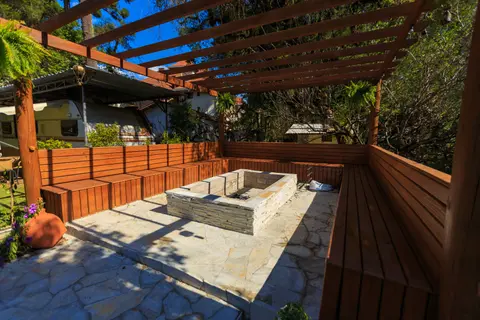
Built-in bench seating with storage underneath is one of the most space-efficient choices. A L-shaped timber bench with lift-up seats and storage can seat six people, store cushions and garden tools, and leave the rest of the patio clear. Expect to pay £500–£1,200 for a bespoke built-in unit from a joiner, or £200–£500 for a good quality flat-pack alternative.
Foldable or stackable furniture allows the patio to double as a play or working space when not in use for dining. Quality folding teak chairs cost £40–£100 each; a foldable bistro table with two chairs can be bought from £60–£200.
Ottoman coffee tables with hidden storage allow cushion and accessory storage while serving as a footrest or extra seating.
Mirrors and Light Tricks
Garden mirrors are an inexpensive way to create the impression of a larger space. A framed outdoor mirror on a fence or wall reflects planting and light, making the garden appear to extend beyond the boundary.
Outdoor mirrors start at around £40 for a basic framed acrylic model and rise to £100–£150 for a larger frameless or ornate design. Avoid standard household mirrors outdoors, they are not rated for UV or moisture exposure and will deteriorate quickly. Position mirrors so they reflect planting rather than sky, and do not angle them at a bird feeding area as birds can mistake the reflection for open space.
Light-coloured fence paint (pale grey, white, or off-white) reflects more light into the garden than dark stains and makes the boundary feel less enclosing. A single 5-litre tin of outdoor fence paint (£15–£30) can transform a dark, oppressive boundary into a bright backdrop for planting.
Paving, Decking, or Lawn
The ground covering choice has a significant impact on maintenance time and perceived space.
| Surface | Typical installed cost (2026) | Maintenance | Best for |
|---|---|---|---|
| Indian sandstone paving | £60–£120/m² | Low, annual weed treatment | Year-round use; dining areas |
| Porcelain tiles | £80–£150/m² | Very low | Contemporary look; easy to clean |
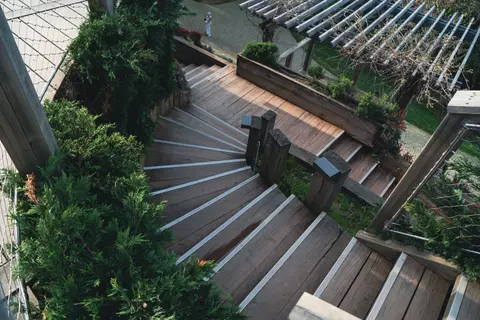
| Softwood decking | £80–£150/m² | Medium, oil/stain every 1–2 years | Warmer feel; raised areas |
| Hardwood decking (Ipe, Garapa) | £150–£250/m²1 | Low, natural silvering or annual oil | Longevity; premium finish |
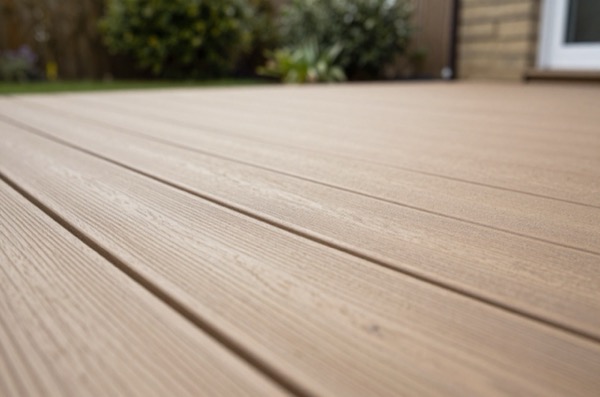
| Composite decking | £80–£160/m² | Very low, brush once a year | Low maintenance priority |
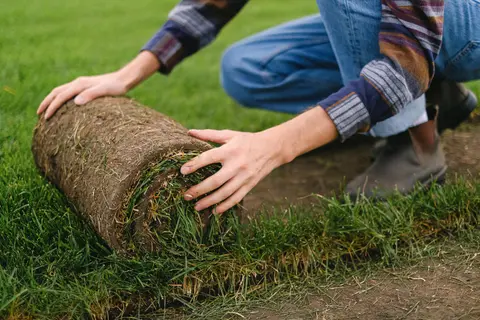
| Lawn (seeded) | £5–£15/m² | High, weekly mowing, scarifying, watering | Family use; informal gardens |
| Artificial grass | £30–£60/m² installed | Very low | Child/pet play; no mowing |
Lawn is the highest-maintenance option and in small gardens it often occupies space that would be more functional as hard standing. A full lawn in a 20 m² garden leaves almost no room for anything else. Replacing all or most of the lawn with paving or decking and a few raised beds is the single most transformative change most small gardens can make.
If you want some softness, a single narrow strip of lawn (1.0–1.5 m wide, 3–4 m long) costs very little to maintain and provides the visual relief of green without dominating the space.
Shed Alternatives and Bike Storage
A standard 6 × 4 ft shed occupies around 2.2 m² of floor space and takes up a disproportionate amount of a small garden. There are more space-efficient alternatives.
Vertical bike stores stand upright against a fence or wall and can hold two bikes in roughly 0.6 m × 1.2 m of floor space. Prices range from £150–£500 depending on material and security rating.
Mini-sheds and tall store units (sometimes called sentry boxes) are narrow cabinets (around 0.4–0.5 m deep) that hold tools, hose reels, and garden chemicals in a fraction of a conventional shed’s footprint. Good quality units cost £200–£500.
Under-bench storage integrated into built-in seating is the most space-efficient tool storage solution of all, it occupies space that was already allocated to seating.
Wall-mounted tool racks inside a utility room or garage can entirely eliminate the need for outdoor tool storage in gardens where indoor space is available nearby.
Low-Maintenance Planting
A small garden with high-maintenance planting quickly becomes a burden rather than an asset. Choose plants that look good year-round with minimal intervention.
Evergreen structure plants (box balls, fatsia, pittosporum, sarcococca) provide year-round form without cutting or staking. Ornamental grasses (hakonechloa, stipa, deschampsia) are drought-tolerant and look good from late spring to winter without deadheading. Hardy geraniums are ground-cover workhorses that suppress weeds, flower for months, and need only one cut back in late summer.
Avoid annuals that need replacing every year if time is limited. Perennials that die back and return each year with no intervention are a better investment in a small space.
Mulching beds with a 50–75 mm layer of bark chip or composted wood (£3–£6 per 60-litre bag) suppresses weeds significantly and reduces watering frequency.
Common Mistakes in Small Gardens
Overcrowding with too many features. Every item added to a small garden competes for the same limited space. Prioritise ruthlessly, one good dining table is more useful than a dining table plus a fire pit plus a water feature that collectively leave no room to move.
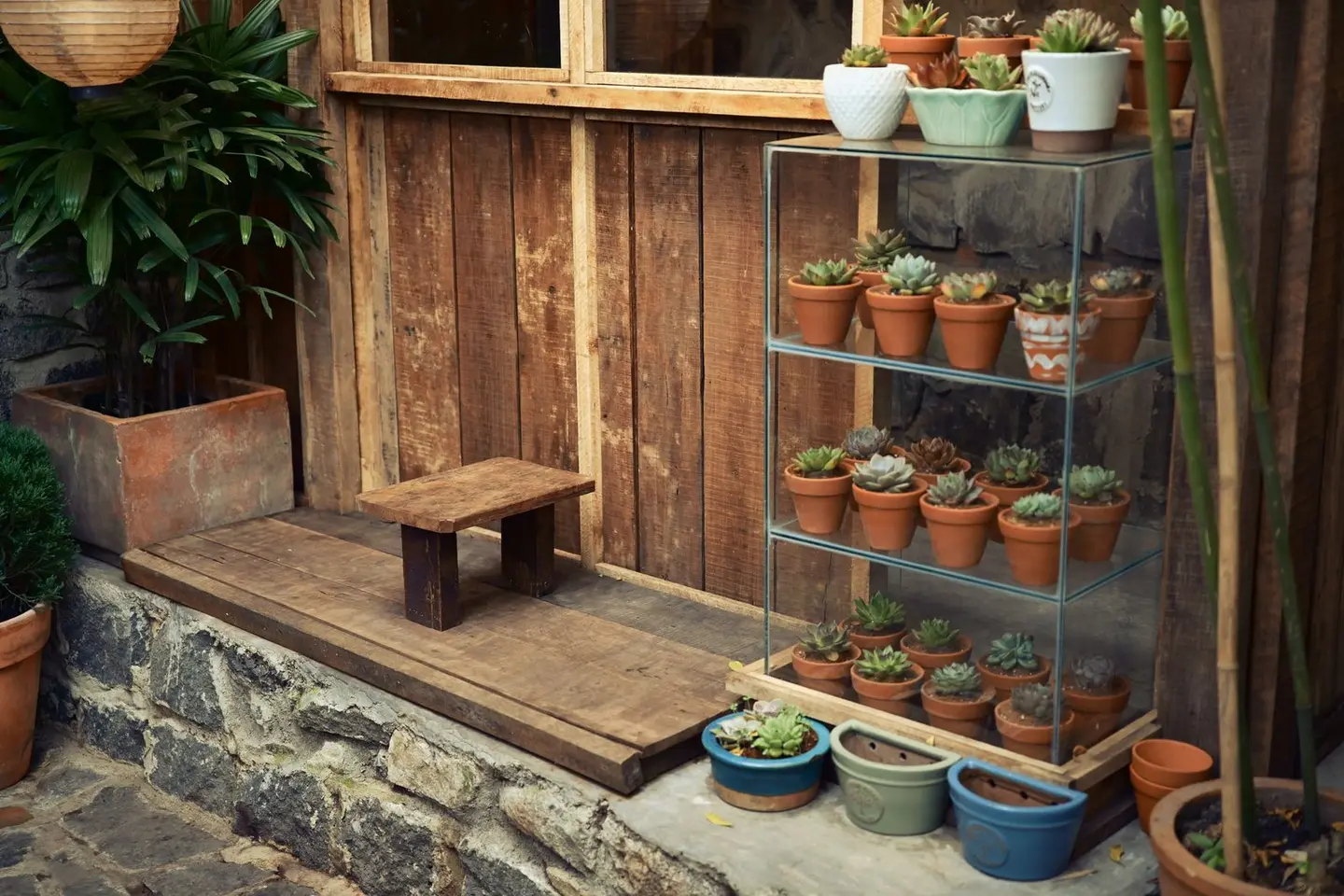
Oversized planters and pots. A single large pot can anchor a small patio beautifully. Twenty small mismatched pots create clutter and take far longer to water. Edit down to a few statement containers.
Ignoring the boundary. Bare panel fencing makes a small garden feel like a box. Painting it, adding trellis and climbers, or fitting wall-mounted planters converts the boundary from a visual stop-point into a feature.
Planting too close to boundaries and structures. Plants need room to mature without being constantly cut back. Check the eventual spread of any plant before you buy it.
Neglecting lighting. Solar stake lights and string lights cost very little (£20–£80 for a decent set) and extend the usable season of a small garden into the evenings from spring through autumn.
When to Use a Garden Designer
Most small garden improvements can be planned and managed without professional design input. However, if you are considering significant hard landscaping, changing levels, installing drainage, adding a pergola or garden room, a professional garden designer can save money by avoiding expensive mistakes.
A full garden design for a small urban plot typically costs £500–£2,000 depending on the designer’s experience, the level of detail in the drawings, and whether a planting plan is included. Many designers offer a one-hour consultation for £100–£200 which can be enough to get a layout recommendation and plant list without commissioning full drawings.
Look for designers who are members of the Society of Garden Designers (SGD) or hold an RHS qualification. Always ask to see completed projects at a similar scale and budget to your own before committing.
For projects where the design is straightforward but implementation requires skill, particularly drainage, groundwork, or structural timber, getting three quotes from landscapers and asking each to walk through their proposed approach will reveal the practical options without the cost of a full design service.
References (1)
Figures in this note were checked against the sources below on 14 September 2026. Superscript numbers in the text point to them. Every source the site cites, by topic.
- 1costsupplier figureB&Q (Kingfisher plc).RN-G38MXNA price, true at 2026-09. B&Q's product page for an eDecks hardwood decking handrail starter kit, 1,970 mm. A published retail price for a named kit, which is what a handrail run actually costs to buy rather than what a rate per metre implies. Retail, so it sits above trade counter prices for the same timber.
-
eDecks Hardwood Decking Handrail System Starter Kit (1970mm), B&Q (Kingfisher plc), accessed 18 September 2026. Priced at 2026-09, so no calibration is needed. diy.com