Free or subsidised insulation is one of the most effective ways to cut heating bills without taking on expensive works yourself. In 2026, the two main government schemes have been ECO4, which runs until 31 December 2026, and the Great British Insulation Scheme (GBIS), which closed on 31 March 2026, alongside a patchwork of local authority grants.12 This guide explains what ECO4 covers, who qualifies, how much you can realistically expect to receive, and what GBIS offered while it was open.
ECO4: The Flagship Fully-Funded Scheme
ECO4 (Energy Company Obligation 4) applies to measures installed from 1 April 2022 and, after a nine-month extension, runs until 31 December 2026; it requires the obligated (larger) energy suppliers to fund home energy improvements for lower-income and vulnerable households.2 If you qualify, works are often fully funded, but you can be asked to contribute, and Ofgem requires any amount the household pays towards an ECO4 measure to be recorded.3
What ECO4 covers:
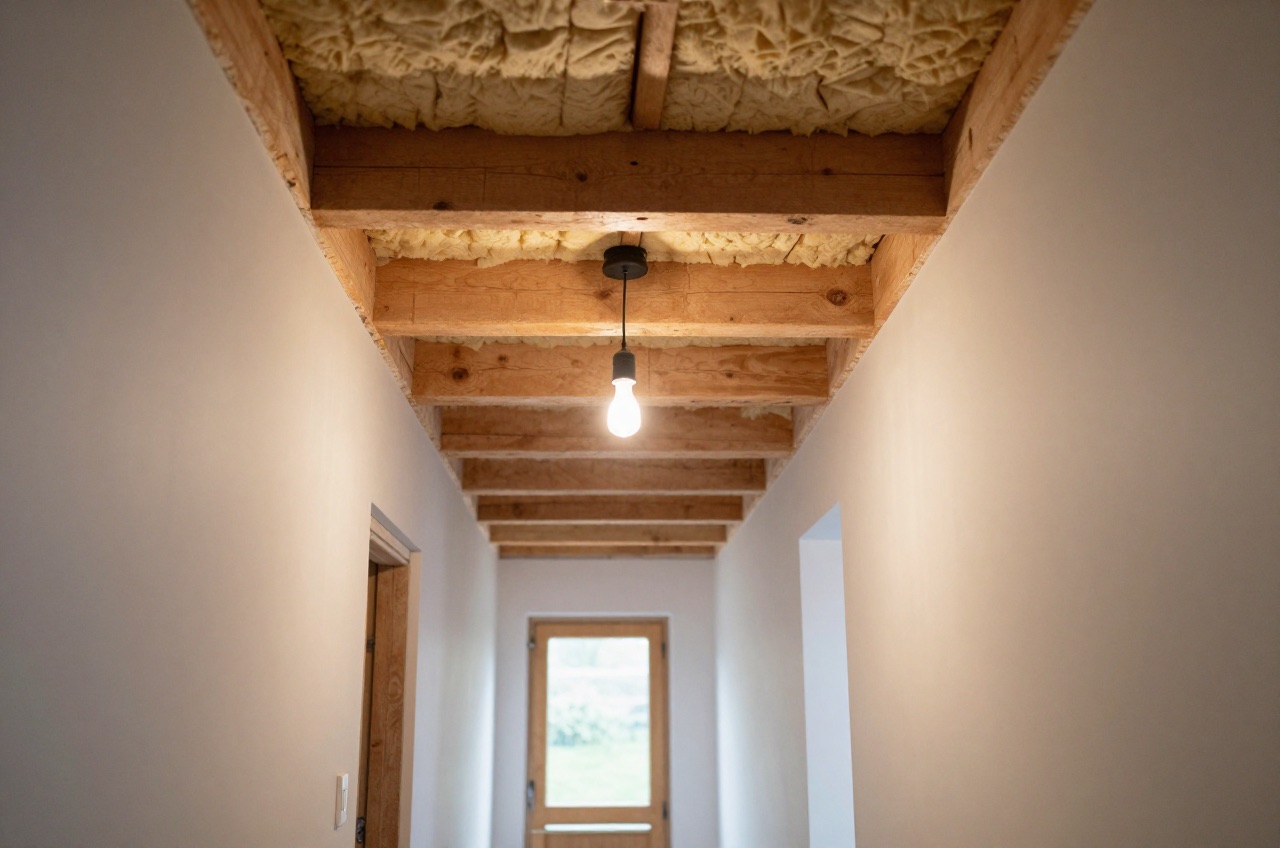
- Loft insulation (top-up or first-time)
- Cavity wall insulation
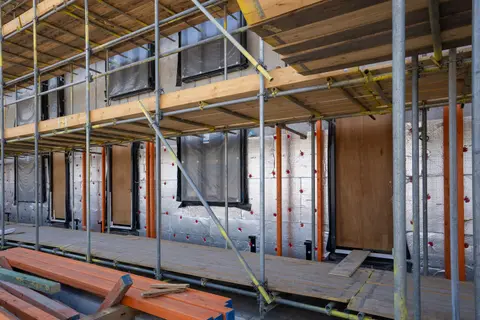
- Solid wall insulation (internal or external)4
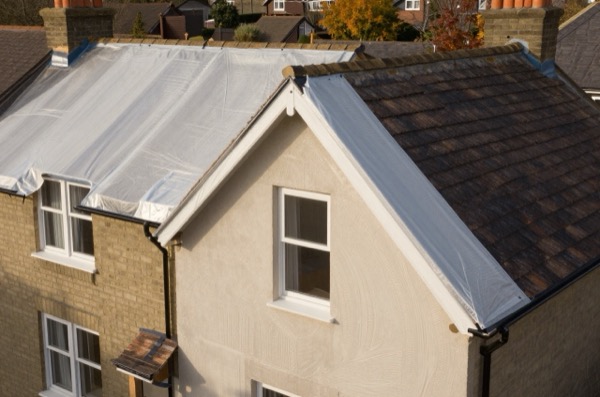
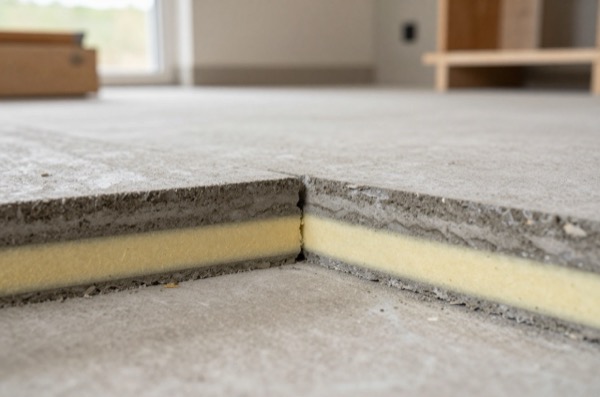
- Underfloor, flat roof and room-in-roof insulation3
Eligibility is mainly means-tested. If you live in private housing, you may qualify if you receive one of the following benefits:5
- Universal Credit
- Pension Guarantee Credit or Pension Savings Credit5
- Child Benefit
- Income Support, income-based Jobseeker’s Allowance or income-related Employment and Support Allowance
- Housing Benefit
If you own your home, it must have an Energy Performance Certificate (EPC) rating of D, E, F or G; if you rent from a private landlord, the rating must be E, F or G, and you need the owner’s permission.5 Social housing tenants may also get help if the home is rated E, F or G.5 Contact your local council to find out whether it is taking part in ECO4, as well as the energy suppliers themselves.5
EPC Requirement
If you don’t have a current EPC, ask the installer whether one will be arranged as part of the assessment and whether you will be charged for it.
Typical ECO4 insulation values:
| Measure | Average installed cost | ECO4 funding |
|---|---|---|
| Loft insulation (270mm, semi-detached) | £300–£600 | Up to 100% |
| Cavity wall insulation | £500–£1,500 | Up to 100% |
| Solid wall insulation (external) | £8,000–£22,000 | Up to 100% |
| Underfloor insulation (suspended) | £800–£2,000 | Up to 100% |
GOV.UK describes ECO4 as help with the cost of insulation work rather than a promise of free installation, so ask the installer in writing whether you will be asked for a contribution before any work starts.5
Great British Insulation Scheme (GBIS): Closed 31 March 2026
GBIS ran from April 2023 until it closed on 31 March 2026.1 It was broader than ECO4: it targeted the least energy-efficient homes rather than only low-income households, so many owner-occupiers and private tenants who did not qualify for ECO4 could get help.1 Ofgem does not list a replacement scheme, so ECO4 (to 31 December 2026) is now the only supplier-funded route.12 The scheme is kept here for reference because older quotes, council pages and installer marketing still refer to it.
How GBIS worked: Medium and large energy suppliers were obliged to deliver measures that reduced energy use in eligible homes.1 They typically worked through approved installers or local council referral schemes.
Eligibility ran on two tracks:
- Low-income track: Households receiving means-tested benefits (similar to ECO4), EPC D–G. Usually received full funding.
- General track: Any household in an EPC D–G property, regardless of income, in council tax bands A–D in England (A–E in Scotland and Wales).1 Partial funding was typical, with the homeowner paying the balance of the installer’s quote.
GBIS focused on single-measure installs. Unlike ECO4, which takes a whole-house approach and often funds a package of measures, GBIS mostly delivered single insulation measures.1
How much GBIS paid varied with the measure, the property and the installer, so an older quote is the only reliable record of what a particular household was offered.
If your home has solid walls, which is more likely if it was built before 1920, ECO4 eligibility is the route to check now.6 GOV.UK warns that there are quality issues with some solid wall insulation fitted through ECO, and explains what to do if you are concerned about insulation already fitted.5
Local Authority Grants and Blended Funding
Some councils run their own energy-efficiency grants, and nearly every eligible council in England has been allocated Warm Homes: Local Grant funding.7 Whether council funding can be combined with ECO4 depends on the scheme, so ask the council directly.
- Warm Homes: Local Grant is run by councils in England for privately owned homes with an EPC of D to G, usually where household income is £36,000 a year or less, and can pay in full for measures such as insulation, heat pumps and solar panels87
Check your local council’s website directly, or use GOV.UK’s Find ways to save energy in your home service, which lists the improvements and support that apply to your property.9
How to Apply
- Check your EPC rating on the GOV.UK energy certificate register, which covers England, Wales and Northern Ireland; Scotland has a separate service.10
- Use GOV.UK’s Find ways to save energy in your home service to see which improvements suit your property and what help is available.9
- Contact an approved installer, look for TrustMark-registered contractors certified to PAS 2035/2030:2023, the combined standard that replaced the earlier separate PAS 2035 and PAS 2030 editions.11 ECO4 installers will usually handle the supplier referral on your behalf.
- Get at least two quotes for any co-funded works.
Avoid Cold Callers
Installers or agents can legitimately contact you about ECO4, but check any unsolicited offer with your local council or the energy supplier they say they represent before allowing access.5 Anyone still offering “GBIS” funding after its 31 March 2026 closure should be treated with suspicion, and you can also check an installer against the TrustMark register.
What the Savings Look Like
Energy bill savings vary significantly by property type and existing insulation state. The figures below are rough indications for a semi-detached home with none of that insulation to start with; the Energy Saving Trust publishes current estimates by house type:
| Measure | Estimated annual saving |
|---|---|
| Loft insulation (none → 270mm) | £180–£300 |
| Cavity wall insulation | £150–£350 |
| Solid wall insulation (external) | £300–£600 |
| Draught-proofing (often bundled) | £50–£100 |
Topping up is worth much less: the Energy Saving Trust estimates that taking a loft from about 120 mm to 270 mm of insulation saves about £17 a year in Great Britain.12 It puts the saving from draught-proofing windows, floors and doors at around £55 a year.13
Payback on fully-funded measures is immediate, you’re saving from day one. For co-funded solid wall insulation, a homeowner contribution of £5,000 with £400/year savings implies a payback of about 12.5 years before energy price changes.
What ECO4 Does Not Cover
- Homes above the EPC limits: an owner-occupied home rated A to C, or a privately rented or social home rated A to D5
- Homes in buildings put up on or after 1 April 2022, as ECO4 measures generally go only to buildings erected before that date3
- Holiday lets, empty homes and other premises not occupied primarily as a home3
- Measures that cannot be installed because the home is a listed building (other measures may still qualify)3
- Projects that would not raise the home’s energy rating enough: in general a band F or G home must reach at least band D, and a band D or E home at least band C3
Building Regulations
Insulation installed under ECO4 (as under GBIS) must comply with the Building Regulations, including Part L (Conservation of fuel and power). Filling a cavity wall with insulation is itself building work under the Building Regulations.14 Choose a cavity wall insulation system with third-party certification, such as a BBA certificate. When a solid wall is insulated, internally or externally, Approved Document L sets a limiting U-value of 0.30 W/m²K for the renovated wall.15 Your installer must either notify Building Control or be registered with a competent person scheme that covers the work, such as CERTASS, Certsure or NAPIT, and self-certify it.16
References (16)
Figures in this note were checked against the sources below on 2 October 2026. Superscript numbers in the text point to them. Every source the site cites, by topic.
- 1technicalvery strongOfgem.RN-RDOIJRThe scheme, formerly known as ECO+, ran from April 2023 to 31 March 2026 and is now closed. It obliged medium and large energy suppliers to deliver measures reducing energy use in the least energy-efficient homes in Great Britain. Eligibility was homes with an EPC rating of D to G in Council Tax bands A to D in England, or A to E in Scotland and Wales, plus low-income and vulnerable households. Unlike ECO4, which funds whole-house packages, GBIS mostly delivered a single insulation measure per home. This is the page to cite when a note has to say a grant route has closed rather than leave a reader chasing it.
- 2technicalvery strongOfgem.RN-FPPUSLECO4 is the fourth phase of the Energy Company Obligation across Great Britain. It applies to measures installed from 1 April 2022 and runs until 31 December 2026 following a nine-month extension; ECO3 closed on 31 March 2022 and ECO4 came into force in July 2022. The scheme places a Home Heating Cost Reduction Obligation on medium and large energy suppliers to promote measures that improve the ability of low-income, fuel-poor and vulnerable households to heat their homes, funding insulation and heating upgrades for both homeowners and tenants. Ofgem also lists the Great British Insulation Scheme as a separate obligation on this page.
- 3technicalvery strongOfgem, guidance.RN-EW43LWOfgem's ECO4 delivery guidance for suppliers and installers. Its consumer contributions section requires the amount a household contributes towards any ECO4 measure to be recorded, so contributions do happen.
- 4technicalvery strongDepartment for Energy Security and Net Zero, guidance.RN-IBD1ZLThe official ECO statistics explain ECO4's Solid Wall Minimum Requirement, which suppliers can meet only by installing internal or external solid wall insulation, confirming ECO4 funds both types.
- 5technicalvery strongGOV.UK, guidance.RN-8G8WJBThe GOV.UK consumer guide to ECO. It sets out the benefit and EPC-band eligibility rules and tells households to contact their council or energy supplier to apply.
- 6technicalfairEnergy Saving Trust, guidance.RN-RV8Z6HSolid wall insulation costs and the quality problem. Typical installation £12,000 to £15,000, split as around £15,000 for external wall insulation and around £12,000 for internal. Around 33% of the heat lost from an uninsulated home goes through the walls. Homes built before 1920 are more likely to have solid walls, of brick, stone, earth or timber frame with panels. A registered installer should guarantee the work for 25 years, and any TrustMark solid wall insulation company offers a 25 year guarantee backed either by an insurer or through the Solid Wall Insulation Guarantee Agency. Records that in October 2025 the National Audit Office reported on quality failures in wall insulation under government schemes, and that 98% of homes fitted with external wall insulation under ECO4 and the Great British Insulation Scheme have problems needing fixing, with affected households sent an Ofgem letter carrying a Unique Measure Reference Number in early 2026 and a remediation line on 0333 555 1234 option 1.
- 7costvery strongDepartment for Energy Security and Net Zero, guidance.RN-BCN48CA price, true at 2026-07. Warm Homes: Local Grant, policy guidance for local authorities (updated July 2026), government guidance cited for the figures and rules it sets out
- 8technicalvery strongGOV.UK.RN-U1PW3GThe England-only successor to the Home Upgrade Grant, delivered by local councils. Eligibility: household income of £36,000 a year or less (with postcode and benefit-based exceptions), privately owned home, EPC rating D to G. Funds wall, loft and underfloor insulation, air source heat pumps, smart controls and solar panels, with the council organising and paying for the work. Explicitly 'only available in England'. Use this whenever a note says HUG closed and a successor is awaited: it is live and taking applications.
- 9technicalvery strongGOV.UK, guidance.RN-5338K3The government's own recommendation tool, and the neutral link a DIY insulation note should offer instead of a comparison site. It gives personalised home improvement recommendations for property owners in England and Wales, and for each suggestion shows an estimated cost of making the improvement and how much could be saved on bills. It cross-refers to the Boiler Upgrade Scheme, the Warm Home Discount Scheme and the Winter Fuel Payment. A telephone helpline is available Monday to Friday 8am to 6pm except bank holidays, and Saturday 9am to 12pm. The page itself carries no eligibility criteria or scheme figures, so a note quoting grant values must cite the individual scheme pages rather than this one.
- 10technicalvery strongGOV.UK.RN-UJSXRIThe public register for energy certificates. It finds an energy performance certificate (EPC), a display energy certificate (DEC) for a public building, and an air conditioning inspection certificate and report, searching by postcode, by street name and town, or by certificate number. It covers England, Wales and Northern Ireland for homes, business properties and public buildings. Scotland uses a separate service, the Scottish EPC Register. This is how a reader checks their current EPC band and recommendations before deciding what to improve.
- 11technicalstrongBSI, guidance.RN-DCE677the combined retrofit specification that publicly funded energy efficiency work has to be installed under
- 12technicalfairEnergy Saving Trust, guidance.RN-I69XGOEnergy Saving Trust's consumer advice page on roof and loft insulation: recommended depths, the difference between insulating at joist level and at rafter level, and indicative costs and savings. EST is a consumer-facing body rather than the authority for the depth, so it is cited for the plain explanation and Approved Document L is cited for the requirement. The page blocks automated fetching, so it is described here from its title and publisher.
- 13technicalfairEnergy Saving Trust, guidance.RN-FRD5VYDraught proofing costs and savings. Professional draught proofing of windows and doors across a whole house costs around £250, with DIY cheaper. A terracotta chimney pot cap starts at around £150 and also keeps out moisture and birds. Savings: around £55 a year in Great Britain and £80 in Northern Ireland from draught proofing windows, floors and doors, plus around £45 in GB and £60 in NI from draught proofing an unused open chimney. A draught free home is comfortable at a lower setting, and turning a thermostat down from 22 degrees C to 21 degrees C saves £120 a year in GB and £80 in NI. Warns that further draught proofing of an already well sealed home raises the risk of poor indoor air quality.
- 14technicalvery strongThe National Archives, legislation.RN-ZCMRHVRegulation 3 of the Building Regulations 2010, the meaning of building work. Lists what counts: erecting or extending a building, providing or extending a controlled service or fitting, material alteration, work required by a material change of use, and inserting insulation into a cavity wall. If a job is not on this list it is not building work, so this is the first place to check whether approval is needed at all.
- 15technicalvery strongMinistry of Housing, Communities and Local Government.RN-L0FCJXThe in-force U-value tables a DIY insulation or door note must quote, with the exact numbers. Table 4.2, limiting U-values for new fabric elements in existing dwellings, sets roof 0.15, wall 0.18, floor 0.18, swimming pool basin 0.25, window 1.4 or Window Energy Rating Band B minimum, rooflight 2.2, doors with more than 60 per cent of the internal face glazed 1.4 or Doorset Energy Rating Band C minimum, and other doors 1.4 or Doorset Energy Rating Band B minimum. Table 4.3, for existing elements, gives a roof threshold of 0.35 and an improved value of 0.16, which is the figure a loft insulation note needs: paragraph 4.12 says a retained element whose U-value is higher than the column (a) threshold, for example through a loft or garage conversion, should be upgraded to the column (b) value. Paragraph 4.13 allows a lesser upgrade only where the improved value is not technically or functionally feasible or would not achieve a simple payback of 15 years or less. Paragraph 4.8 requires a replacement element to be no worse than the one it replaces as well as meeting Table 4.2. Paragraph 4.10 gives the heritage exception: where character must be maintained, a centre pane U-value of no more than 1.2 or low-emissivity secondary glazing. Note 9 records that the timber window concession of 1.6 or Band C ended on 14 June 2023. The 2021 edition came into force on 15 June 2022; a 2026 edition exists at https://assets.publishing.service.gov.uk/media/69c122a6cfa346b9d4704a55/ADL1_2026.pdf.
- 16technicalvery strongMinistry of Housing, Communities and Local Government.RN-SAMO3MThe official list of competent person schemes whose members can self-certify certain building work instead of getting building regulations approval, published 4 April 2013 and last updated 12 March 2018. Named schemes with contact numbers include ATTMA, APHC, Assure Certification, Blue Flame Certification, the British Board of Agrement, BESCA, Capita Gas Registration and Ancillary Services trading as Gas Safe Register, CIGA, Certass, Certsure LLP trading as NICEIC, the Elmhurst Airtightness Scheme, Fensa Limited, HETAS Limited, NAPIT Registration Limited, the National Federation of Roofing Contractors trading as CompetentRoofer, and OFTEC. Two footnotes matter: the Gas Safe Register is not technically a competent person scheme although in practice its installers carry the same building regulations responsibilities, and Benchmark Certification Limited ceased to operate as a competent person scheme on 10 February 2017, becoming part of NAPIT Registration Limited that day. Installers joining an electrical scheme are added to the single electrical competent person register.
-
Great British Insulation Scheme, Ofgem, accessed 7 September 2026. ofgem.gov.uk
-
Energy Company Obligation (ECO), Ofgem, accessed 7 September 2026. ofgem.gov.uk
-
Energy Company Obligation (ECO4) Guidance: Delivery, version 3.2, Ofgem, accessed 2 October 2026. ofgem.gov.uk
-
Household Energy Efficiency Statistical Release, May 2026, Department for Energy Security and Net Zero, accessed 30 September 2026. assets.publishing.service.gov.uk
-
Help from your energy supplier: the Energy Company Obligation, GOV.UK, accessed 30 September 2026. gov.uk
-
Solid wall insulation, Energy Saving Trust, accessed 2 October 2026. energysavingtrust.org.uk
-
Warm Homes: Local Grant, policy guidance for local authorities (updated July 2026), Department for Energy Security and Net Zero, accessed 30 September 2026. Priced at 2026-07, so no calibration is needed. assets.publishing.service.gov.uk
-
Apply for the Warm Homes: Local Grant to improve a home, GOV.UK, accessed 30 September 2026. gov.uk
-
Find ways to save energy in your home, GOV.UK, accessed 7 September 2026. gov.uk
-
Find an energy certificate, GOV.UK, accessed 2 October 2026. gov.uk
-
PAS 2035/2030:2023, Retrofitting dwellings for improved energy efficiency and Installation of energy efficiency measures in existing dwellings, BSI, accessed 14 September 2026. knowledge.bsigroup.com
-
Roof and loft insulation, Energy Saving Trust, accessed 2 October 2026. energysavingtrust.org.uk
-
Draught-proofing, Energy Saving Trust, accessed 2 October 2026. energysavingtrust.org.uk
-
The Building Regulations 2010, regulation 3: Meaning of building work, The National Archives, accessed 30 September 2026. legislation.gov.uk
-
Approved Document L, Conservation of fuel and power, Volume 1: Dwellings, 2021 edition incorporating 2023 amendments, Ministry of Housing, Communities and Local Government, accessed 14 September 2026. assets.publishing.service.gov.uk
-
Competent person scheme: current schemes and how schemes are authorised, Ministry of Housing, Communities and Local Government, accessed 30 September 2026. gov.uk