A fixing is only as strong as its anchor. The same screw that holds a shelf bracket securely in solid brick will pull straight through a plasterboard cavity if the wrong plug is used. This guide covers every common wall substrate in UK homes and the anchors designed for each, with load ratings, drill sizes, and realistic costs.
Why Wall Plug Choice Matters
Most UK homes combine several wall types: solid brick or stone externals, lightweight block inner leaves, timber or metal stud partition walls, and plasterboard dry-lining over any of these. A fixing that performs perfectly in one substrate can fail catastrophically in another. Getting it wrong risks anything from a fallen picture to a dropped bathroom cabinet or, at the structural end, a radiator bracket pulling out under load.
Solid Masonry: Brick, Block, and Stone
For solid walls (outer leaves, loadbearing partitions, and older properties with solid brick throughout), the standard approach is a plastic expansion plug matched to the drill bit and screw size.
Plastic Expansion Plugs
The brown/red/yellow/blue colour-coded plugs available in every DIY store. Each colour corresponds to a drill diameter:
| Plug Colour | Drill Size | Screw Gauge | Typical Load (shear) |
|---|---|---|---|
| Yellow | 5 mm | No.4 / 3.0 mm | Light (pictures, hooks) |
| Red | 6 mm | No.8 / 4.0 mm | Medium (shelves, curtain rails) |
| Brown | 7 mm | No.10 / 5.0 mm | Heavy (radiators, TV brackets) |
| Blue | 10 mm | No.14 / 6.0 mm | Very heavy (stair banisters, structural) |
Drill into the masonry (not mortar) using a hammer drill with a tungsten carbide bit. Mortar joints are softer and will crumble under load. Insert the plug flush or fractionally below the surface, then drive the screw, the plug expands laterally to grip the hole walls.
Frame Fixings
Long (60–200 mm) fixings with an integrated nylon sleeve, used to fix door frames, window boards, and timber framing directly to masonry. Drive in with a hammer after drilling; the sleeve anchors behind the plaster layer into the brick.
Masonry Bolts (Anchor Bolts / Rawlbolts)
For heavy or structural loads, securing a staircase newel post to a concrete slab, fixing structural steelwork, hanging heavy RSJ-supported shelving. The bolt body is hammered into a pre-drilled hole; tightening the nut expands a split sleeve against the hole walls, achieving very high pull-out resistance.
- Typical sizes: M6–M16 in lengths from 60–200 mm
- Concrete pull-out resistance: 3–15 kN depending on size and concrete class
- Use a correctly sized core drill (not SDS) for clean hole geometry
Resin Anchors (Chemical Anchors)
Epoxy or polyester resin injected into a roughened hole, then the stud or threaded rod inserted before curing. Ideal for:
- Cracked or aerated concrete blocks (where expansion anchors split the substrate)
- Edge-of-slab fixings
- High-load structural fixings
- Fixing rebar into concrete
Curing times: 15–60 minutes at 20°C; longer in cold weather. Pull-out values up to 50+ kN for large diameter rods in dense concrete.
Cavity Walls
Most post-1930s UK homes have cavity walls: two skins of masonry with a 50–100 mm gap. Drill through into the cavity and a standard plug has nothing to expand against. Avoid: hollow block and cavity insulation behind plasterboard create the same problem.
SDS hammer drills can punch through the inner leaf into the cavity without warning, always check with a detector before drilling.
Plasterboard and Dry-Lined Walls
Plasterboard (12.5 mm standard, 15 mm fire-rated) has negligible holding power on its own. Three main anchoring strategies:
1. Hit a Timber or Metal Stud
The gold standard. Studs in timber-frame walls are typically at 400 mm or 600 mm centres (timber), or 600 mm (metal). Use a stud detector or the tap-and-probe method. Once located, drive a standard wood screw (4.0–4.5 mm gauge) directly through the board into the stud, no plug needed. Load capacity is effectively that of the timber/metal stud and the sheet together.
2. Cavity/Hollow Wall Anchors
For fixings between studs, where stud location is impractical.
| Anchor Type | How It Works | Max Load (approx) | Best For |
|---|---|---|---|
| Spring toggle (gravity toggle) | Spring arms open behind board when inserted | 15–40 kg | Ceilings, light fixtures |
| Plastic toggles (e.g., Rawlplug Rawlnut) | Body expands against back of board | 10–25 kg | Shelves, towel rails |
| Metal cavity anchor | Threaded body collapses into a butterfly | 20–40 kg | TV brackets, heavier loads |
| Snap toggle | Steel bar locks behind board, bolt threaded through | 40–70 kg | Heavier fixings |
Manufacturers publish load tables, always check the product datasheet. Loads depend on board thickness, whether a single or double layer, and the angle of pull (direct pull-out vs. shear).
3. Wall Plate / Spreader Board
For very heavy items (kitchen wall cabinets, large TVs), fix a 18 mm plywood or timber spreader board across multiple studs, then fix the item to the board. Distributes load across a large area; the most reliable approach for heavy fixtures.
Aerated Concrete (Aircrete) Blocks
Thermalite, Celcon, and similar aerated blocks are lightweight but crumbly under expansion loads. Standard plastic expansion plugs can crack the block. Use:
- Nylon hammer-in fixings designed for lightweight blocks
- Resin anchors: inject resin, roughen the hole with a brush, insert stud, gives far better pull-out than mechanical expansion
- Frame screws (long, self-tapping into the block): work well in moderate loads if piloted correctly
Costs (2026 UK Trade Prices)
| Product | Pack / Unit | Approximate Cost |
|---|---|---|
| Plastic plug assortment (yellow/red/brown) | 100 | £3–£6 |
| Frame fixings (7.5 × 100 mm) | 10 | £3–£6 |
| Masonry bolt M8 × 80 mm | Each | £0.80–£1.50 |
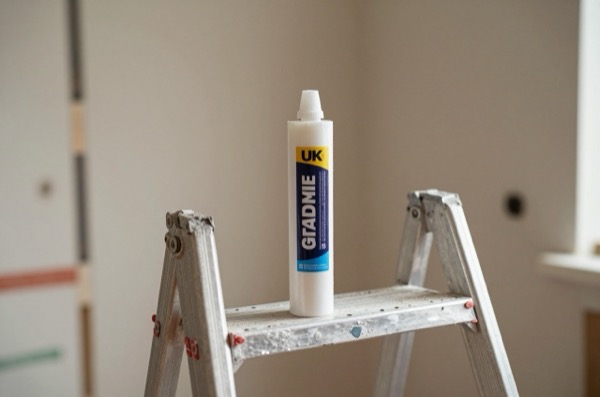
| Resin anchor cartridge (300 ml) | Each | £12–£25 |
| Threaded rods M10 × 160 mm (for resin) | 10 | £6–£12 |
| Spring toggle 1/4” | Each | £0.40–£0.801 |
| Rawlnut M6 | Each | £0.30–£0.60 |
| Metal cavity anchor M6 | Each | £0.50–£1.00 |
| Snap toggle 3/8” | Each | £1.00–£2.50 |
Practical Tips
- Always use a detector before drilling: pipe, cable, and stud detectors cost £20–£60 and prevent dangerous mistakes.
- Match drill bit type to substrate: tungsten carbide SDS bits for masonry, HSS bits for metal studs, wood bits for timber.
- Never overtighten expansion anchors: excess torque expands the sleeve too far and cracks the masonry around the hole.
- For wet areas (bathrooms, kitchens behind splashbacks): use stainless steel screws through your anchor to prevent rust streaking on tiles.
- Check British Standard BS 8539:2012+A1:2021 for guidance on anchor selection in safety-critical structural fixings, particularly relevant for suspended ceilings, structural steelwork brackets, and curtain walling.
Choosing the right wall plug takes less than a minute when you know your wall type. It saves you the half-day of replastering and reinstallation that follows a pull-out failure.
References (1)
Figures in this note were checked against the sources below on 14 September 2026. Superscript numbers in the text point to them. Every source the site cites, by topic.
- 1costsupplier figureSelco Builders Warehouse.RN-AJ2QROA price, true at 2026-09. the retail price Selco Builders Warehouse publishes for Plasterboard & Cavity Fixings, which is the supply figure the cost book records for this item
-
Plasterboard & Cavity Fixings, Selco Builders Warehouse, accessed 15 September 2026. Priced at 2026-09, so no calibration is needed. selcobw.com