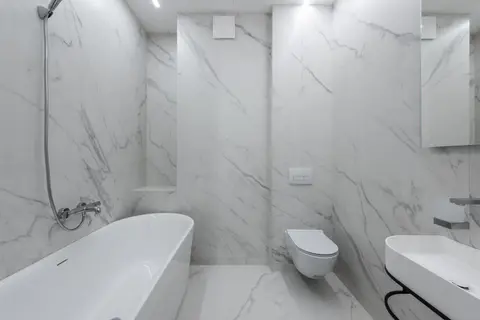
The basin is the most-used fixture in a bathroom. It is also the one where choosing the wrong size, style, or mounting method causes the most practical frustration, a basin that is too small splashes water across the floor; one mounted too low causes back strain; one without adequate storage nearby quickly becomes surrounded by clutter. This guide covers the main basin and vanity unit types, their costs, and how to match them to your bathroom layout and needs.
Basin Types
Pedestal Basin
The traditional choice for UK bathrooms. A ceramic basin sits on a floor-standing pedestal column that conceals the supply pipes and waste trap. Easy to install, simple to replace, and available in a huge range of sizes and styles.
- Unit cost: £50–£300 (standard); £200–£600 (designer ceramic or fireclay)
- Pros: no wall fixings required beyond the basin-to-wall bracket; hides pipework neatly
- Cons: pedestal takes up floor space; no storage; difficult to clean around base
Semi-Pedestal Basin
The basin is wall-fixed but a partial pedestal below covers the waste trap and lower pipework. Frees up floor space while maintaining a traditional aesthetic.
- Unit cost: £70–£3501
- Pros: cleaner floor line than full pedestal; suits smaller bathrooms
- Cons: supply pipework above the semi-pedestal is visible; needs solid wall fixings
Wall-Hung (Floating) Basin
Fixed directly to the wall with no floor contact. The waste trap and supply pipes are either concealed within the wall or left exposed (in a more industrial aesthetic).
- Unit cost: £80–£5002
- Pros: modern look; floor area is clear (easier to clean); adjustable mounting height; visually enlarges small bathrooms
- Cons: requires a solid (masonry or timber-studwork with backing board) wall; concealing pipework adds cost; not suitable for all wall types without specialist mounting frames
Countertop / Vessel Basin
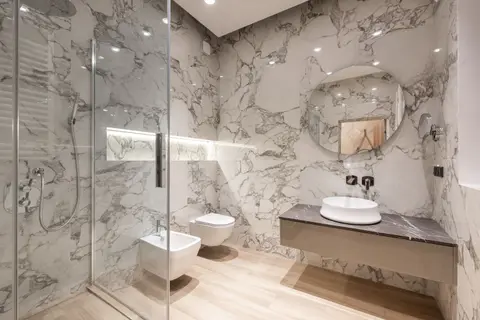
Sits on top of a worktop or vanity unit surface. Can be round, oval, square, or rectangular. Very popular in luxury and boutique-style bathrooms.
- Unit cost: £80–£600 (ceramic); £200–£1,200 (glass, stone, or handcrafted)
- Pros: striking visual impact; very wide design choice
- Cons: tap height must be matched carefully to basin height; easy to splash water onto countertop; basins without overflow can overflow if left running
Inset / Under-Counter Basin
The basin drops into or is mounted below a worktop cut-out. Gives a seamless countertop surface with a flush or under-mounted joint.
-
Drop-in (self-rimming): rim sits on worktop, simple to install, rim can collect dirt
-
Under-counter: basin is mounted below the worktop, clean aesthetic, easier to wipe counter into basin, more complex installation
-
Unit cost: £60–£400
Cloakroom Basin
Small basins specifically designed for cloakrooms or WCs where floor space is extremely limited. Standard minimum dimensions are around 360 × 250 mm, though some ultra-compact units are smaller.
- Unit cost: £40–£200
- Best for: cloakrooms, under-stairs WCs, small en suites
Vanity Units
A vanity unit combines a basin with integrated storage below, typically a cupboard with soft-close doors and one or two internal shelves. The basin may be integral (moulded as part of the unit top), drop-in, or countertop.
Freestanding Vanity Unit
Stands on the floor and functions as furniture. Cabinet with basin on top. Common in period properties or where a furniture-style aesthetic is desired.
- Cost range: £200–£1,500
- Width range: 450–1,200 mm
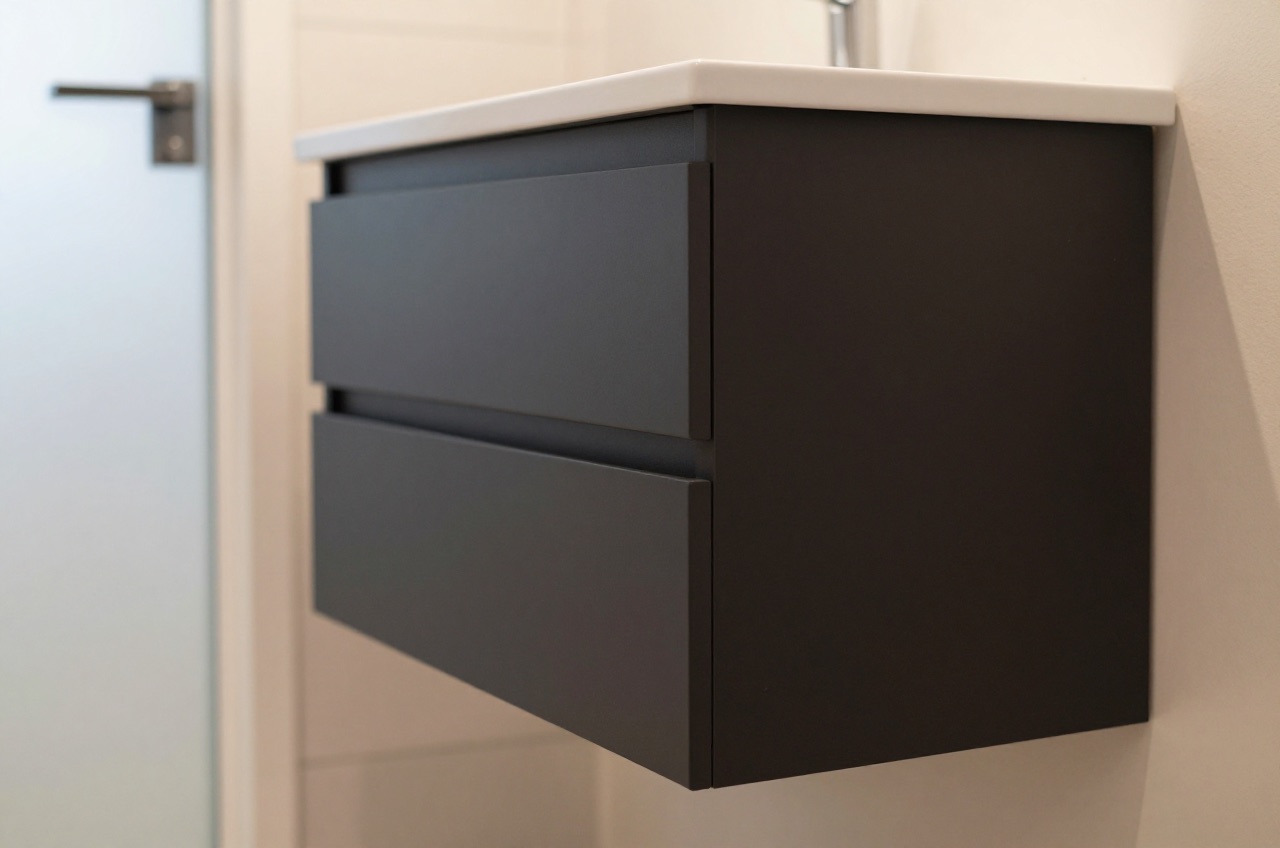
Wall-Hung Vanity Unit
Cabinet is wall-fixed and floor-clear. Popular in modern bathrooms for the same reasons as wall-hung basins, the floor line is clean and mopping is easier. Needs solid wall fixings; in stud walls, requires a timber sub-frame or dedicated mounting rail.
- Cost range: £250–£1,800
- Width range: 400–1,200 mm (wider double-drawer units available)
Combination Vanity / WC Units
Vanity unit designed to sit alongside or integrate with a back-to-wall WC unit in a matched set. Increasingly popular in complete bathroom refits where a unified aesthetic is desired.
Cost Summary
| Basin / vanity type | Unit cost | Installation (plumber, per fixture) | Total typical range |
|---|---|---|---|
| Pedestal basin | £50–£300 | £100–£200 | £150–£500 |
| Semi-pedestal basin | £70–£350 | £120–£220 | £190–£570 |
| Wall-hung basin | £80–£500 | £150–£350 | £230–£850 |
| Countertop / vessel basin | £80–£1,200 | £150–£300 | £230–£1,500 |
| Cloakroom basin | £40–£200 | £100–£180 | £140–£380 |
| Freestanding vanity unit | £200–£1,500 | £150–£300 | £350–£1,800 |
| Wall-hung vanity unit | £250–£1,800 | £180–£400 | £430–£2,200 |
Note: prices above are for the basin or vanity unit supply and basic plumbing connection only. If new pipework is needed, or the waste needs re-routing, add £100–£400 per fixture.
Materials: What to Know
Vitreous china / ceramic: The standard material for most UK basins. Durable, easy to clean, resistant to common cleaning products. Glazed surface can chip if struck sharply. Most basins sold in UK builders’ merchants and bathroom showrooms are vitreous china.
Fireclay: A denser form of ceramic, typically hand-cast and fired at higher temperatures. Heavier and more expensive; associated with farmhouse and heritage styles (the classic Belfast sink uses fireclay). Extremely durable; slight variation in finish is part of the appeal.
Stone resin: Compressed stone and resin composite. Available in smooth matt finishes; feels premium and warm to the touch. Heavier than ceramic. Used predominantly for countertop basins and large format vanity tops.
Glass: Tempered glass countertop basins are popular in contemporary bathrooms. Visually striking but prone to showing water marks and limescale in hard-water areas. Avoid in households where maintenance is not a priority.
Solid surface (e.g. Corian-type): Worktop and basin formed as one seamless piece. No joint to clean between basin and counter. High cost; specialist installation; usually repaired by sanding.
Choosing Basin Size: Practical Guidelines
There is no minimum basin size specified in Building Regulations, but ergonomics matter. A useful rule of thumb:
- Cloakroom / WC: minimum 360 mm wide; 250–300 mm projection from wall
- En suite: minimum 450 mm wide; 320–380 mm projection
- Main bathroom: 550–600 mm wide is comfortable; 380–450 mm projection
- Vanity unit: 600 mm is the most practical minimum for integrated storage; 800–1,200 mm for double-drawer units
Basin tap holes: most standard UK basins come with one central tap hole (for a mixer tap) or three holes (for separate hot/cold taps plus a central spout). Wall-mounted taps require no basin tap holes at all, and allow more worktop space around a countertop basin.
Building Regulations and Water Fitting Rules
Basin supply and waste connections must comply with the Water Supply (Water Fittings) Regulations 1999. An overflow is required on all basins (except some cloakroom designs) to prevent flooding. Waste traps must have a minimum 75 mm water seal depth to prevent foul smells entering the room (P-traps and bottle traps both meet this requirement).
Cold supply to basins in new builds or major refurbishments must meet the Approved Document G requirement that cold drinking water is available at a kitchen sink; for basins, cold supply from the mains or a well-maintained cold storage tank is standard, do not cross-connect to grey water supplies.
Taps and valves must be WRAS-approved (Water Regulations Advisory Scheme listed) to confirm they meet UK Water Fittings Regulations. Most reputable brands sold in the UK are compliant; check when purchasing low-cost alternatives online.
The rules in this note are those that apply in England. Scotland, Wales and Northern Ireland have their own building standards and permitted development rights.
References (2)
Figures in this note were checked against the sources below on 14 September 2026. Superscript numbers in the text point to them. Every source the site cites, by topic.
- 1costsupplier figureToolstation.RN-KZB8BYA price, true at 2026-09. the retail price Toolstation publishes for the Ideal Standard i.life compact basin and semi pedestal, which is the supply figure the cost book records for this item
- 2costsupplier figureToolstation.RN-Z4F0GSA price, true at 2026-09. the retail price Toolstation publishes for nuie vault single door compact wall hung vanity unit with ceramic basin 400mm, which is the supply figure the cost book records for this item. Re-sourced from a category listing so the page a reader opens is the product that was priced
-
ideal standard ilife compact basin and semi pedestal, Toolstation, accessed 16 September 2026. Priced at 2026-09, so no calibration is needed. toolstation.com
-
nuie vault single door compact wall hung vanity unit with ceramic basin 400mm, Toolstation, accessed 16 September 2026. Priced at 2026-09, so no calibration is needed. toolstation.com