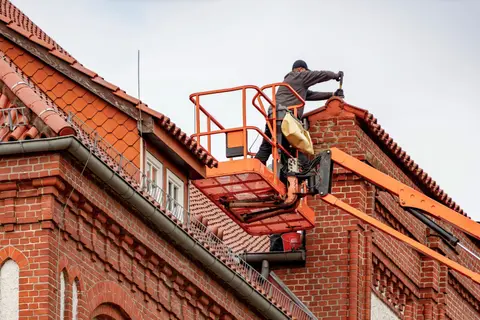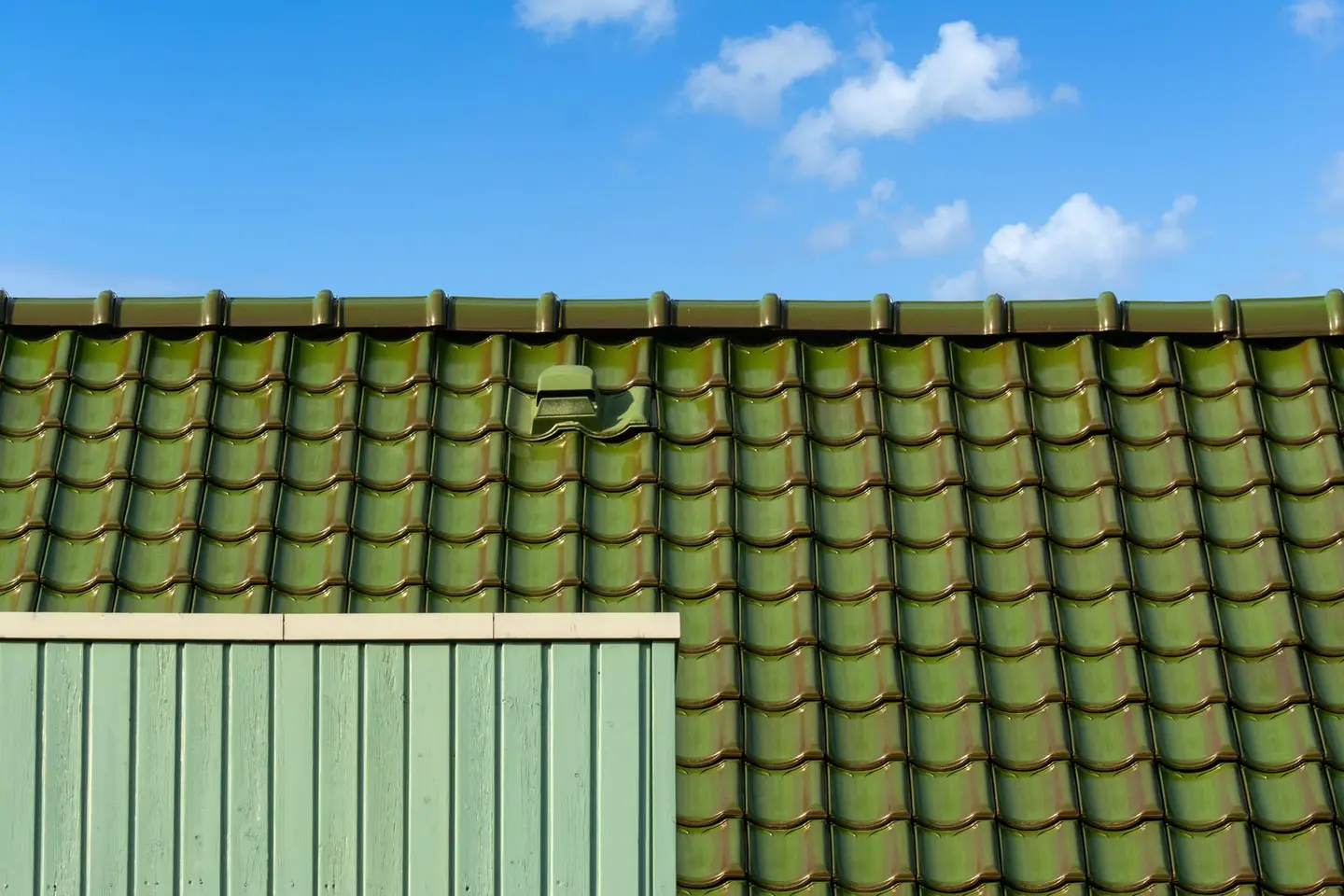
A new roof is one of the larger single expenditures a homeowner faces, yet the total cost varies enormously by house size, roof complexity, and the materials chosen. Understanding what drives the price helps you evaluate quotes honestly and avoid paying over the odds, or cutting corners you’ll regret.
For most UK homes in 2026, a complete re-roof runs between £5,000 and £18,000. Smaller terraces and cottages sit at the lower end; large detached homes with complex hip roofs, valleys, or premium slate can push well past £20,000.
Cost by Roof Size and Material
Roofing quotes are typically priced per square metre of roof slope area (not floor plan area). A pitched roof at 40° has a slope area roughly 30–35% greater than the plan footprint of the house.
| Material | Cost per m² (slope) | 60 m² roof (3-bed semi) | 90 m² roof (4-bed detached) |
|---|---|---|---|
| Concrete interlocking tiles | £80–£120 | £4,800–£7,200 | £7,200–£10,800 |
| Clay plain tiles | £100–£160 | £6,000–£9,600 | £9,000–£14,400 |
| Fibre cement slate | £90–£140 | £5,400–£8,400 | £8,100–£12,600 |
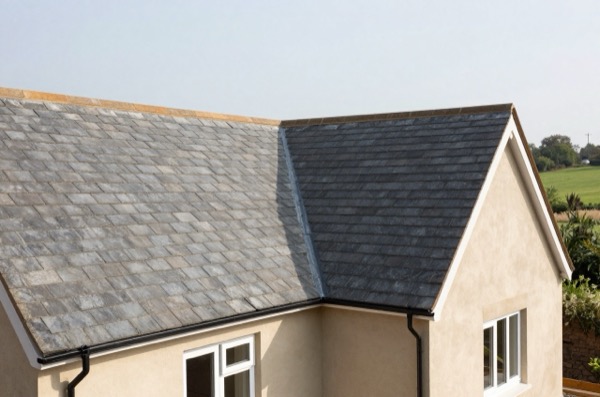
| Natural Welsh slate | £130–£2201 | £7,800–£13,200 | £11,700–£19,800 |
| Reclaimed natural slate | £140–£250 | £8,400–£15,000 | £12,600–£22,500 |
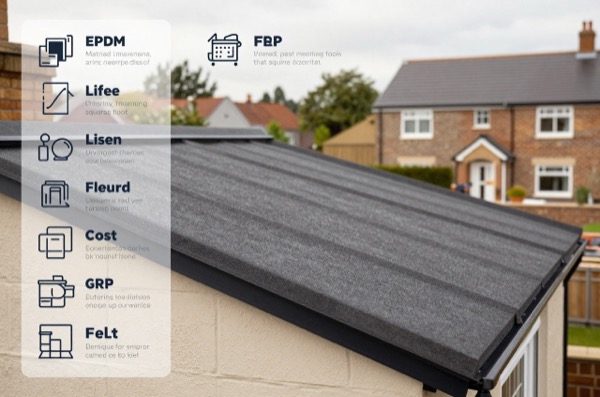
| GRP flat (warm roof) | £70–£120/m² plan | varies by extension | N/A (flat area) |
All figures are 2026 installed costs including materials, breathable felt underlay, treated battens, ridge tiles, and basic flashings. Scaffold, waste removal, and VAT (20%) are typically additional unless specified.2
Scaffold Costs
Scaffolding is almost always required for a full re-roof. Expect to pay £800–£2,500 for a standard 3-bedroom semi, depending on height, access, and whether the scaffold needs to extend to the rear. Scaffold is usually erected for the duration of the work (typically 3–7 days) plus a few days either side.
Labour Rates
Roofers in the UK charge either a day rate or a price per square metre. In London and the South East, experienced roofers typically charge £250–£400/day per operative; outside London, £180–£280/day is more common.
On a fixed-price basis, labour alone is typically 30–40% of the total re-roofing bill. For a £10,000 job, expect roughly £3,000–£4,000 in labour.
Always check that your roofer holds appropriate insurance (public liability minimum £2 million) and, for gas-related flashings, Gas Safe registration where relevant. NFRC (National Federation of Roofing Contractors) membership is a useful quality indicator.
Re-Roof vs Repair: Which Makes Sense?
The standard industry advice: repair if fewer than 20% of tiles are defective and the structure is sound; re-roof if the roof is more than 40–50 years old, has widespread batten rot, or if the underlay has failed.
| Factor | Repair | Full Re-Roof |
|---|---|---|
| Age of roof | Under 25 years | Over 40 years |
| Number of defective tiles | Isolated failures | Widespread (>20%) |
| Underlay condition | Intact | Degraded/missing |
| Batten condition | Sound | Rotted or sagging |
| Energy performance | No improvement | Opportunity to upgrade insulation |
| Cost | £200–£2,000 | £5,000–£20,000+ |
Re-roofing also gives you the opportunity to upgrade insulation at rafter or ceiling level, which can meaningfully improve Part L compliance and reduce heating bills. For pre-2000 homes with loose mineral wool between ceiling joists, a re-roof is often the best time to install properly detailed warm-roof insulation.
Signs You Need a New Roof
These indicators suggest a full replacement rather than ongoing patching may be the more economical long-term choice:
Externally visible signs:
- Widespread missing, cracked, or slipping tiles (more than 15–20% affected)
- Sagging ridge line or undulating roof plane (indicates batten or rafter failure)
- Visible daylight through the roof from the loft
- Moss and lichen covering more than 30–40% of the surface, this holds moisture and accelerates frost damage
- Corroded, cracked, or poorly pointed flashings at chimneys, valleys, and abutments
Inside the loft:
- Water staining on rafters or ceiling joists in multiple locations
- Daylight visible between tiles
- Underlay (felt or breathable membrane) torn, brittle, or absent
- Batten ends visibly rotted or damp
Age:
- Concrete interlocking tiles: inspect carefully after 40 years; many 1970s–1990s installations are now reaching end of life
- Clay and slate: can last 80–150 years, but check pointing, nails, and batten condition
Typical Project Timescales
A full re-roof on a 3–4 bedroom semi-detached house takes 3–5 working days with a two-person crew, assuming straightforward access and no structural repairs needed. Add 1–2 days if there are chimney stacks, dormer windows, or complex valley flashings.
Scaffold is typically left in place for 7–10 days total to allow for mobilisation and demobilisation. Plan around this if you have parking restrictions or neighbours who need access.
Getting Accurate Quotes
Get at least three quotes. Provide the same specification to each roofer: material type and grade, underlay spec, whether you want new battens throughout or spot replacement, and how flashings are to be treated.
Be wary of quotes that:
- Don’t specify the material brand and grade
- Are significantly cheaper than others (more than 25–30% below the median)
- Don’t include scaffold separately or bundle it without detail
- Are verbal rather than written
A written quote specifying the scope is your protection if disputes arise. For work over £500, a basic written contract is strongly advisable.
VAT
Standard-rated VAT (20%) applies to most roofing work on existing dwellings.2 The zero rate (0% until 31 March 2027, then 5%) for the installation of energy-saving materials may apply if you are also having insulation installed at the same time, check with your roofer and HMRC guidance, as this has been subject to legislative change.3
References (3)
Figures in this note were checked against the sources below on 7 September 2026. Superscript numbers in the text point to them. Every source the site cites, by topic.
- 1costsupplier figureBuy Roof Slate.RN-CB8REPA price, true at 2026-01. A slate supplier's 2026 breakdown of what a slate roof costs: slate by origin, Welsh against Spanish and Brazilian, then labour, scaffolding and the total by property size and per square metre. A merchant that sells slate, so the material prices are their own published figures and the labour and scaffold elements around them are estimates rather than evidence.
- 2technicalvery strongHM Revenue & Customs (GOV.UK), guidance.RN-4W7T33Sets the three UK VAT rates: standard 20% on most goods and services, reduced 5% on some goods and services such as children's car seats and home energy, and zero 0% on zero-rated goods such as most food and children's clothes. The standard rate rose to 20% on 4 January 2011 from 17.5%. Some supplies are exempt rather than rated, including postage stamps and financial and property transactions. This is the reference for converting a merchant's ex-VAT trade quote into the figure a homeowner actually pays.
- 3technicalvery strongHM Revenue & Customs, guidance.RN-1HRJJ7Section 2.1 sets a zero rate of VAT on the installation of energy-saving materials in residential accommodation from 1 May 2023 to 31 March 2027, after which the rate reverts to the 5% reduced rate; section 2.22 extended it to buildings used solely for relevant charitable purposes from 1 February 2024. Section 2.7 lists the qualifying materials: central heating and hot water controls, draught stripping, insulation to walls, floors, ceilings, roofs, lofts and pipes, solar panels, wind turbines, water turbines, ground source heat pumps, air source heat pumps, micro combined heat and power units and wood-fuelled boilers, with water source heat pumps, batteries for energy storage and smart diverters added on 1 February 2024. Section 2.3 is the critical rule for a renovation note: relief applies to an installation service, or materials supplied and installed together, but materials bought without installation stay standard-rated at 20%.
-
Slate Roof Cost 2026: Full UK Price Guide, Buy Roof Slate, accessed 21 September 2026. Priced at 2026-01, so no calibration is needed. buyroofslate.co.uk
-
VAT rates, HM Revenue & Customs (GOV.UK), accessed 7 September 2026. gov.uk
-
Energy-saving materials and heating equipment (VAT Notice 708/6), HM Revenue & Customs, accessed 7 September 2026. gov.uk